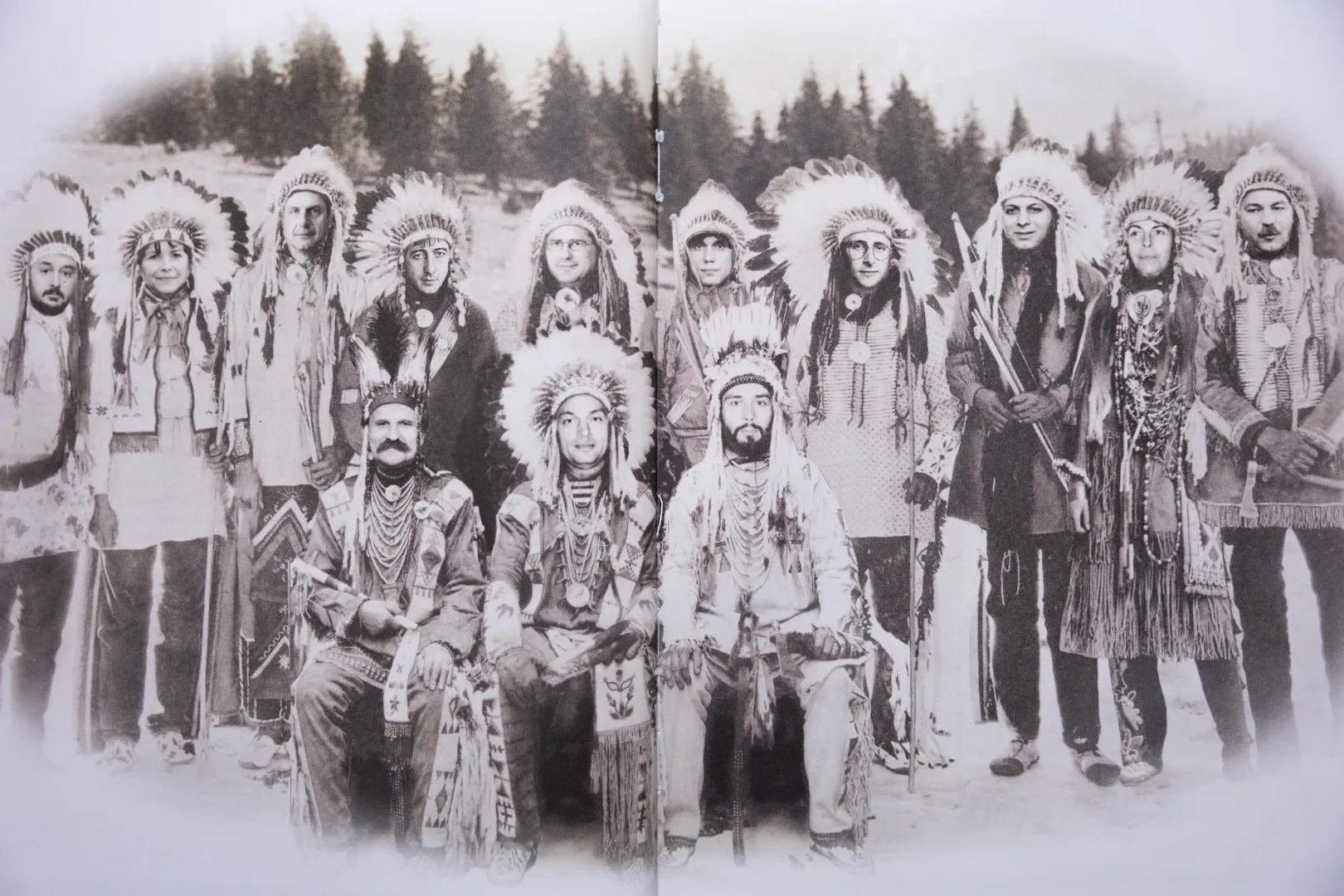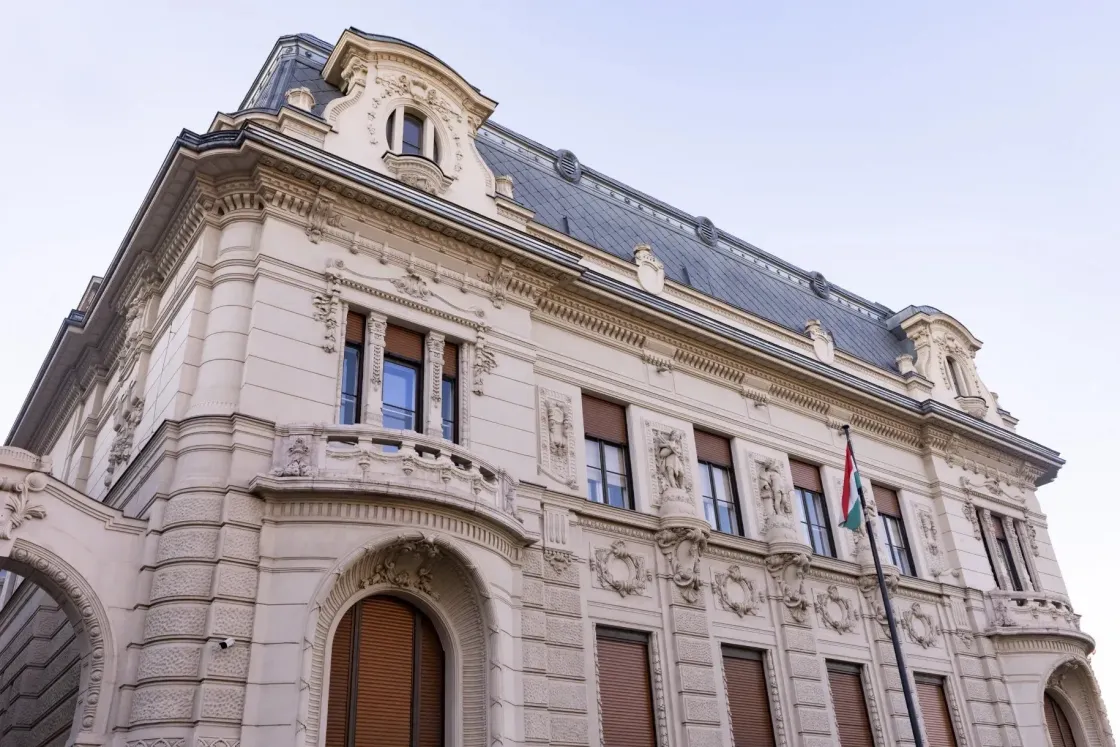



We were standing in front of the Fidesz headquarters on Lendvay Street with a group of pensioners, while MEP Tamás Deutsch explained what the carriage house of the aristocratic family that used to live here in the early 1990s used to look like and recounted in detail what the cobblestones on neighbouring Andrássy Avenue were like at the time.
One might rightly wonder how we ended up in this situation. It all started two weeks ago when Viktor Orbán gave an interview—or, as he called it, conducted a “room tour”—to the tabloid, Blikk, at Fidesz’s headquarters on Lendvay Street, where he had moved his office after the party's election defeat in April. Although Fidesz's headquarters in Budapest’s Terézváros may not be as symbolic a location as the former Carmelite monastery (known as Karmelita in Hungarian) in the castle district—which was opened to the general public in mid-May—it is an important building in the political history of the post-communist era, and has been just as inaccessible to ordinary people in recent years as the Karmelita. In fact, there were times when police even blocked off the whole street to prevent protesters from marching to the building.
In the interview, Orbán said that this is an open house and anyone can come in and look around. “Anyone who hasn’t been here yet is invited to come in and look around.” That was all it took. I wrote to Fidesz’s press secretary, Bertalan Havasi the very same day, telling him that we’d be happy to take him up on the invitation, and asked when Orbán would be able to give us a tour. To my surprise, a few hours later, another staff member of the former prime minister, Fanny Kaminski, wrote back. She explained that the Blikk “headquarters tour” had happened spontaneously and they didn’t plan to make a habit of it, but they would welcome Telex for a brief visit. She immediately pointed out that Orbán would not be the one showing us around the building, since he is not a tour guide but a party chairman. She suggested another Fidesz founder, MEP Tamás Deutsch, as our tour guide, and said he would be expecting us on Tuesday afternoon.
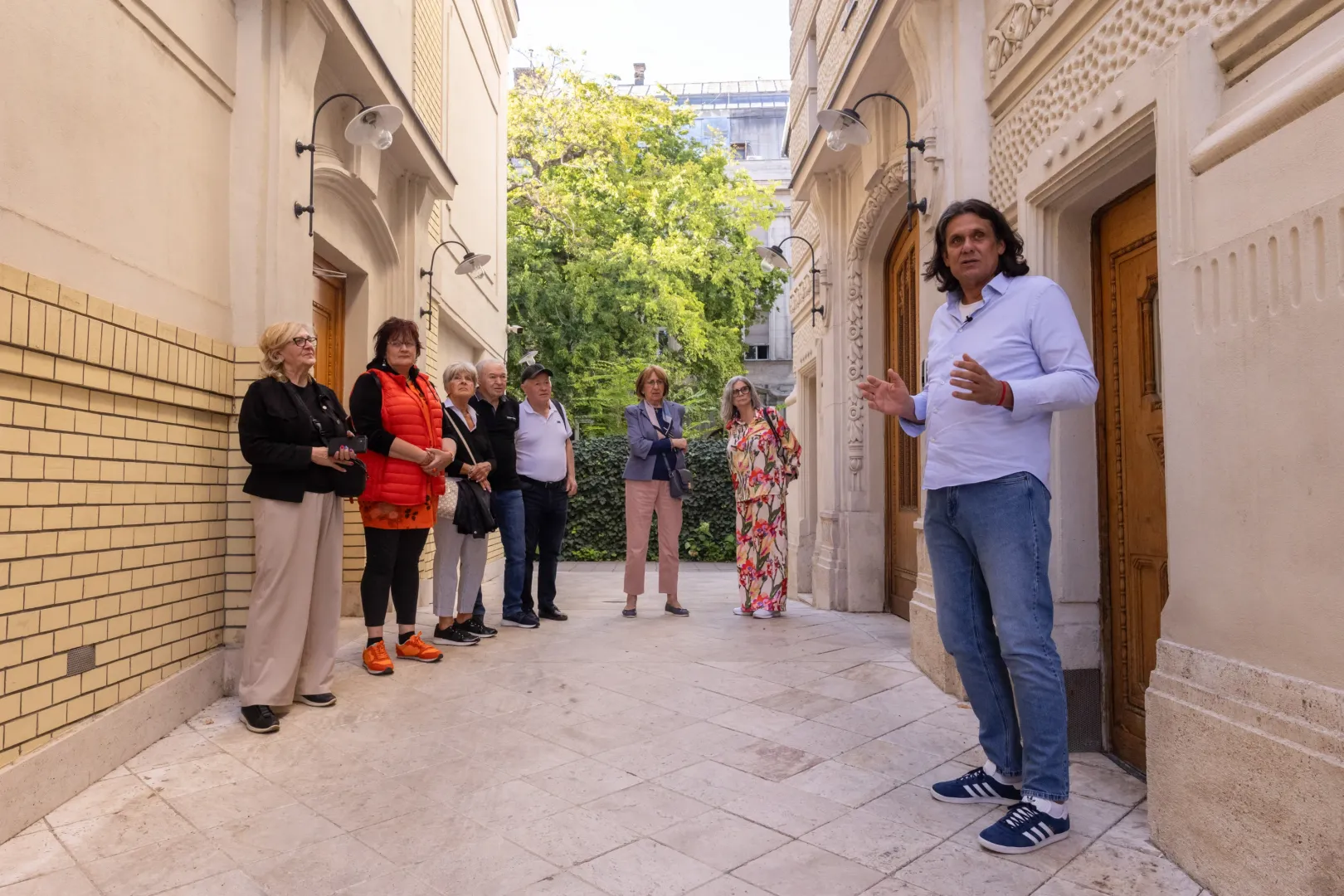
The second surprise came when we arrived and found out that we wouldn’t be alone—a group of pensioners from Fidesz's downtown chapter had also been invited. Apparently, they, too, had requested a tour of the headquarters. By the time I realized this, Deutsch had already launched into the nearly hour-long guided tour with such enthusiasm that it was almost impossible to get a word in edgewise.
He proudly recounted that after the 1990 election, he was the first of the Fidesz founders to walk through the gate on Lendvay Street—which has since been renovated—when “a stern-looking night watchman” showed them the “building, which was in worse-than-average condition ". The state-owned building was allocated to them after they had secured seats in parliament.
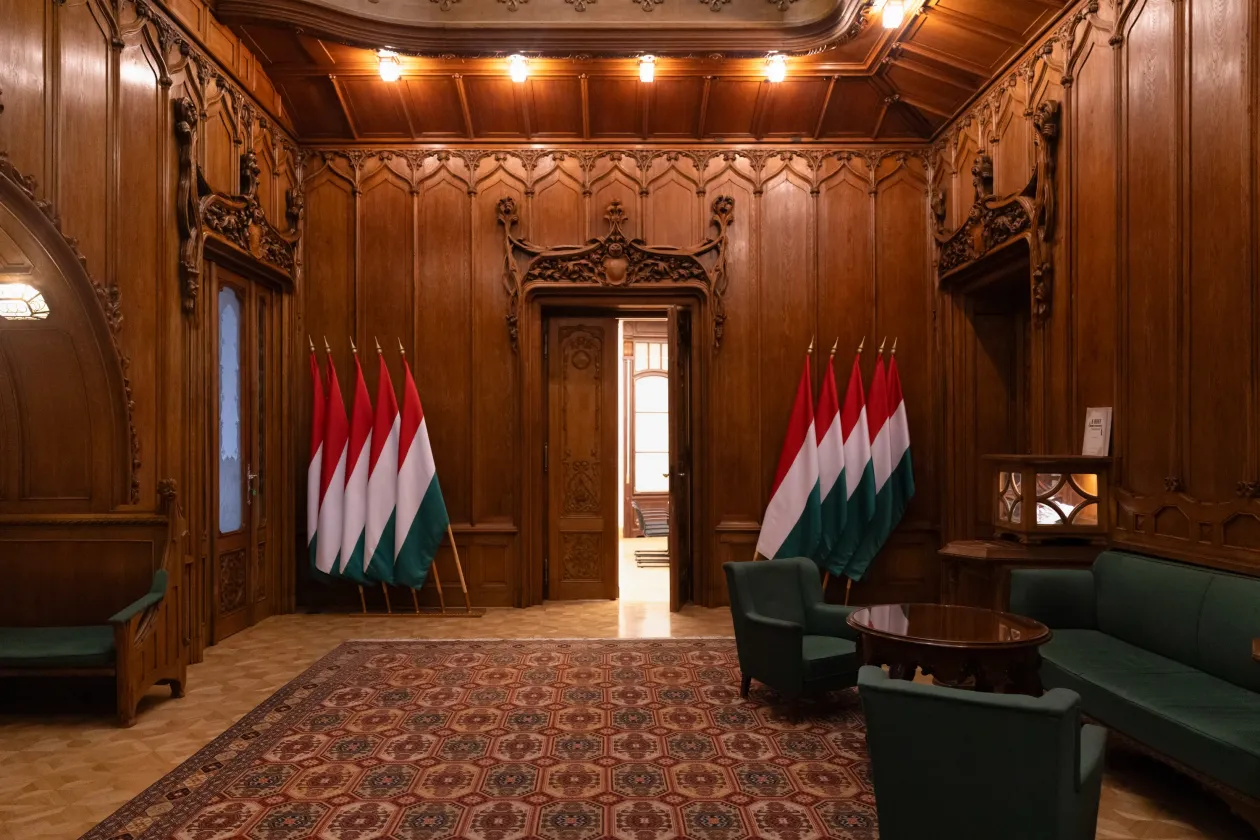
Prior to the regime change, the building, which had been completed in 1901 and which had previously been home to wealthy aristocratic families, was used by the State Office for Church Affairs. To this day, the building has retained its original features in many places, and Deutsch enthusiastically showed the group of eager pensioners the location of the former built-in trash chute, the elevator built in the early 20th century, as well as the location of the central dust-suction system. The walls are lined with mementos of the decades-long history of Fidesz: old election posters, the founding charter, and photographs from the 1990s adorn the hallways.
Instead of a party headquarters, the building felt much more like a museum—a place where visitors, wary of the stern attendant, dare not speak loudly and, like meticulous schoolchildren, aim to remember every tiny detail. It was as if Fidesz, too, had become stuck in history. There were far more reminders of the early 1990s around the place than anything that might suggest how the party operates nowadays.
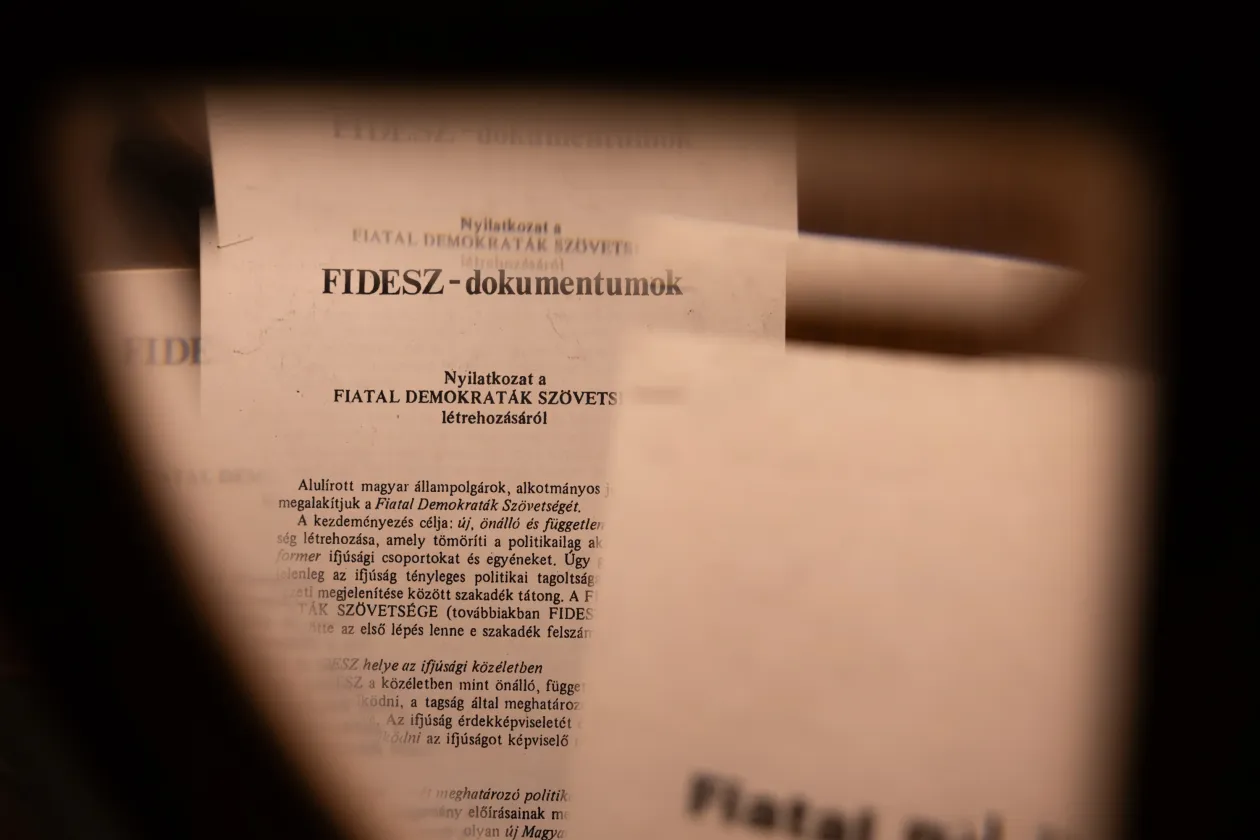
The building on the corner of Lendvay and Dózsa György Streets has been owned by Fidesz for more than 36 years. After the 1990 elections, every party that entered parliament received a headquarters building free of charge; this later became Fidesz’s first corruption scandal—the so-called “headquarters scandal”—which Deutsch still considers a politically motivated smear campaign by the SZDSZ and the MSZP.
In addition to the headquarters on Lendvay Street, they were also given ownership of another building, which they had to share with the Hungarian Democratic Forum (MDF), the ruling party at the time. They tried to sell their part quickly, and in the meantime amended the law on political parties along with the parliamentary majority so that political parties would be exempt from VAT and corporate income tax when selling real estate. This amendment meant that more money remained with the MDF and Fidesz, which Lajos Simicska, Fidesz's former financial backer, turned over in the following years, thereby building the party’s wealth.
According to Deutsch, the entire headquarters scandal was about nothing more than the SZDSZ—which had started out as an anti-communist party—joining forces with the communist successor party, the MSZP, in order to push Fidesz to the right after Fidesz had sought to remain outside the Democratic Charter. In his view, this is why his party was accused of “flirting with the evil, vile, and terrible MDF–KDNP–Independent Smallholders’ Party and the Antall–Boross governments,” even though they had committed nothing illegal.
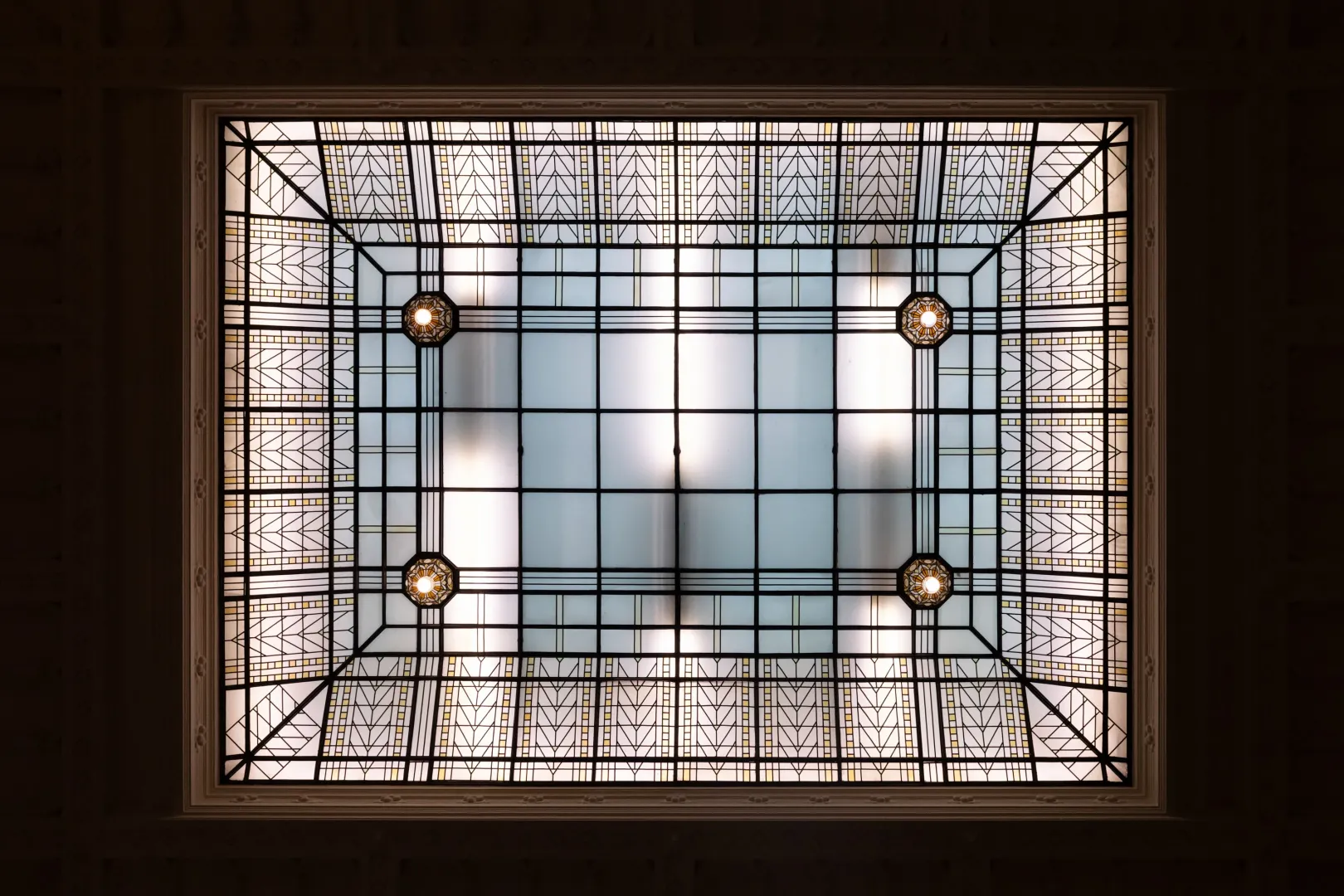
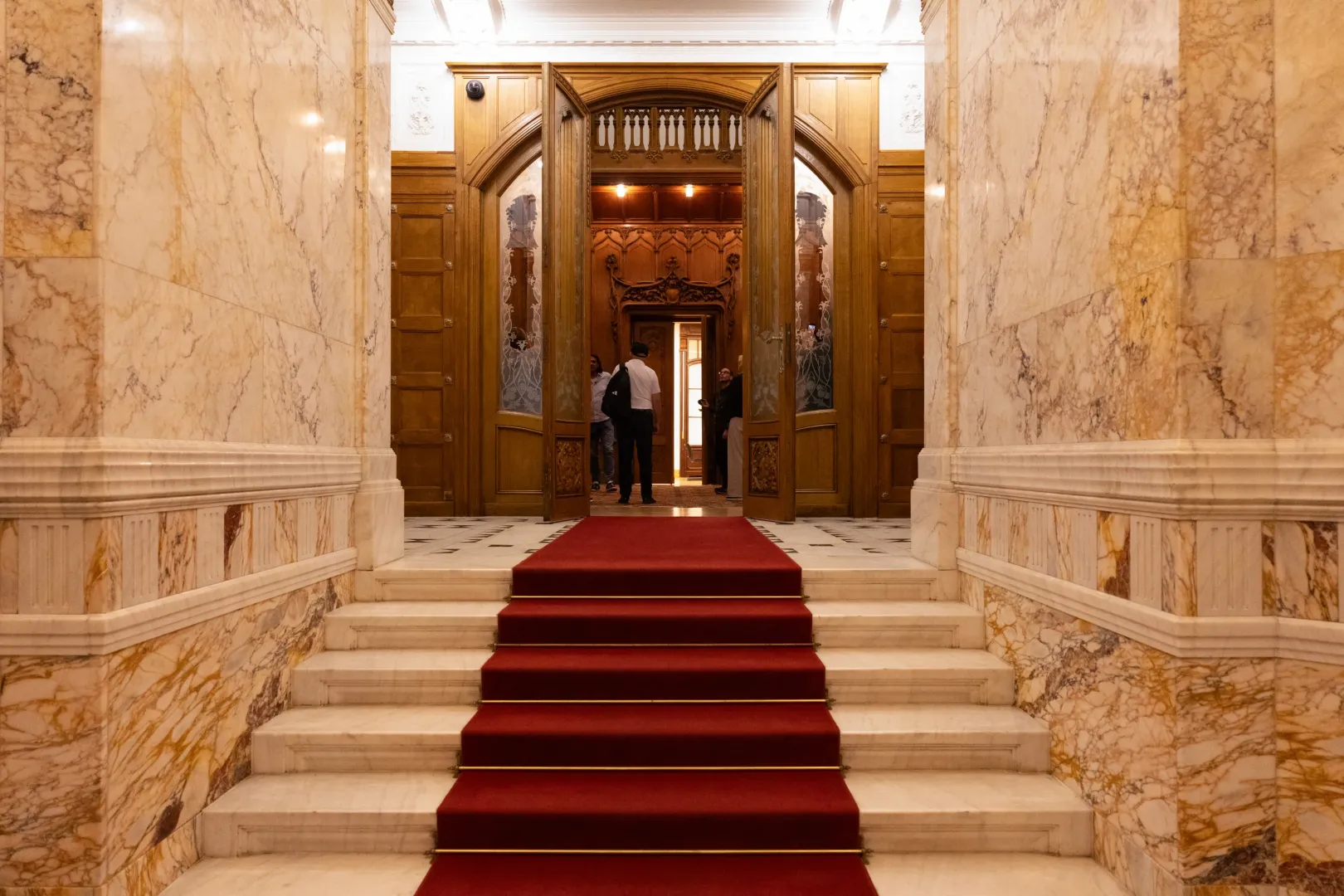
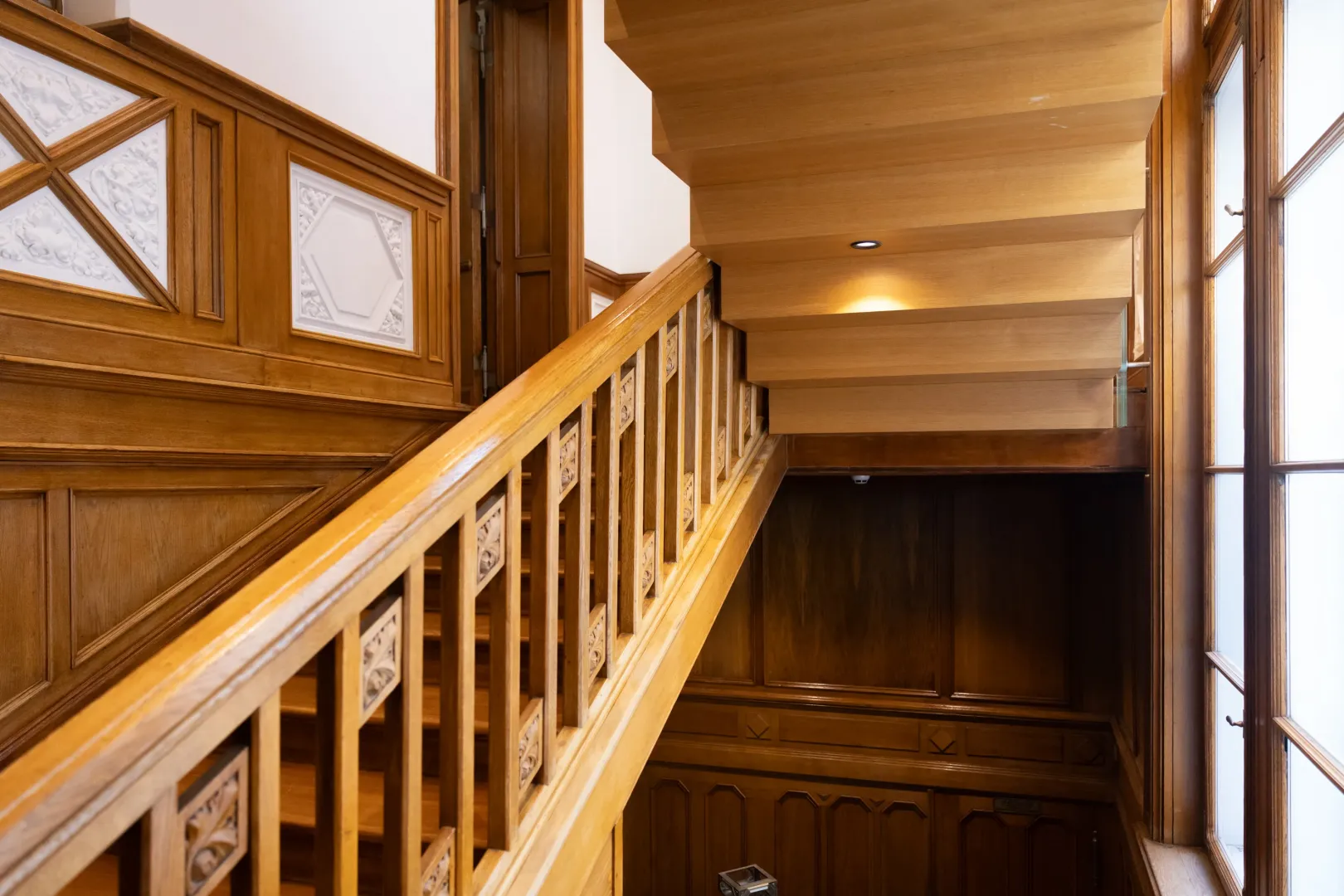
“To be honest, I really love this building. We have been and continue to be its caring owners,” Deutsch said of the headquarters, which was renovated inside and out a few years ago. With its ornate wood paneling, marble walls, and glass roof, along with the staircase, the grand entrance hall has served as a location for dozens of Hungarian and foreign films before, and Fidesz has also held the party's birthday celebrations here. The offices are located on the two upper floors, which one cannot simply sneak into. The staircase is so creaky that when someone starts walking on it, the sound can be heard from far away. Our group got to test this later too.
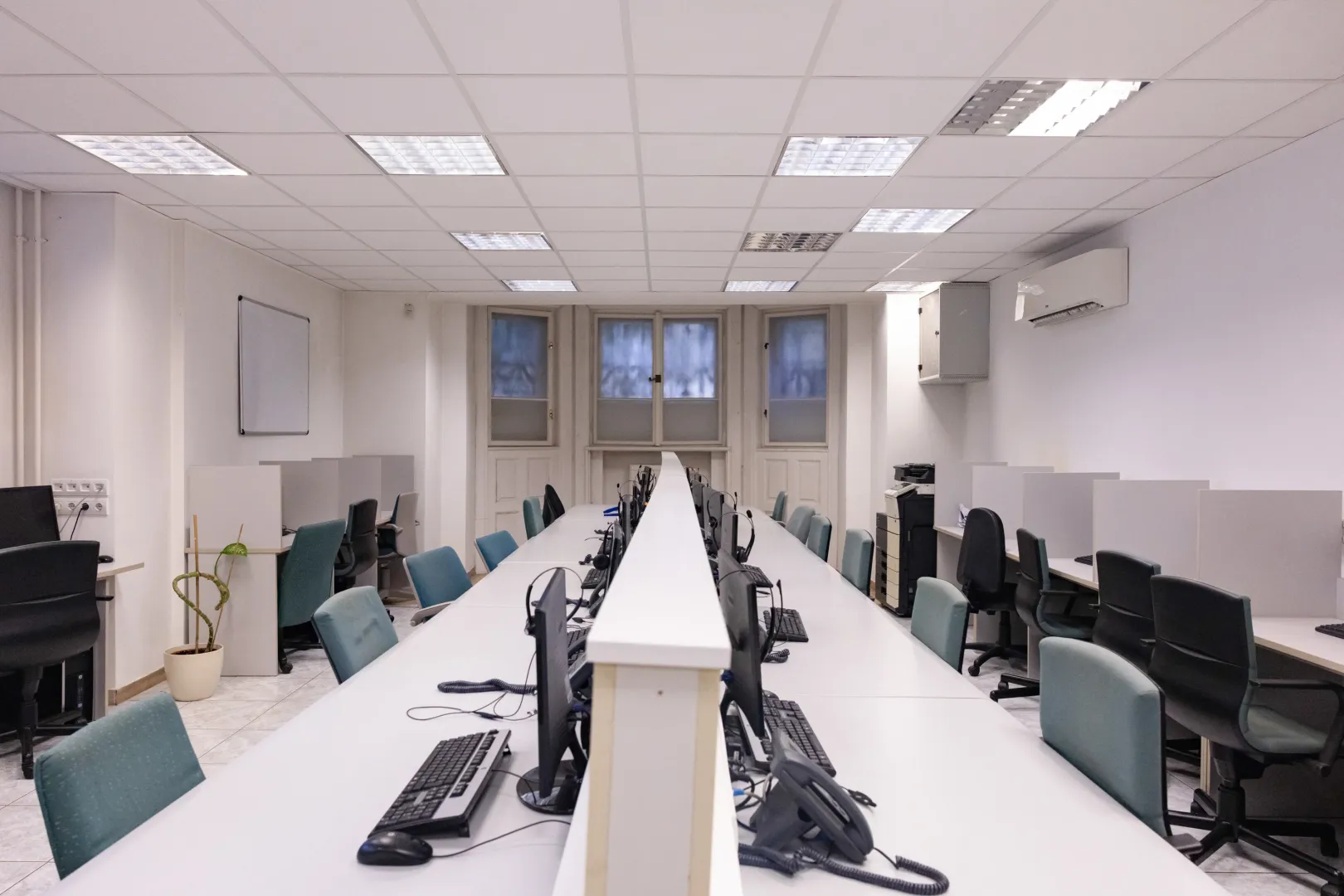
Before that, however, Deutsch took us down to the basement, where he immediately became nostalgic when he saw the door to his former office, where he had worked as Fidesz’s deputy campaign manager in the 1990s.
The hallway was lined with old Fidesz posters, conspicuously missing any mention of Soros, Gyurcsány, or migrants. At the end, it opened up into a larger room, which had been converted into a call center when the building was renovated. Finally! We must have arrived at the hidden, important hub of Fidesz’s campaigns, I thought. But Deutsch quickly clarified that this call center is used less frequently these days, mostly only during by-elections. In recent years, Fidesz has used many more call centers similar to this one throughout the country for mobilizing their voters on election day.
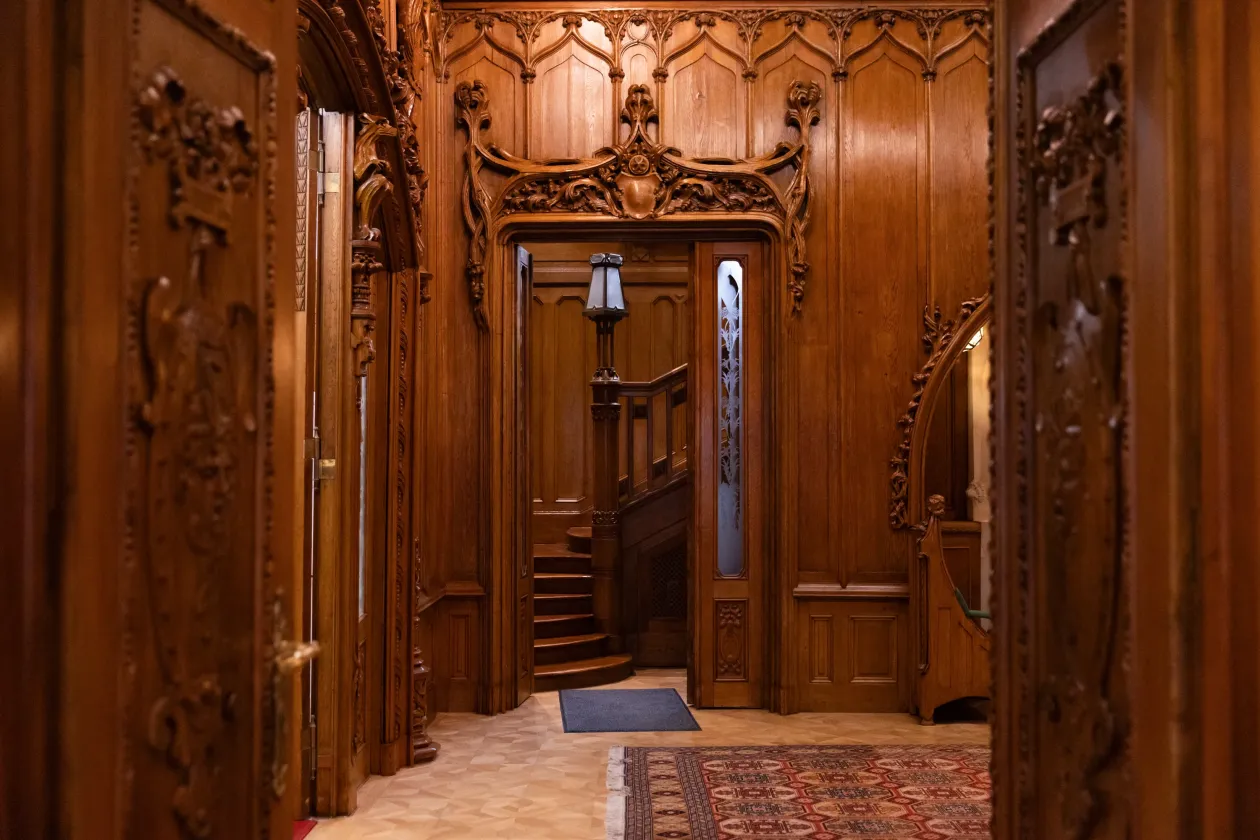
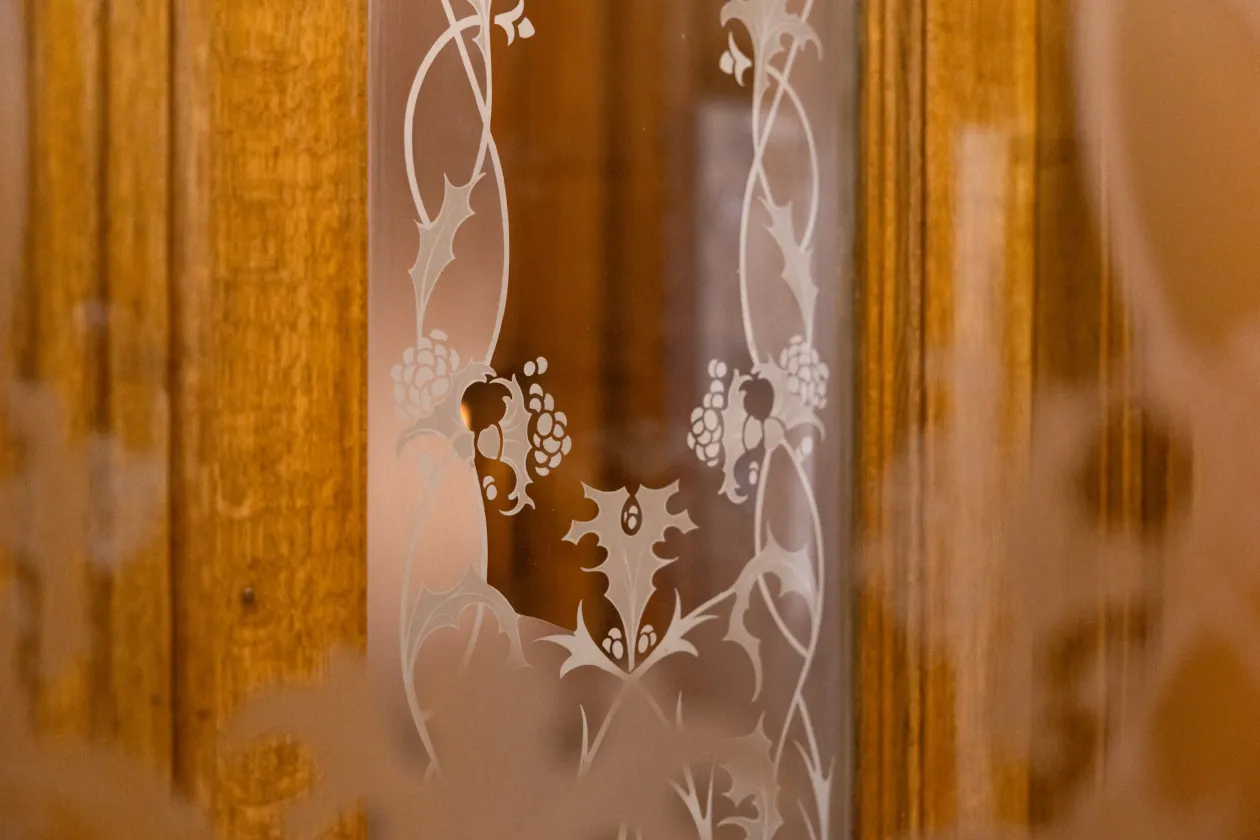
After a few steps up the stairs we were back in the 20th century, and the Fidesz politician shared an anecdote. Before the first renovation, visitors arriving at the entrance first saw a large reception booth of the State Office for Church Affairs, and one couldn't just walk in. Sometime in the 1990s, former U.S. Secretary of State Henry Kissinger came to visit Viktor Orbán, but the story goes that the doorman wouldn’t let him in because he didn’t speak English, and Kissinger’s name was written on his ID with two “s”s, in accordance with English spelling. The American politician was thus forced to return to his hotel without being admitted. Once there, he called Orbán, who then rushed over to meet him so they could still talk before Kissinger left Budapest.
After Fidesz lost the 2002 election and found itself in opposition again, they needed a bigger building to run the party, so they moved to an office building on Szentkirályi Street. They only returned to the increasingly dilapidated building on Lendvay Street in 2011. Five years later, Market Zrt., the company owned by Orbán’s close friend István Garancsi renovated the building inside and out. The reconstruction cost a total of 460 million forints.
During the renovation, they did their best to restore the ground floor in a style consistent with the building’s original design, and they also preserved the ornate glass roof of the great hall. Looking from the inside, it seems like that is the top of the building, but in fact, an extra floor was added on top, where they created modern offices. This shift in eras is also indicated by the staircase; instead of the ornate wooden staircase, the one here is much simpler and less attractive.
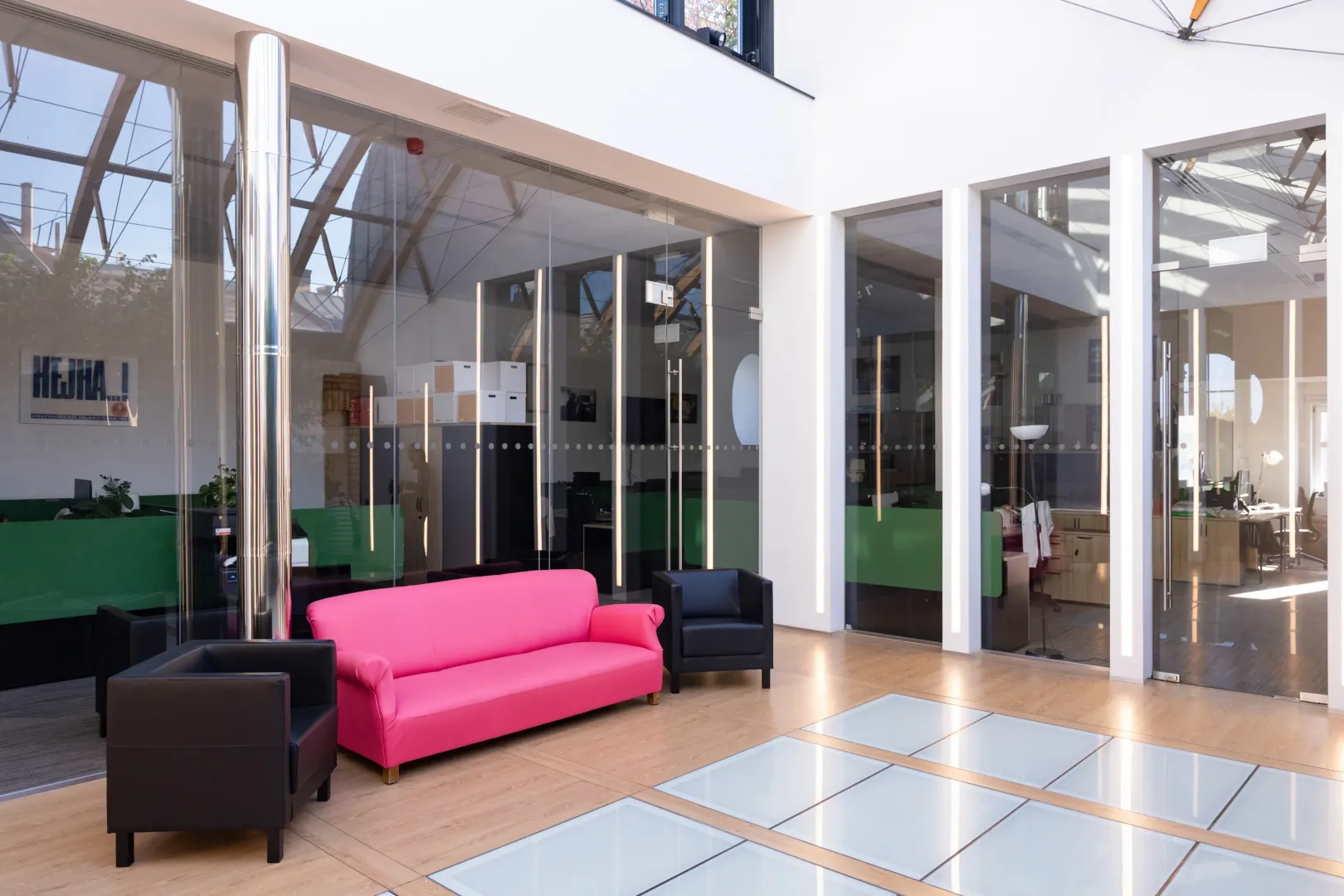
On the upper level, we were greeted by completely empty, modern offices; this is where the party’s digital team works these days. Those who are curious about what they’ve been up to lately can click here. Unfortunately, we did not learn any behind-the-scenes secrets about how Fidesz operates on this level; except for Deutsch telling us-while standing on the glass floor-that he doesn’t have a fear of heights, but rather a fear of depths, and that he’s very happy that they designed the translucent floor so that you can’t see through it- which is not the case with glass observation decks in canyons. However, our tour guide failed to point out that the bright pink couch in the office lobby might look familiar to many people. It was on this couch that Orbán had been photographed with his grandchildren a few years ago. This photo used to be available on the former prime minister’s website, which has since been deactivated.
Unfortunately, there was no third surprise; Orbán’s office was also empty when we arrived. As it turned out later, he was still in Belfast at the time, where, in addition to attending a soccer match of the Hungarian national team against Northern Ireland, he posed for photos at an anti-abortion rally. We didn’t meet Antal Rogán either, whom Bálint Szabó had filmed in front of the building just a few hours before our arrival, nor was Orbán’s personal secretary, János Nagy there.
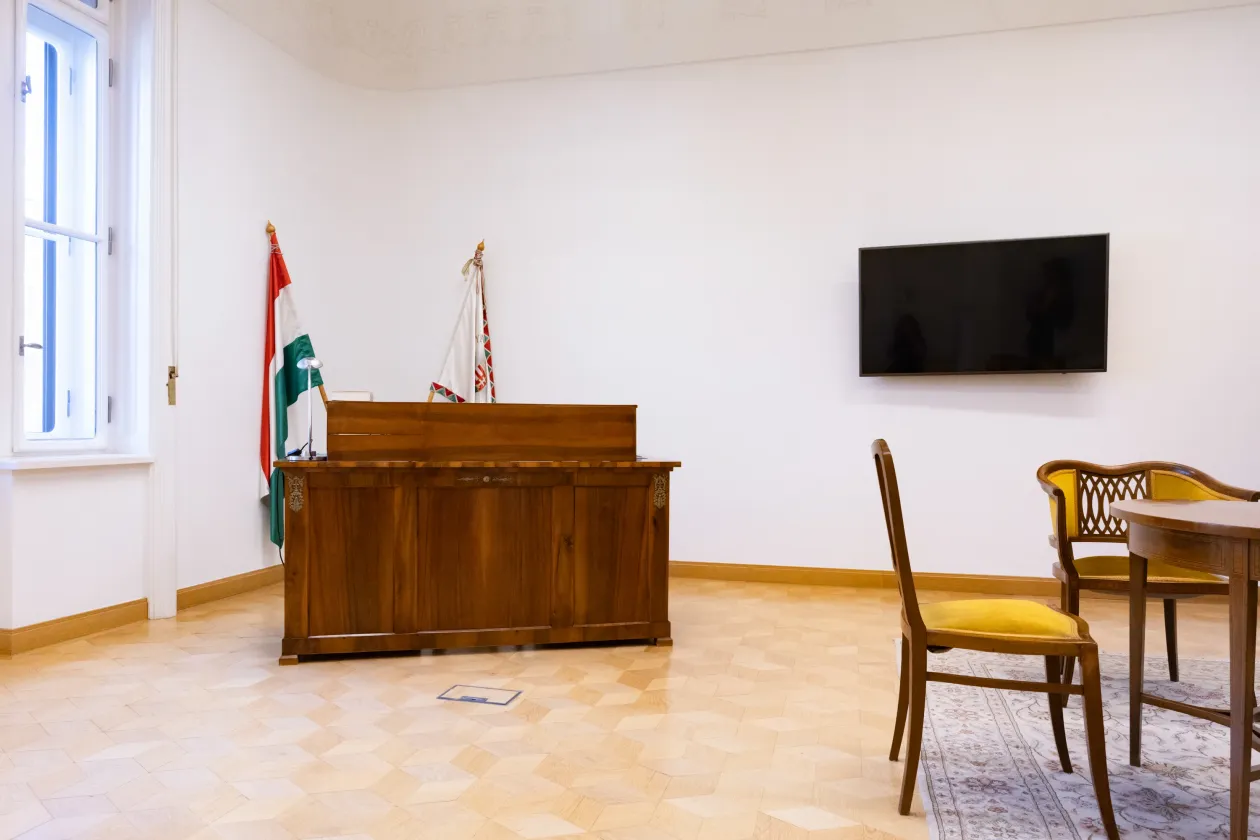
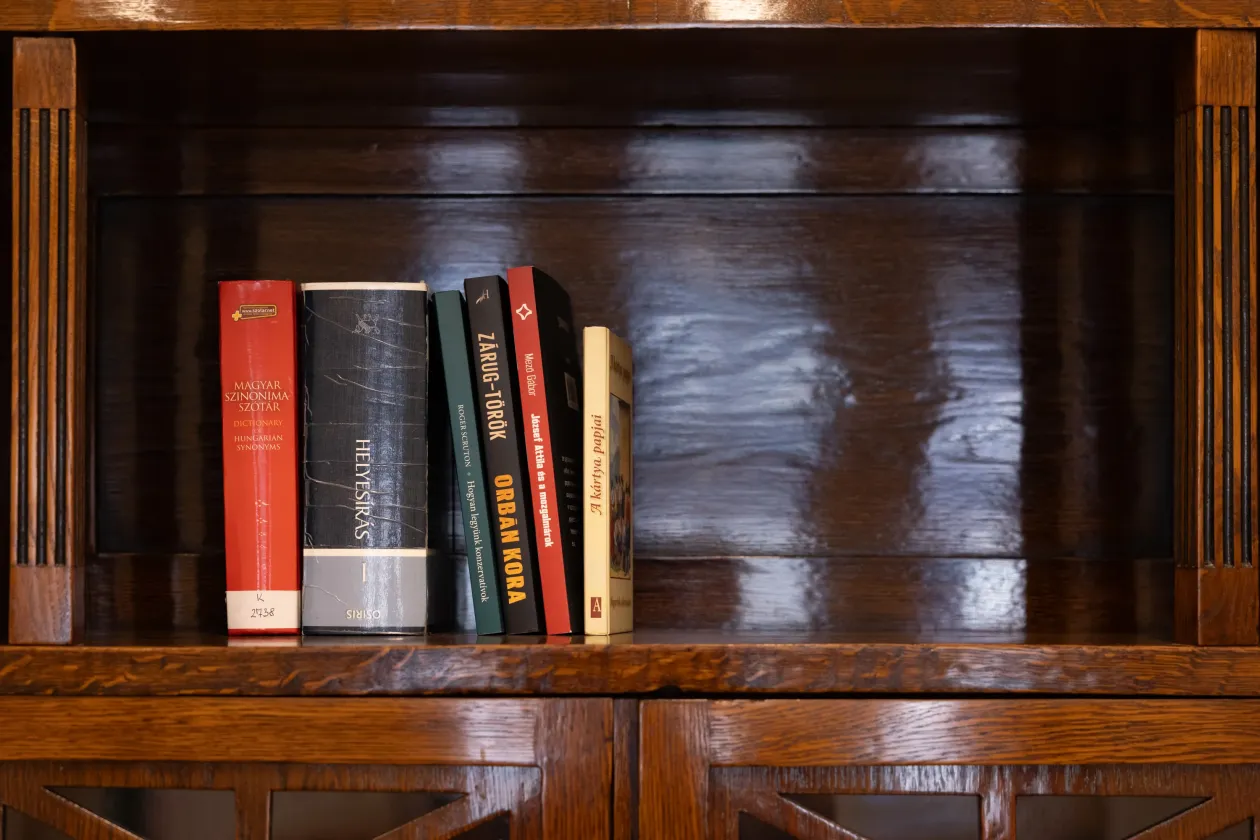
Orbán's office is just as spartan and empty as the one at Karmelita was. A desk, a TV, a few chairs, and a bookcase with a handful of books. Between the spelling guide and a book about card games, we also spotted a brand-new volume: Péter Farkas Zárug and Gábor Török’s book The Age of Orbán, published this year. Before leaving to cheer on the national team in Northern Ireland, the party chairman left no paper, no computer, nor any document or personal item on his desk that would suggest that he usually works here. Nevertheless, by his own admission, he works 12 hours a day—a fact confirmed by Deutsch, who described his boss as practically a workaholic.
He also recounted that in the early 1990s, before Orbán was elected chairman in 1993, Fidesz used to hold its executive meetings here. This office later belonged to the party office manager, and for the past decade and a half, it has been occupied by campaign manager András Gyürk. Orbán moved back in after this year’s elections, bringing very little with him from his former office in the castle district. “And this is my new workplace,” he told his videographer on May 8 as he stepped out of the building and hurried off to give an interview to the rapper, Dopeman.
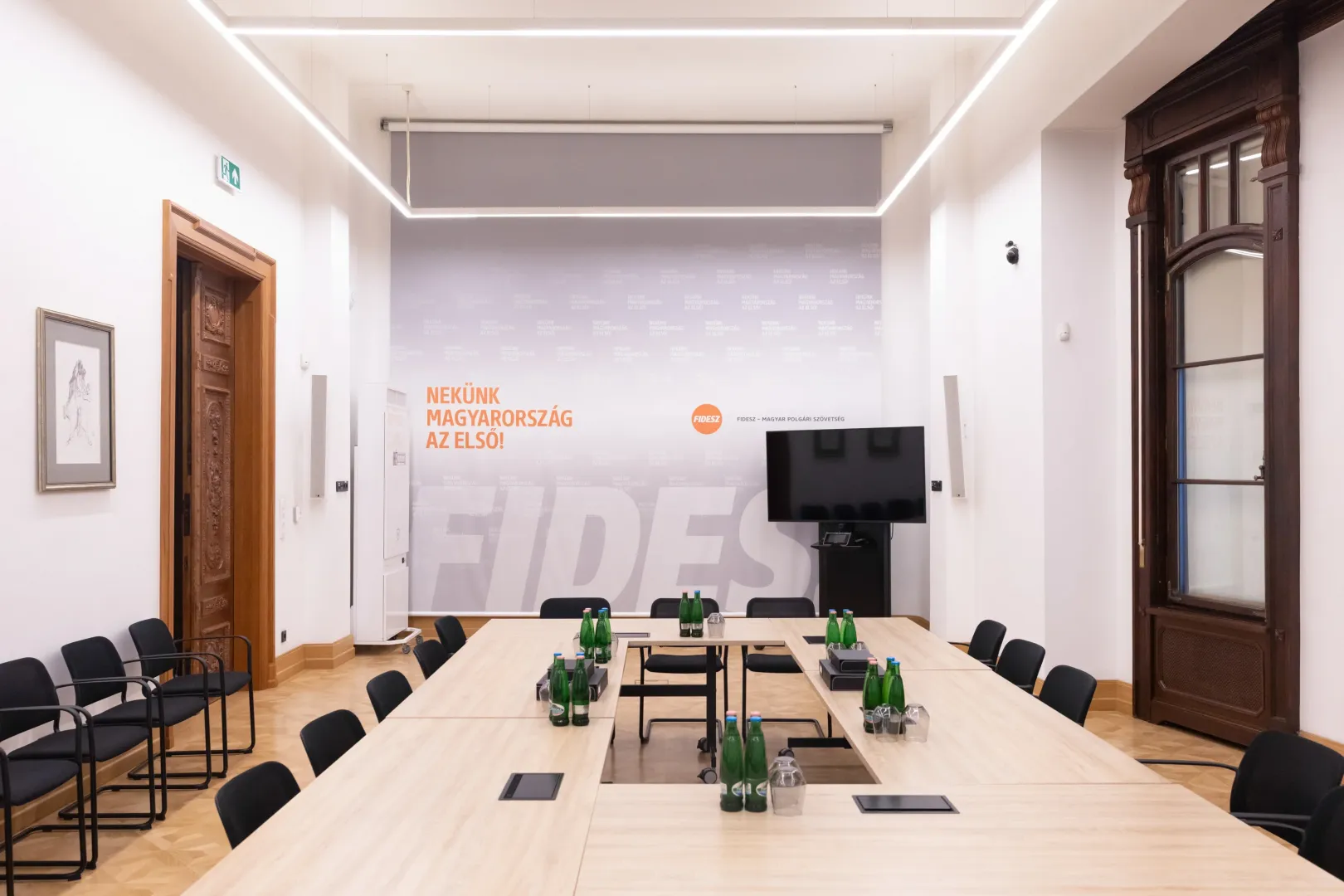
From the first floor we returned to the ground floor, where two larger rooms remained to be seen on the tour. One is a conference room where press conferences can also be held. Although this room is here, in July, after the prosecutor’s office seized the party’s servers as part of its investigation into the NKA case, Viktor Orbán and János Bóka did not speak here but in front of the building.
“Every match lasts until we win!” So goes one of Orbán’s rules, which has also been posted on the wall at Fidesz’s headquarters. A minor scandal erupted three years ago when someone posted Orbán’s seven laws on the wall of a newly renovated school in Csepel. That inscription was later removed and moved to a wrestling academy run by Szilárd Németh, a close associate of Orbán. This is a much more subdued, scaled-down version of it.
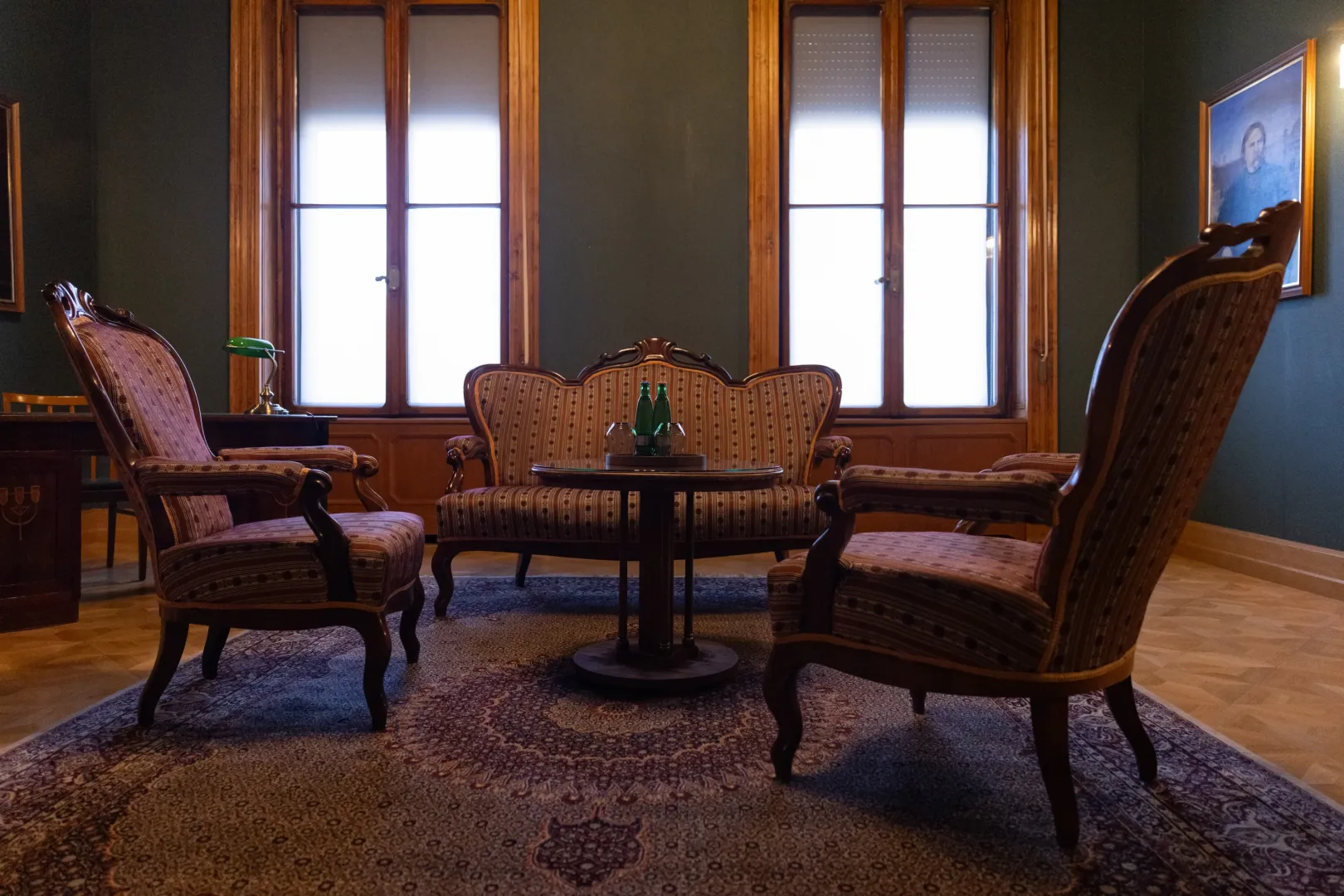
The Deák Room opens from here; it takes its name from the set of furniture inside. As Deutsch explained, the party received this furniture sometime in the late 1990s from a supporter who claimed it had once belonged to Ferenc Deák. At first, they just brushed it off, but it later turned out that the elderly man was right. “Orbán doesn’t like it, but I don’t have a problem with it. I agree with him that it’s incredibly uncomfortable. Anyone who sits down here with weak abdominal muscles will have a very hard time getting back up,” Deutsch added, sharing more behind-the-scenes secrets. On the walls covered with green wallpaper hang two paintings of Deák and two of Vörösmarty. I didn’t quite understand why there were two of each. We were told that the party received these as gifts as well.
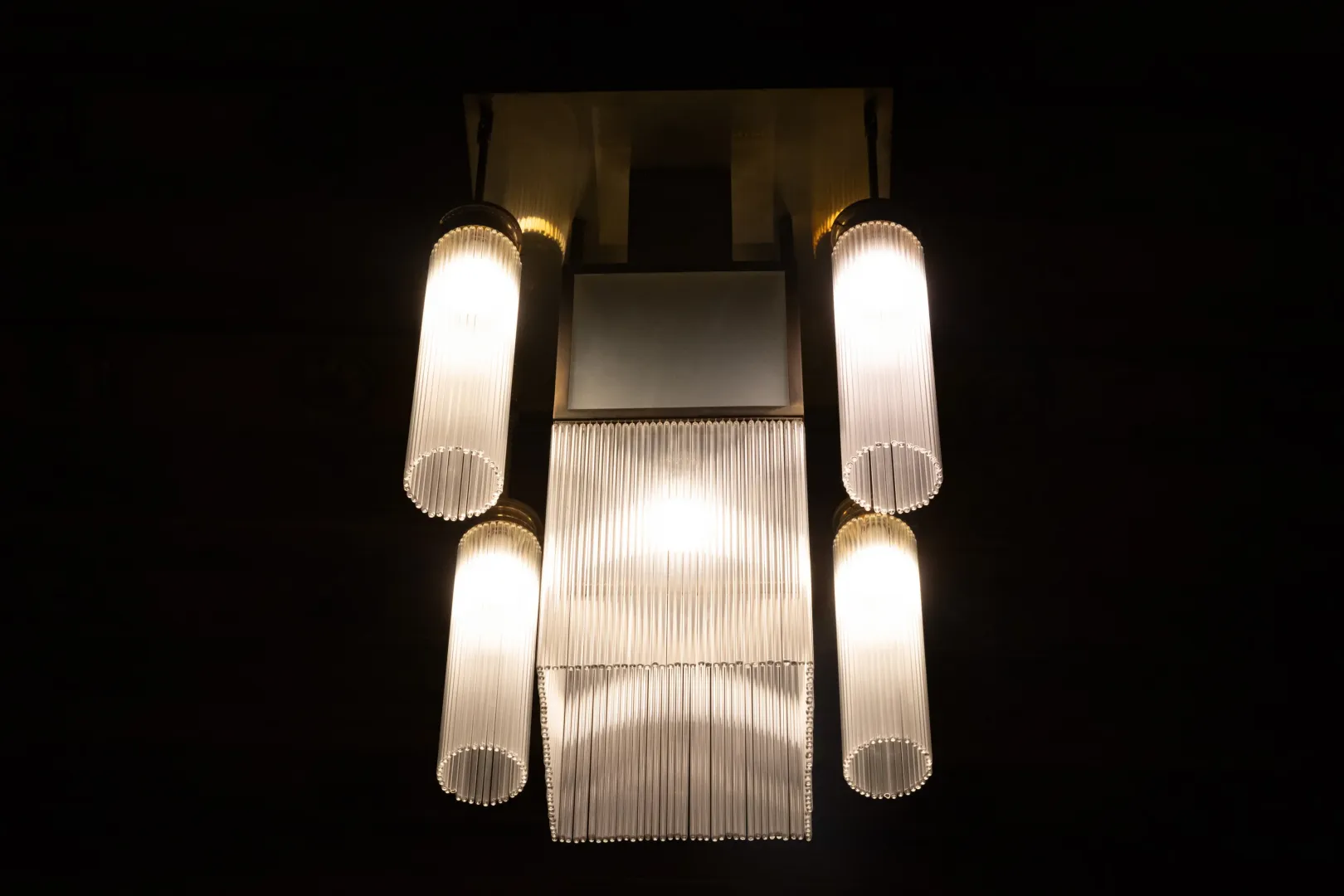
We’ve reached the final stop on our tour of the building: the large conference room, often called the crown jewel of the building, where—truly—everything is made of wood. This is where the party’s executive committee holds its monthly meetings; since the June congress, the committee has expanded to 28 members. Orbán, the four elected vice presidents, the chair of the electoral council, the parliamentary caucus leader, the head of the EP delegation, as well as the chairs of the 19 counties and Budapest all sit around the massive wooden table. There aren’t enough seats for them all in the ornate hall, so on such occasions they have to bring in extra chairs from the adjacent room. The party’s day-to-day operations are managed by the Executive Board which meets weekly and consists of Orbán, Kinga Gál, János Bóka, Alpár Gyopáros, Bálint Kreicsi, László Kövér, and Tamás Deutsch.
There is a marble fireplace built into the wall, which, according to Deutsch, is still used to heat the room on very cold days. He also explained why the entire building is covered with wood paneling from floor to ceiling. In 1905, the building was purchased by the extremely wealthy Groedel family. They were timber merchants who, according to an article by 24.hu, owed their huge fortune primarily to logging operations in what was then Northern Hungary (today’s Slovakia) and Poland. Their biggest client was the Hungarian State Railway Company, which purchased beams for railroad tracks from them.
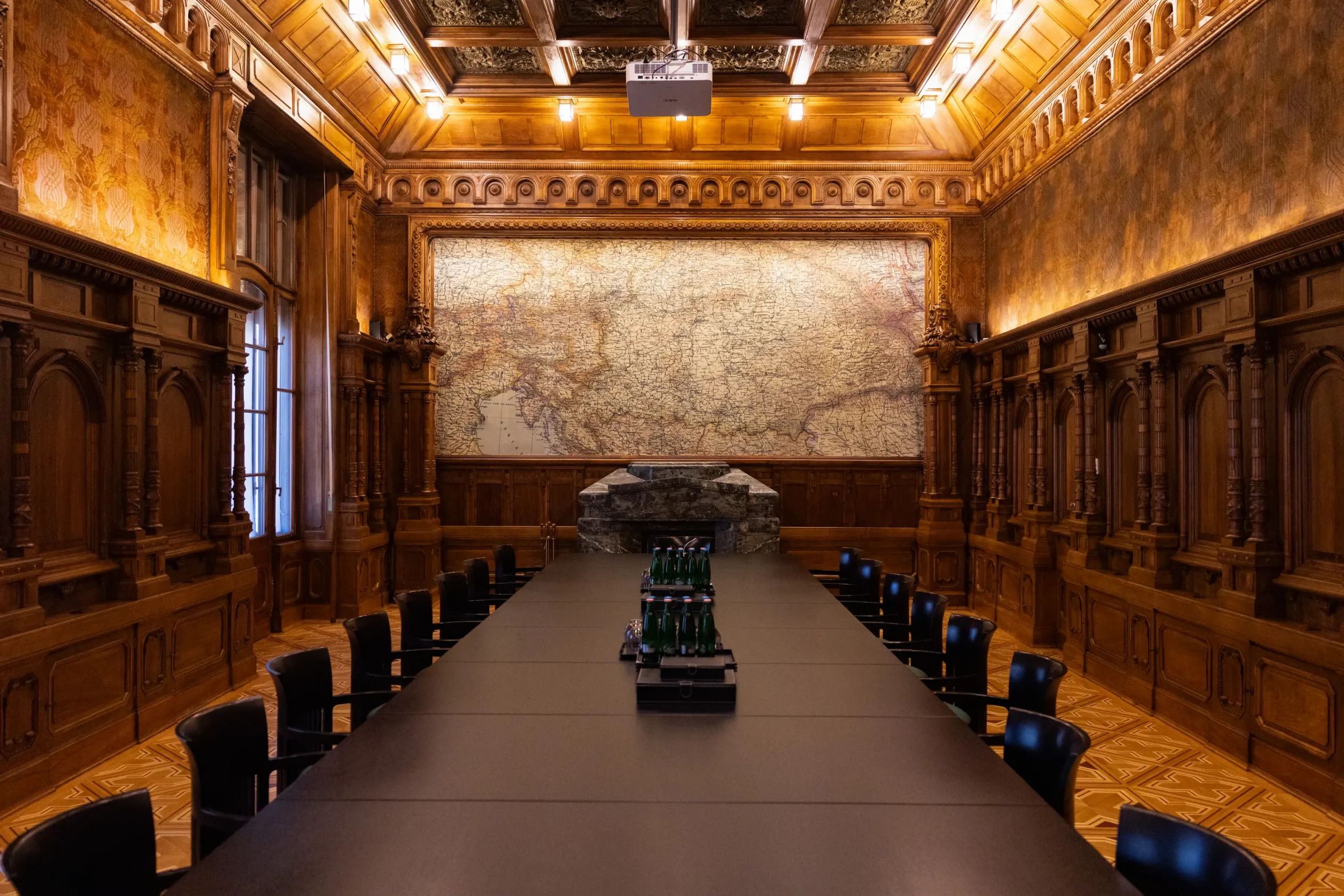
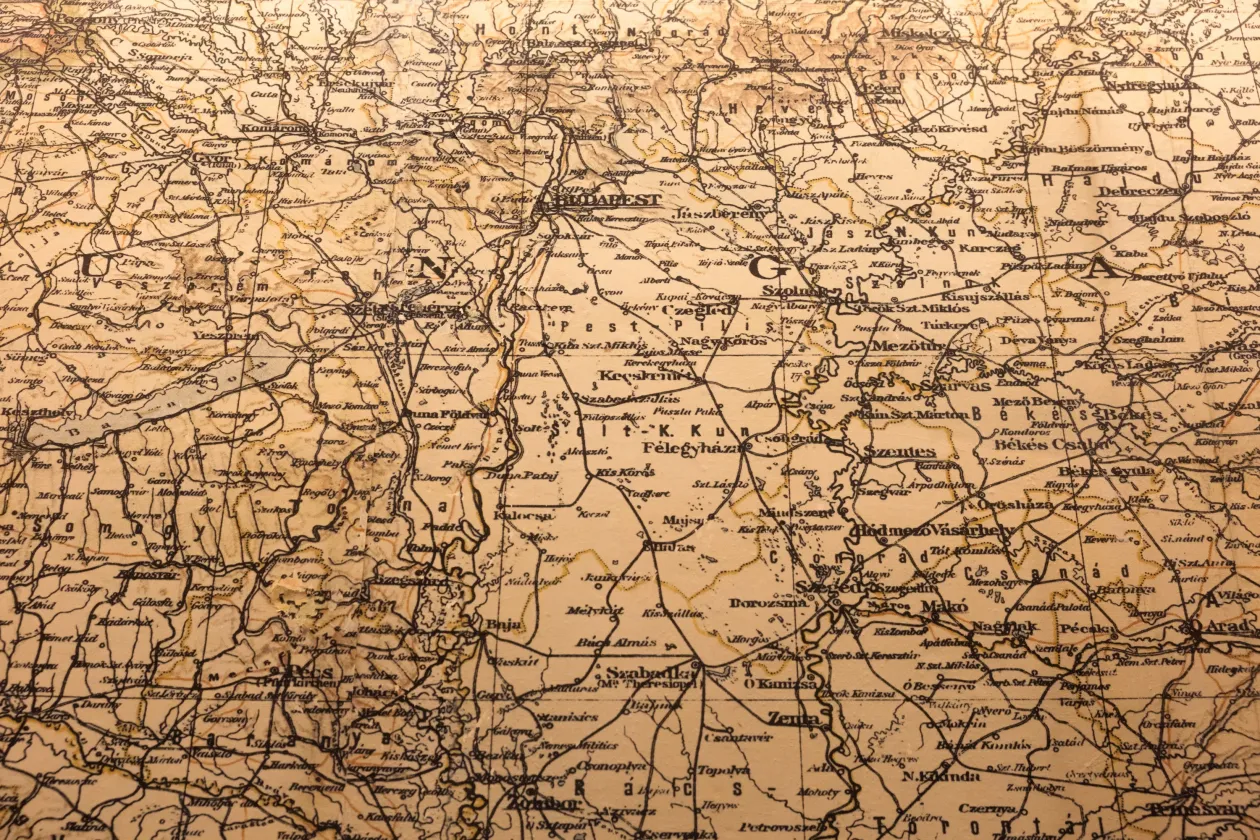
This was also Deutsch’s explanation for the room-sized map on the wall in here, which dominates the entire space. The original railway map of Hungary from the 1900s was only unearthed a few years ago. According to Deutsch, “there used to be a wall decoration—the kind you could buy at Centrum Department Store—on the wall,” but when workers removed it during the building’s renovation, they found a thick layer of paper underneath, and behind it lay the map, completely untouched and undamaged.
Seven years ago, the map sparked a minor diplomatic row when a photo of a meeting of the party's leadership was posted on Orbán’s Facebook page, with this “Greater Hungary” map visible in the background. The Croatian Prime Minister sent an indignant message to the Hungarian government, stating that “Croatia’s borders remain where they are.” According to Deutsch, reading more into this is sheer nonsense. “Anyone who wants to attribute any political meaning to this is on the wrong track,” he said, explaining that the map was part of the historic building.
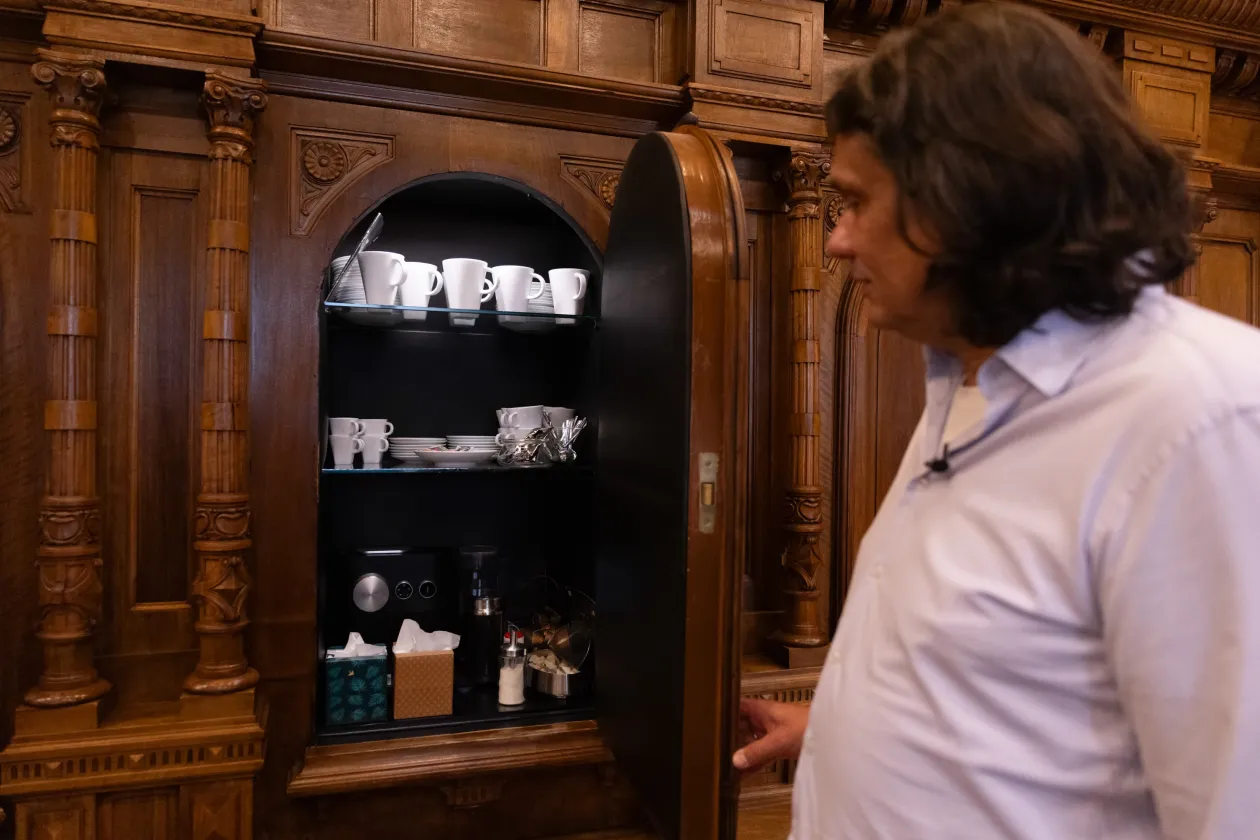
There’s also a secret cupboard in the wall of the room, but instead of Fidesz’s plan for winning the elections, forged in Croatia, it contains a coffee maker and coffee cups hidden behind the wall. According to Deutsch, the new members of the executive committee can be recognized because they’re usually trying to find the door on the wall. The experienced ones simply open the cupboard, which also contains handkerchiefs for meetings with a more tense or somber atmosphere. Deutsch was surprisingly optimistic when, after the guided tour, I asked him about Fidesz’s current situation in light of the NKA scandal. In his view, despite the scale of its defeat, Fidesz is in good shape organizationally; all the conditions necessary for renewal are in place, and he considers it realistic for them to win the 2029 European Parliament elections.
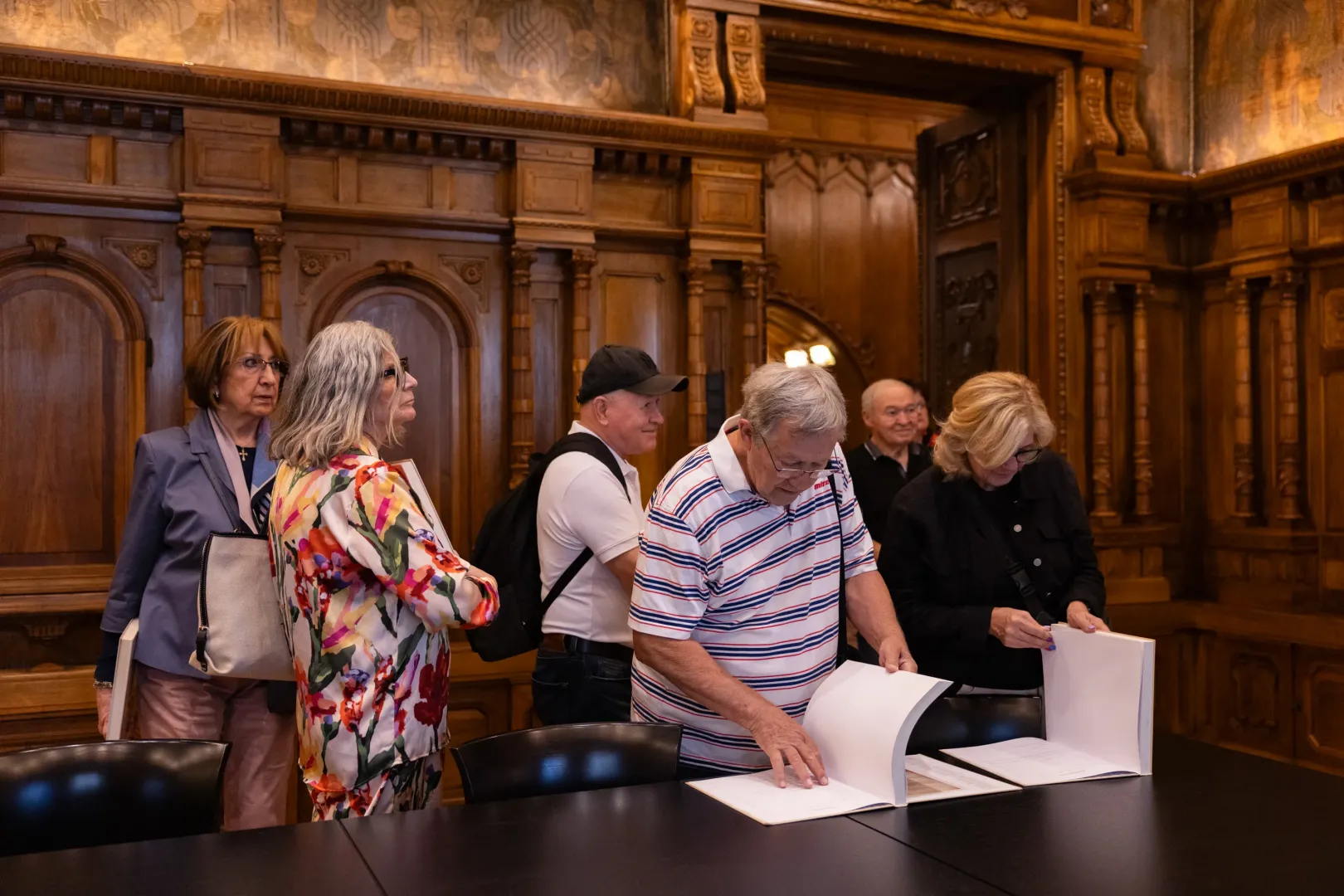
There is no denying that the building itself has a rich history, and the renovation was exceptionally well done, but the question remains: why does Fidesz need a headquarters where most of the space is unusable and unsuitable for offices, and which is completely stuck in the past? Even though the party will have far fewer resources in opposition, according to Deutsch, the idea of selling the building has not been on the table, even though they could get a lot of money for it. The Fidesz politician understands that maintenance isn’t expensive either, since the building also underwent mechanical renovations a few years ago. “One stretches as far as their blanket will reach. And we can comfortably stretch far. Besides, this is our headquarters; this is our home,” the Fidesz MEP said, cutting the discussion short—and then came a surprise at the very end. Everyone was handed a copy of Zsolt Bayer’s 2006 book on the party’s history as a gift; on the first page, for some reason, the founders of Fidesz had been depicted-somewhat embarrassingly- as American Indians.