A tour inside the emblematic office buildings of the Orbán administration



As one enters the Karmelita, they are greeted by a peculiar atmosphere. It was in January 2019 that Viktor Orbán realized his old dream of moving the Prime Minister’s Office to the former Carmelite Monastery (i.e. Karmelita kolostor, which consequently became known simply as Karmelita) in Buda's castle district. Over the past few years, the Karmelita has become the source of countless memes and has seen its share of TV celebrities and even exorcists come and go. Having become Viktor Orbán’s headquarters, the building was also a common target of anti-government protests: yet perhaps even a few weeks ago, no one would have imagined that an ordinary person would one day be able to walk right in.
To be sure, it is not unheard of in Europe to see the headquarters of a long-reigning, pro-Russian leader reclaimed by the people after a change of government. In neighboring Ukraine, for example, at least two billion dollars were spent within just a few years on the residence where Viktor Yanukovych—who maintained good relations with Viktor Orbán—once lived during his time as prime minister and then as president. After Yanukovych was ousted, the building featuring a crocodile’s dried skin and a boxing ring was turned into a museum of corruption. There has been no precedent for such a tour in Hungary, especially not during the 16 years of the Orbán regime. Then came the government change, and the new government set up a registration system through which three previously off-limits government buildings suddenly opened their doors to Hungarians eager to visit.
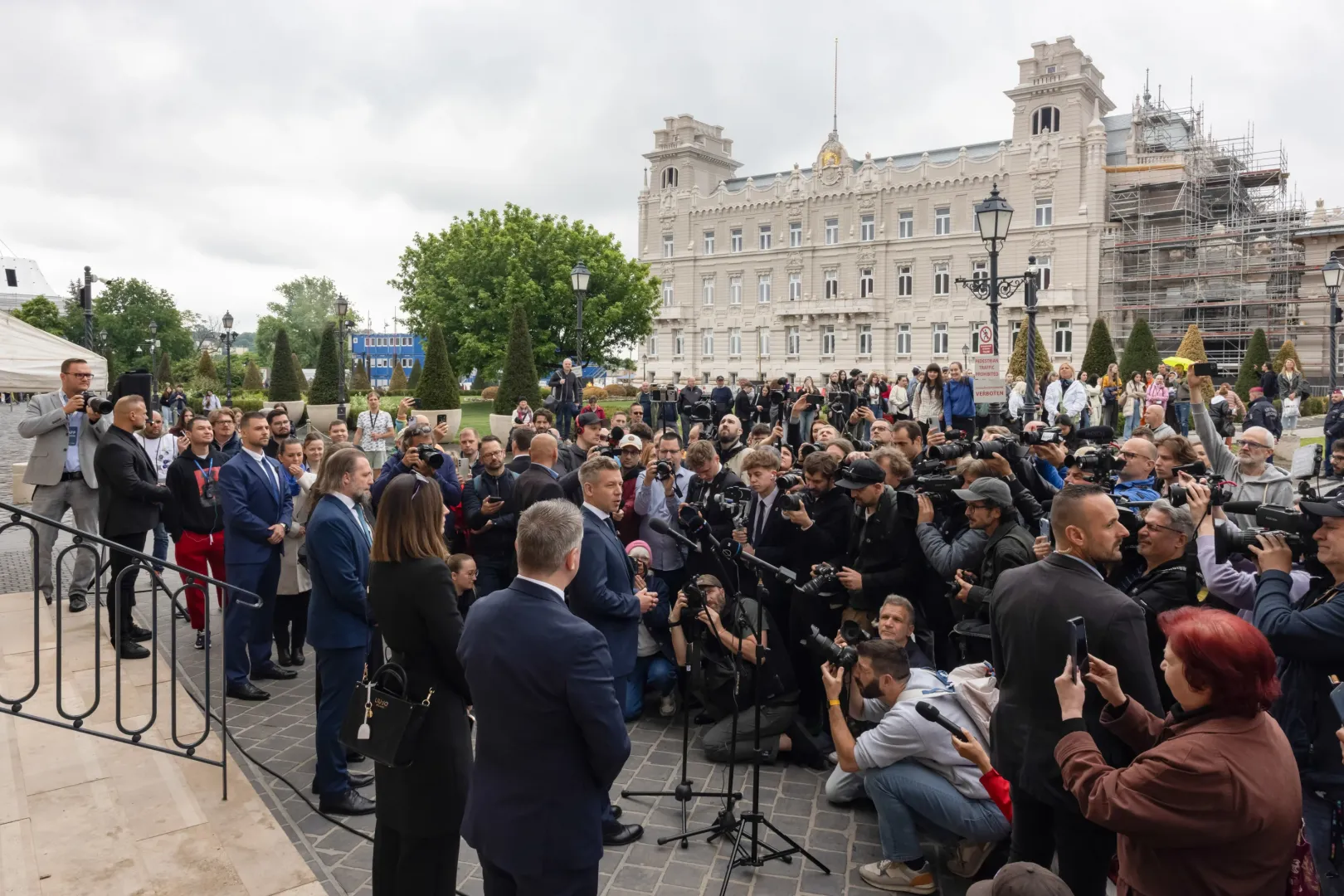
The very first tour was hosted by Prime Minister Péter Magyar, who was accompanied by Minister of Interior Gábor Pósfai and Social Affairs Minister Vilmos Kátai-Németh; on Saturday morning, visitors were also able to tour their future ministries. The day before, the Prime Minister and some of his ministers tore down the cordon that Viktor Orbán had ordered to be put up around the Karmelita in 2021—thus making it impossible for journalists and the public to get close to the building. Before the tour began, Magyar said they were opening up the Karmelita to the public to signal that “there is no wall between the people and the government.” Roughly around the same time, the former prime minister made a statement too—while the first public tour of the Karmelita was underway, Viktor Orbán posted on Facebook saying that he’s just a guy from Felcsút.
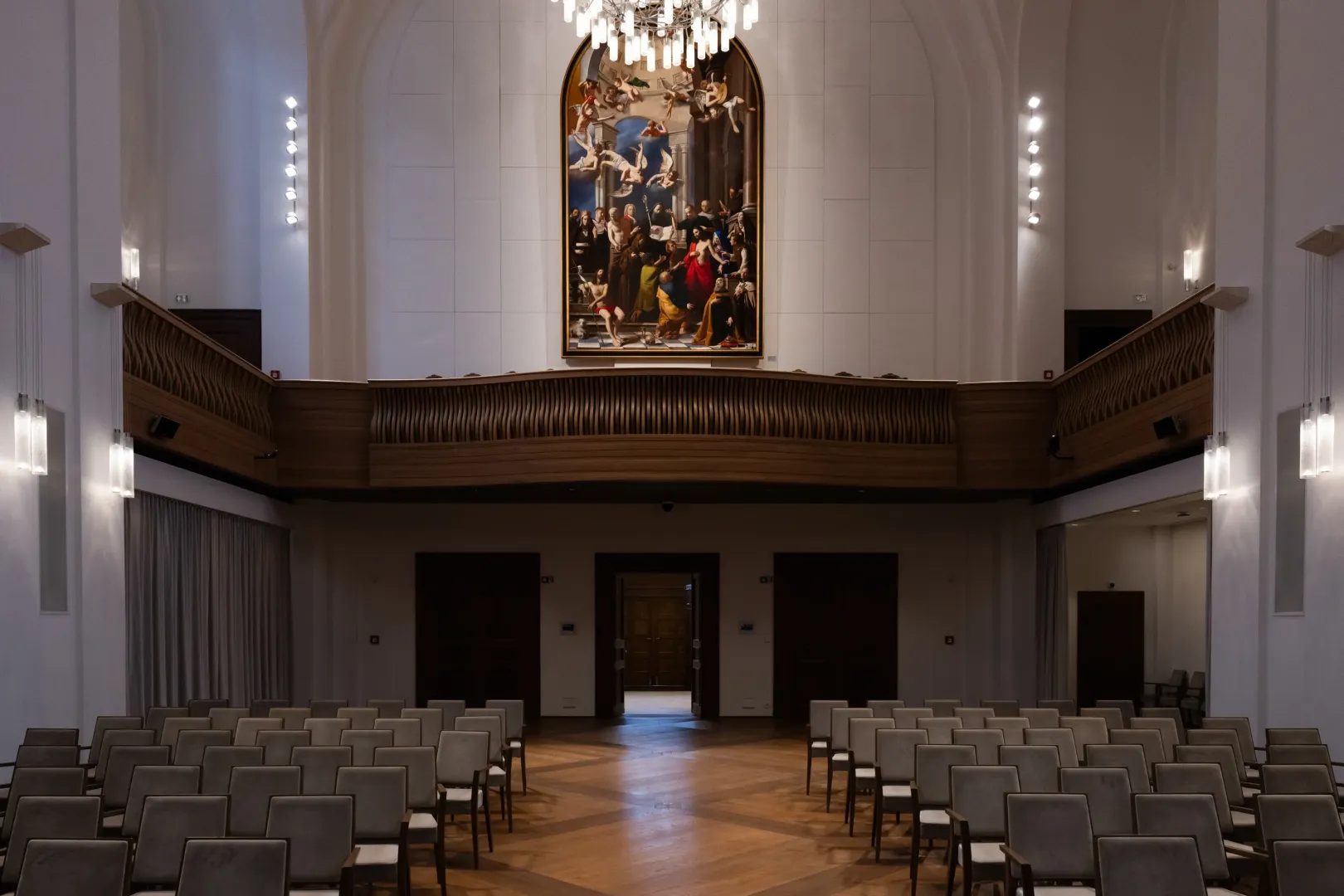
The first stop of the tour is the event hall. This is the only part of the former monastery that may be familiar to the press: it was here that government briefings were held in recent months, although during the final weeks of the Fidesz-KDNP government, the independent press was not allowed to ask a single question at the briefings led by Eszter Vitályos and Gergely Gulyás. Upon entering the hall, two things immediately stand out: the massive, silver-colored organ and the 17-square-meter Renaissance painting, The Holy Conversation. All of this in the very hall where former Minister Gergely Gulyás, there to share information with the press, at times provided answers such as “I don’t know, I haven't seen that, I wasn’t there.”
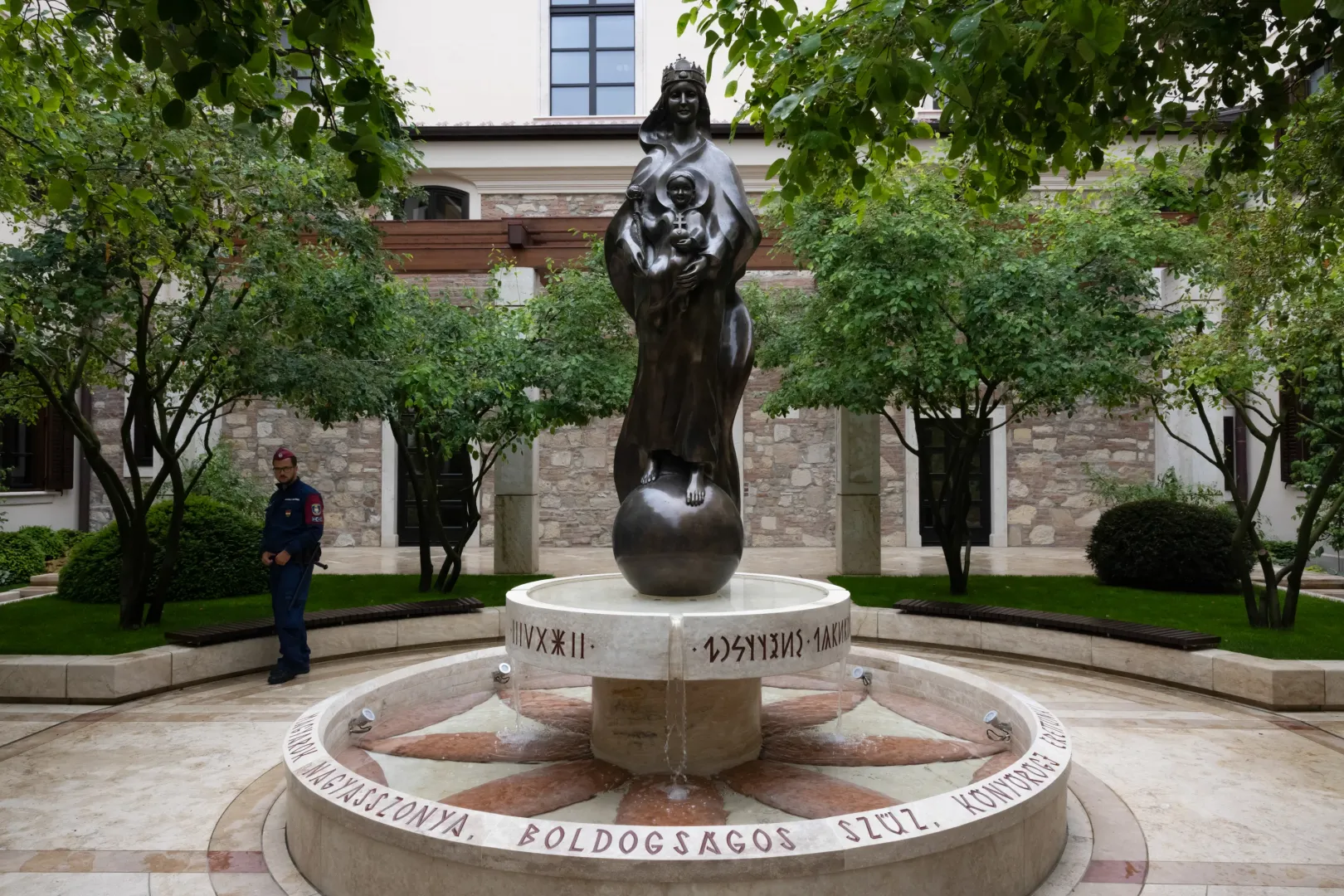
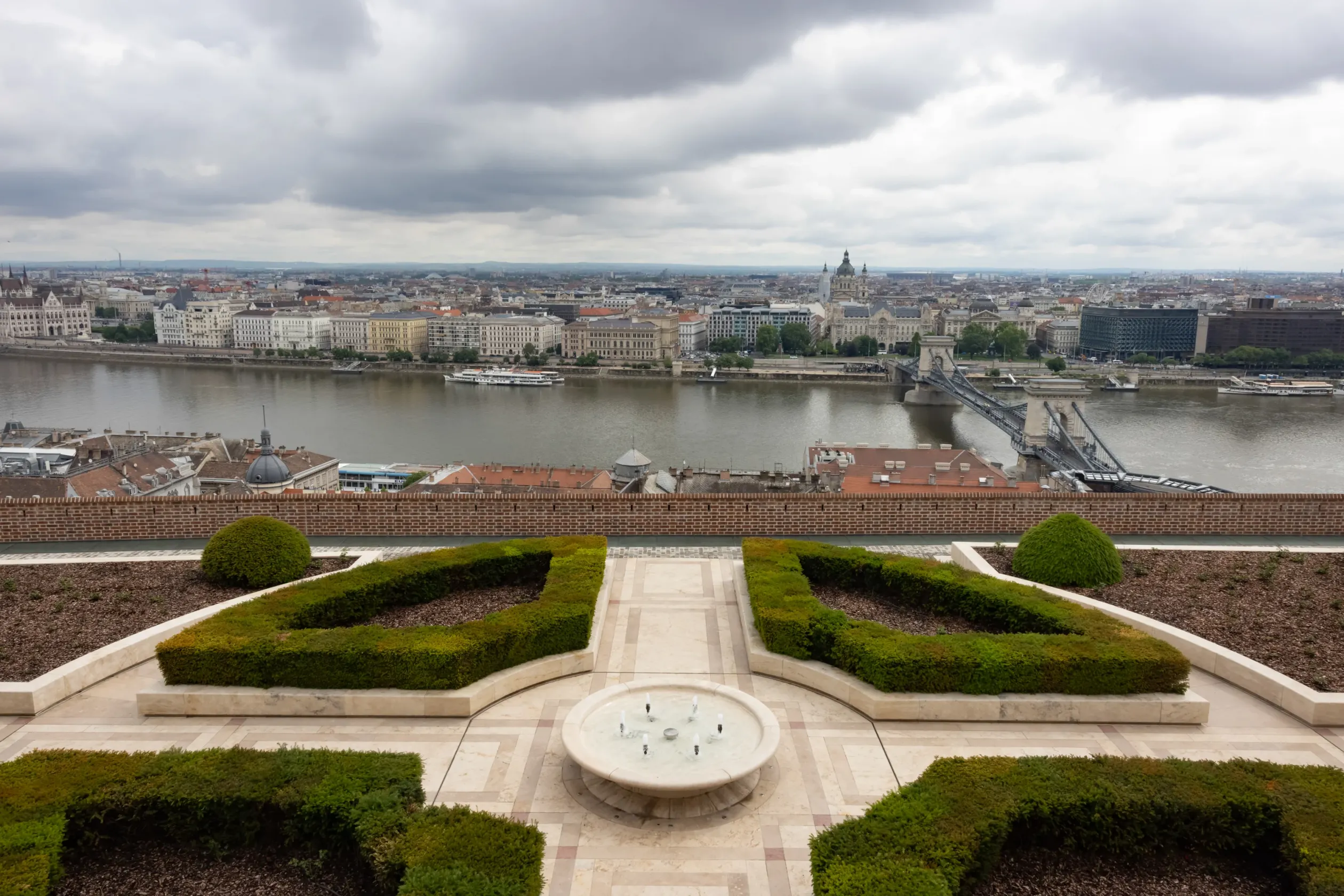
Leaving the hall, the path leads straight to the garden; the first thing one sees upon stepping through the door is a statue of the Virgin Mary with runic inscription at its base. The oaks here are monitored by cameras, but skilled eyes will immediately recognise the garden: for example, it was here, among blooming plants that Viktor Orbán walked with Eastern leaders such as Tamim bin Hamad Al Thani, the Emir of Qatar. But of course, more significant events have taken place here too. To a certain extent, this is where it all began; it was in this garden, as the clemency scandal began to unfold that Viktor Orbán announced that he would attempt to resolve the matter through a constitutional amendment. Katalin Novák even said at the time that she would sign Orbán’s initiative willingly and gladly. Then, a few days later, Novák resigned, and Péter Magyar gave a video interview to Partizán, which was watched by 2 million people.
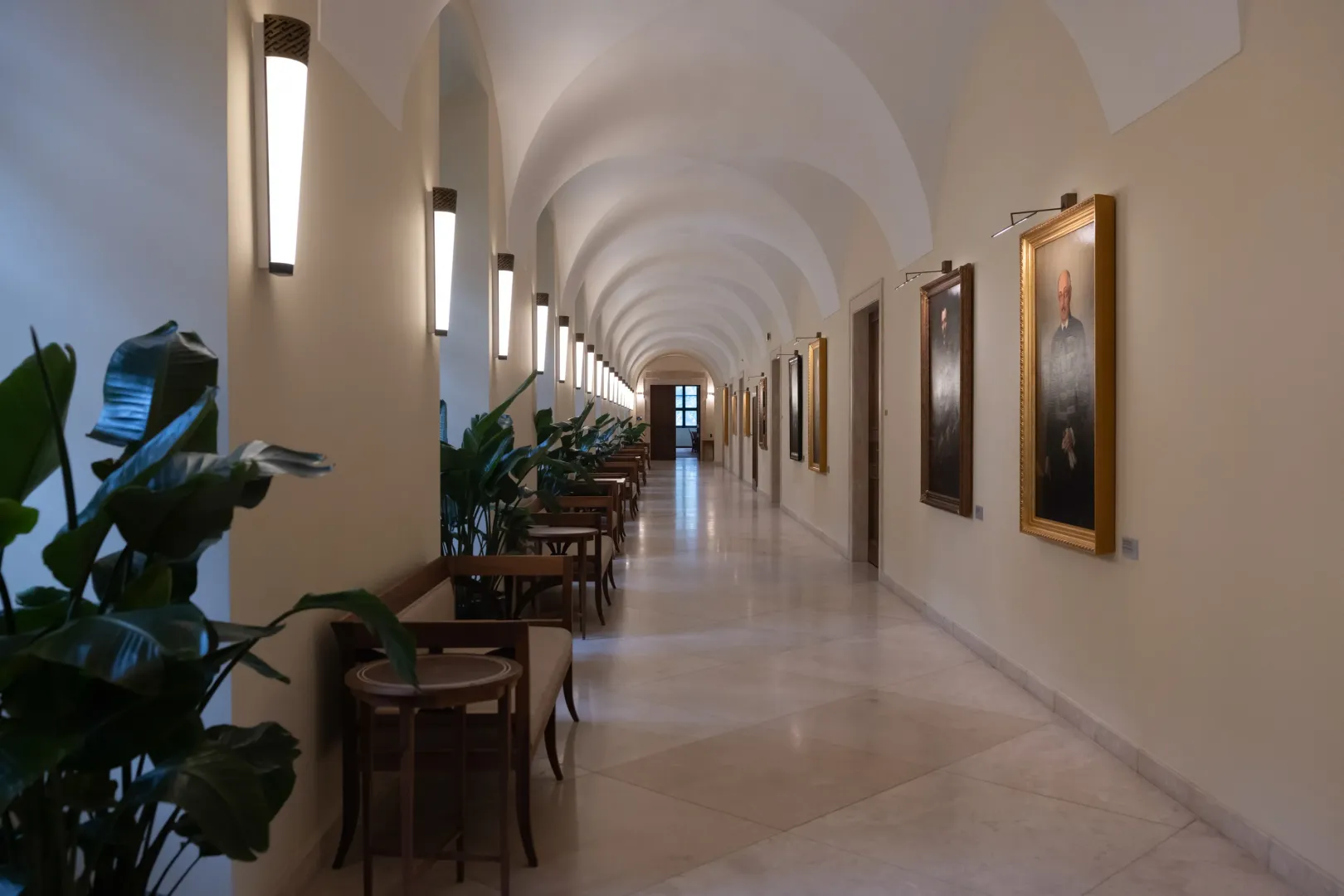
Walking through the white-walled corridors decorated with gold-framed paintings, one feels more like being in a museum than in a government building. Of course, that feeling quickly fades when one recalls the important, almost historically significant decisions that were debated by the previous regime within these very walls. It was also here that several ministers were interviewed for a TikTok video about their personal preferences of Italian brainrot characters when the Fidesz-KDNP government started working hard to reach the youth, as polls showed that they were the least likely to vote for them.
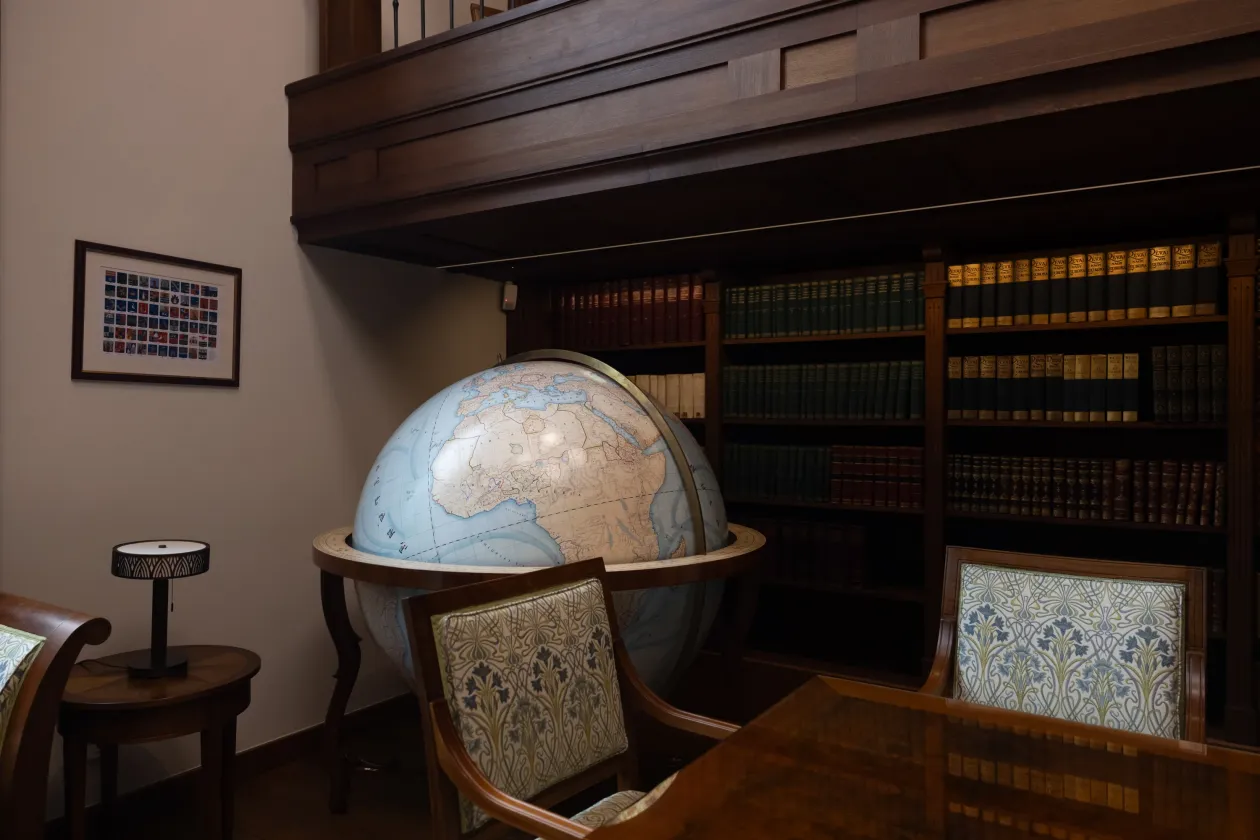
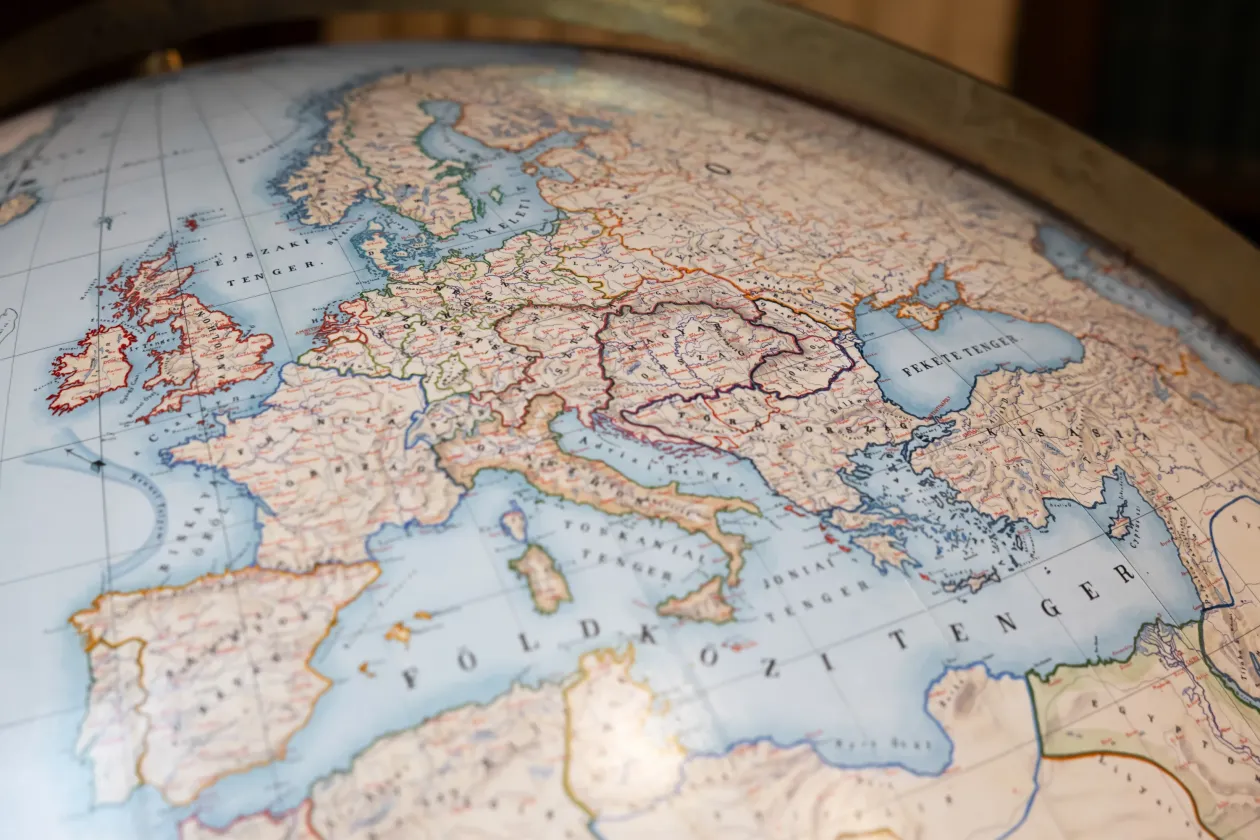
As small as Viktor Orbán’s library may seem compared to the other rooms, it is all the more significant. Alongside the antique books and the panoramic view of Budapest, visitors will quickly recognize a replica of the Perczel globe: this is the massive globe that was frequently seen behind Viktor Orbán when he gave interviews to his own propaganda media about how important it is that he fight against pretty much anything. The globe, measuring more than a meter in diameter, features the map of Hungary before the first World War, aka Greater Hungary: among others, it popped up behind the former PM when he conversed with Patrick J. Deneen, the author of Why liberalism failed —presumably about the failure of liberalism.
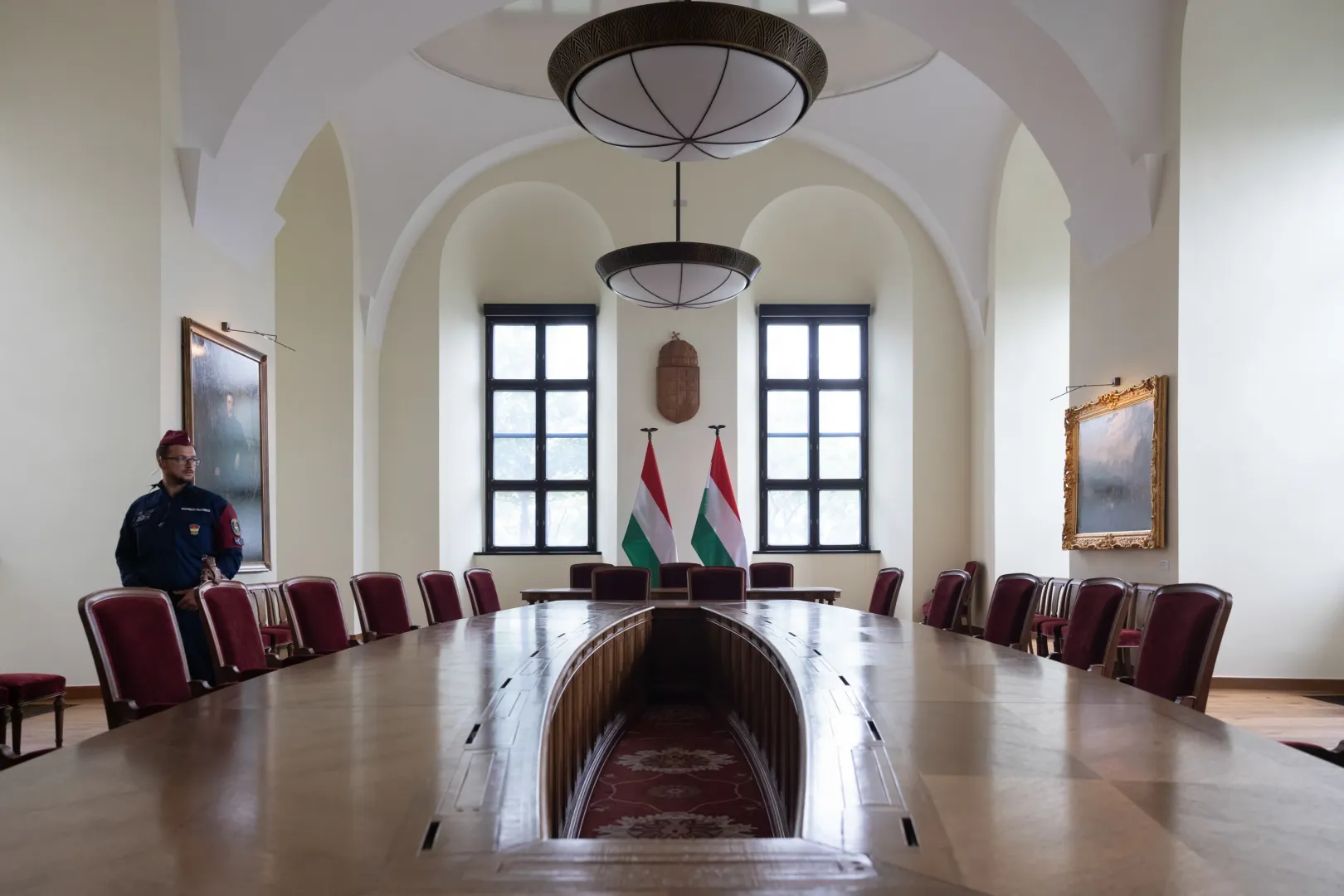
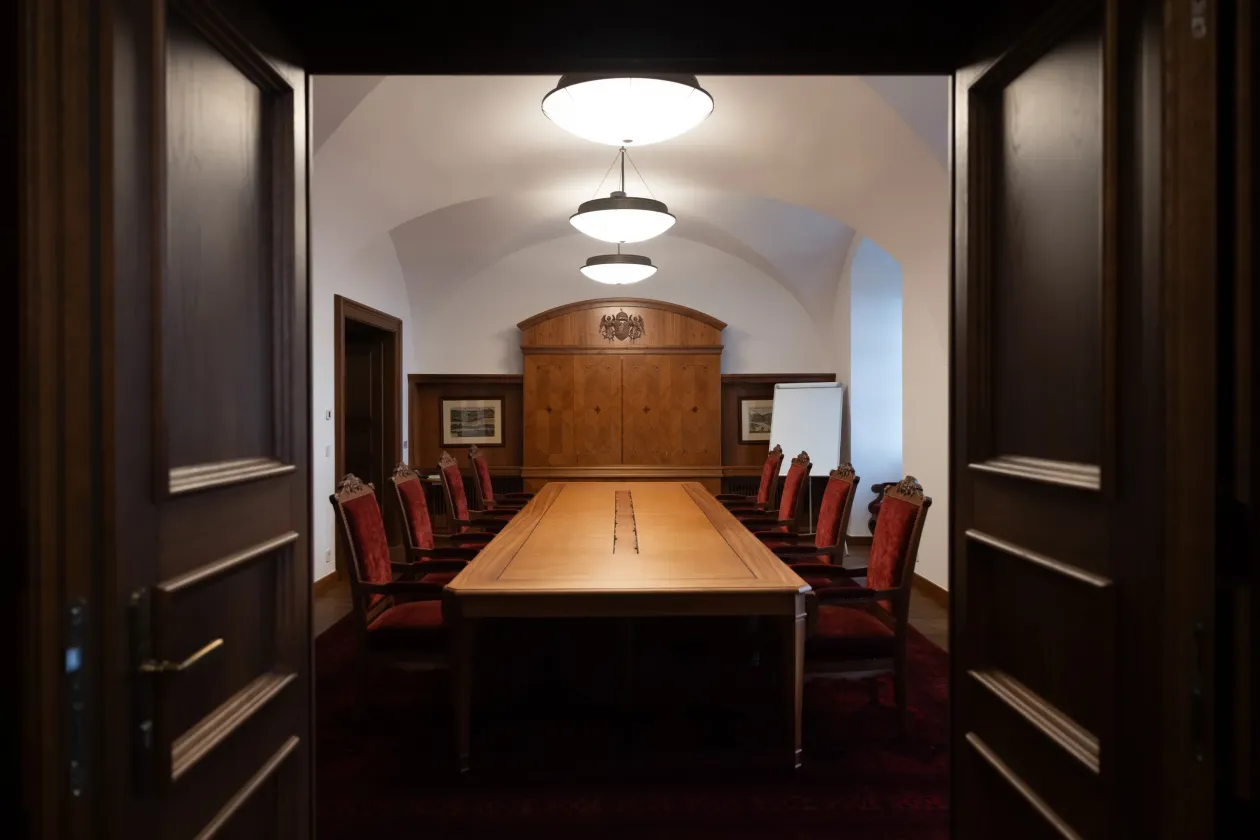
“I am the wolf”— the former prime minister joked on one occasion in the room where Orbán and his ministers used to hold cabinet meetings. Based on the former prime minister’s videos shared on Facebook, this room was the location of presentations and discussions over maps, as well as the visit of Tung Tung Tung Sahur (a viral meme featuring a wodden log, part of the Brainrot trend on TikTok) all directly in front of a framed copy of the laws of April 1848. Perhaps even more interesting than the chandelier protected by plexiglass here is the chair Viktor Orbán sat in: unlike all the other chairs, his is adorned with a wooden coat of arms and a crown carved into the upper part of the chair.
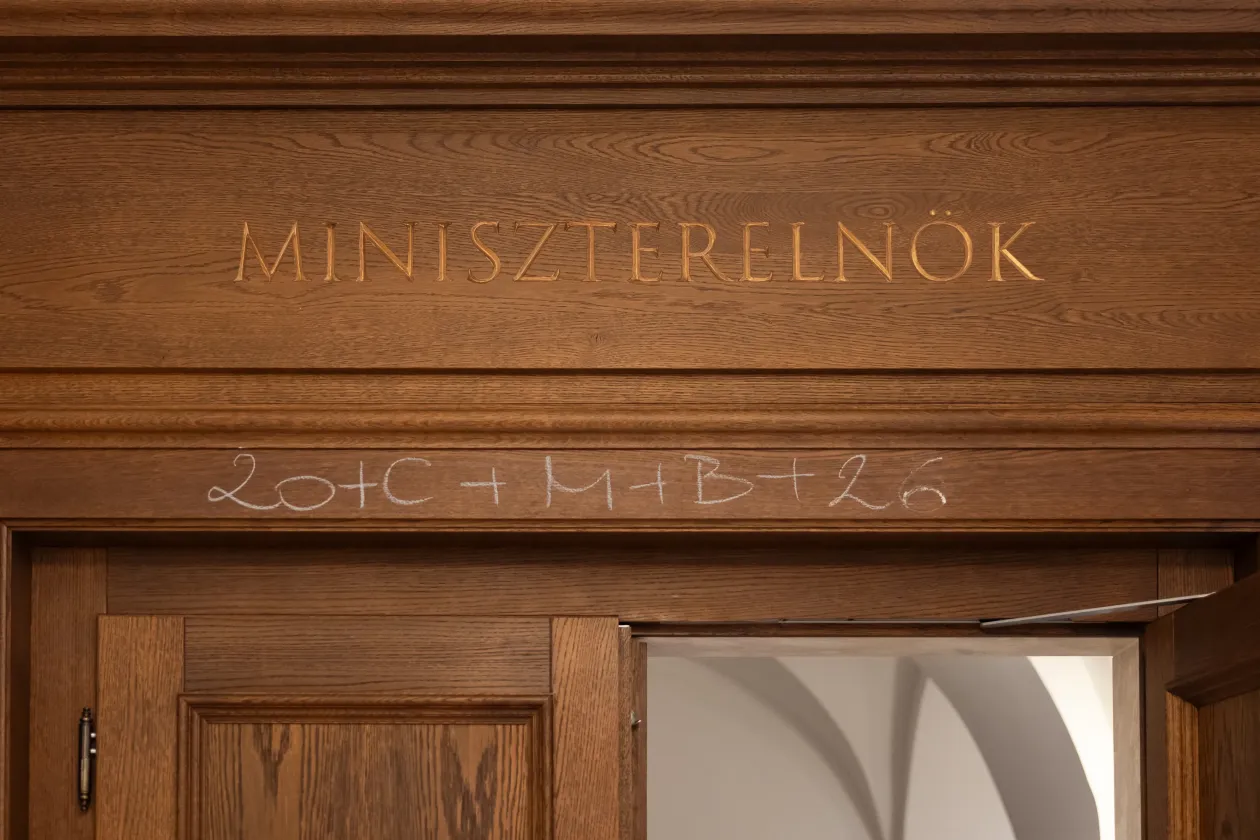
As visitors step out of the conference room of the former government, they can see the marks of a priest's blessing and consecration above the door. It was here that the fame of Father Gergő Bese began, and it ended when he was found to have attended gay orgies. Of course, he was not the only clergyman to appear here in recent years: the intertwining of Fidesz-KDNP and the church was well illustrated by the fact that Cardinal Péter Erdő, “the defender of the freedom of the church and the one who embedded the idea of the nation into the salvation story,” celebrated his 70th birthday here.
As one approaches the Prime Minister’s Office—or rather, the wing—even the most discerning art lover will find what they’re looking for: the walls are adorned by paintings of renowned Hungarian painters such as Pál Szinyei Merse, János Vaszary, Dezső Czigány, and the shield and portrait of Mátyás Hunyadi. There is even a room where there are neither chairs nor tables, only works of art all around. The feeling that one is visiting a museum might even give one pause considering that – upon hearing that the new administration will open the building to visitors – Fidesz's party director Gábor Kubatov and János Nagy, Orbán’s former secretary, urged people to visit the Karmelita, saying that there is nothing luxurious there, it is just “an ordinary place of work.”
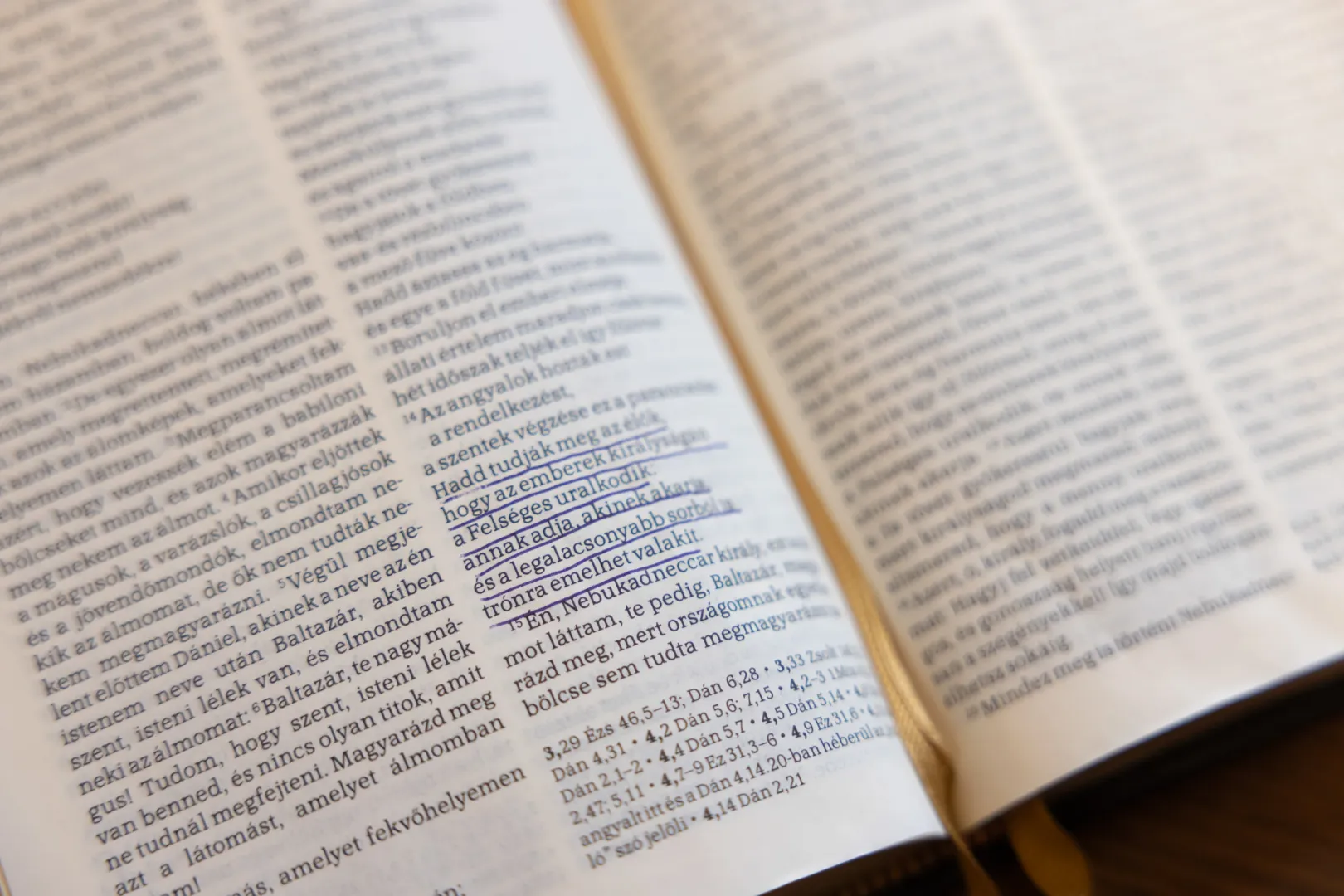
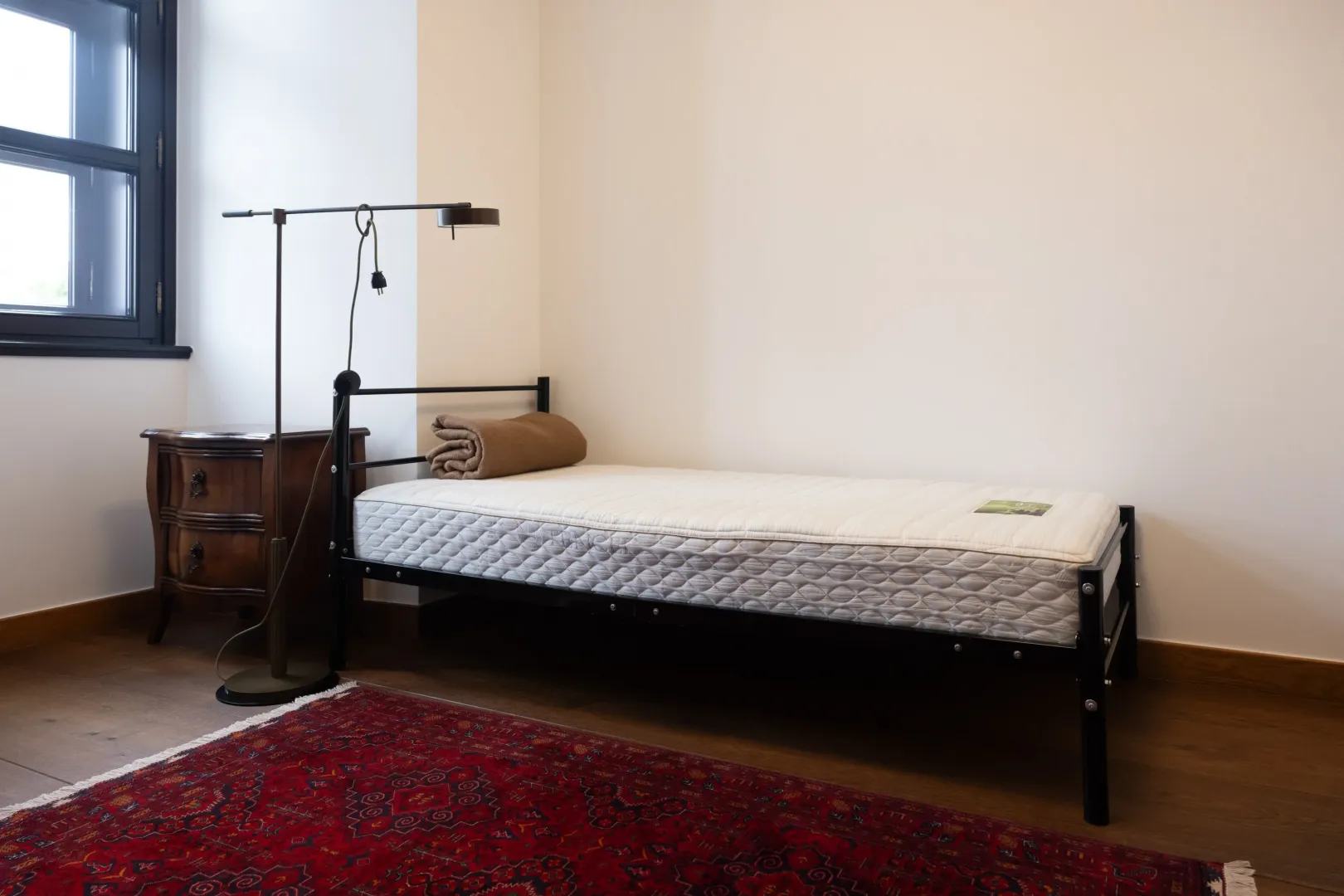
Walking past Hungarian flags with the image of the Turul (a mythological bird which was one of the symbols of the Árpád dynasty) and a painting depicting a glorious past and a brighter future, we finally reach Viktor Orbán’s room. Having walked past an open Bible and a paper shredder, we arrive at the famous iron bed where the former prime minister presumably used to rest.
Incidentally, the Prime Minister’s office is also linked to other moments of great historical significance for the Hungarian people. Evelin Gáspár (daughter of a pop singer) and the Roma folk singer Kis Grófo have both visited here; with Orbán even describing the latter as the coolest ever. It was here that Orbán received Turkish leader Recep Tayyip Erdoğan, as well as Benjamin Netanyahu, for whose sake Hungary even withdrew from the International Criminal Court. And, of course, it was here that Orbán also received an exorcist.
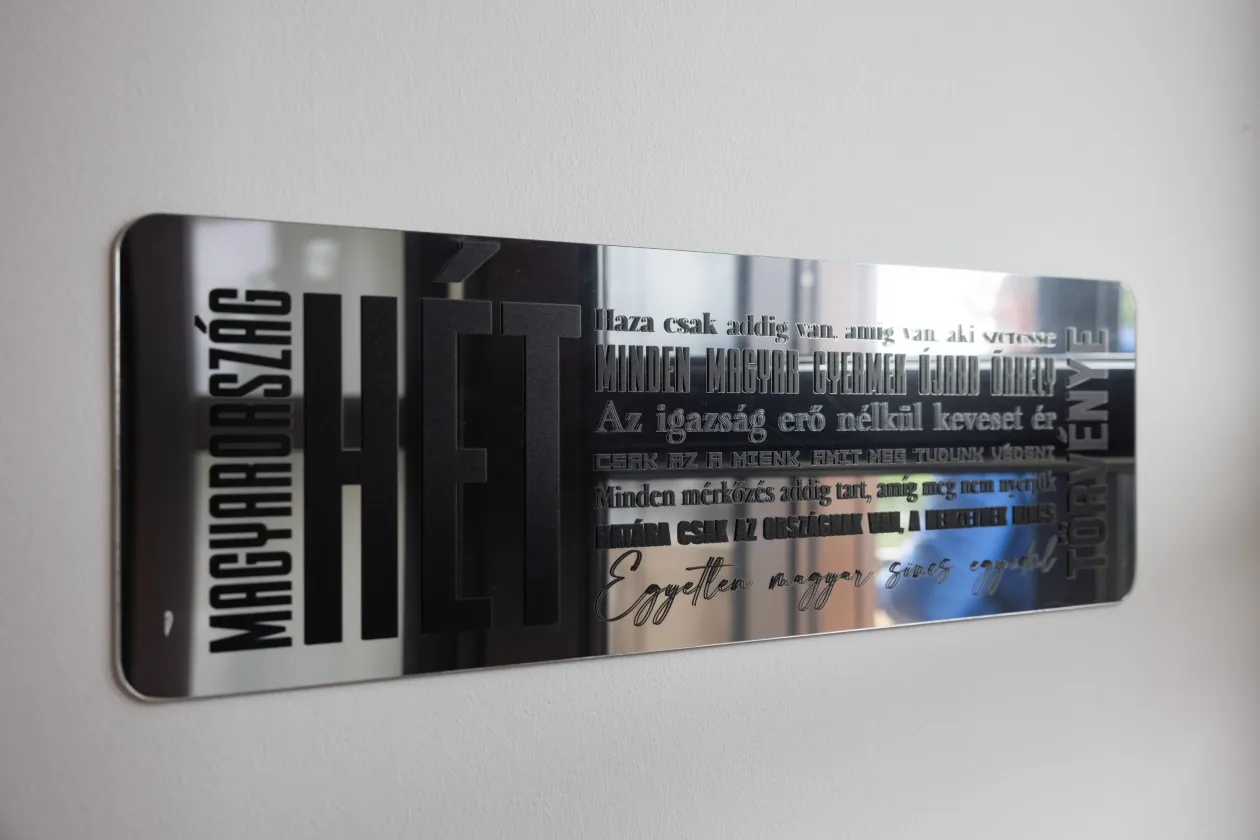
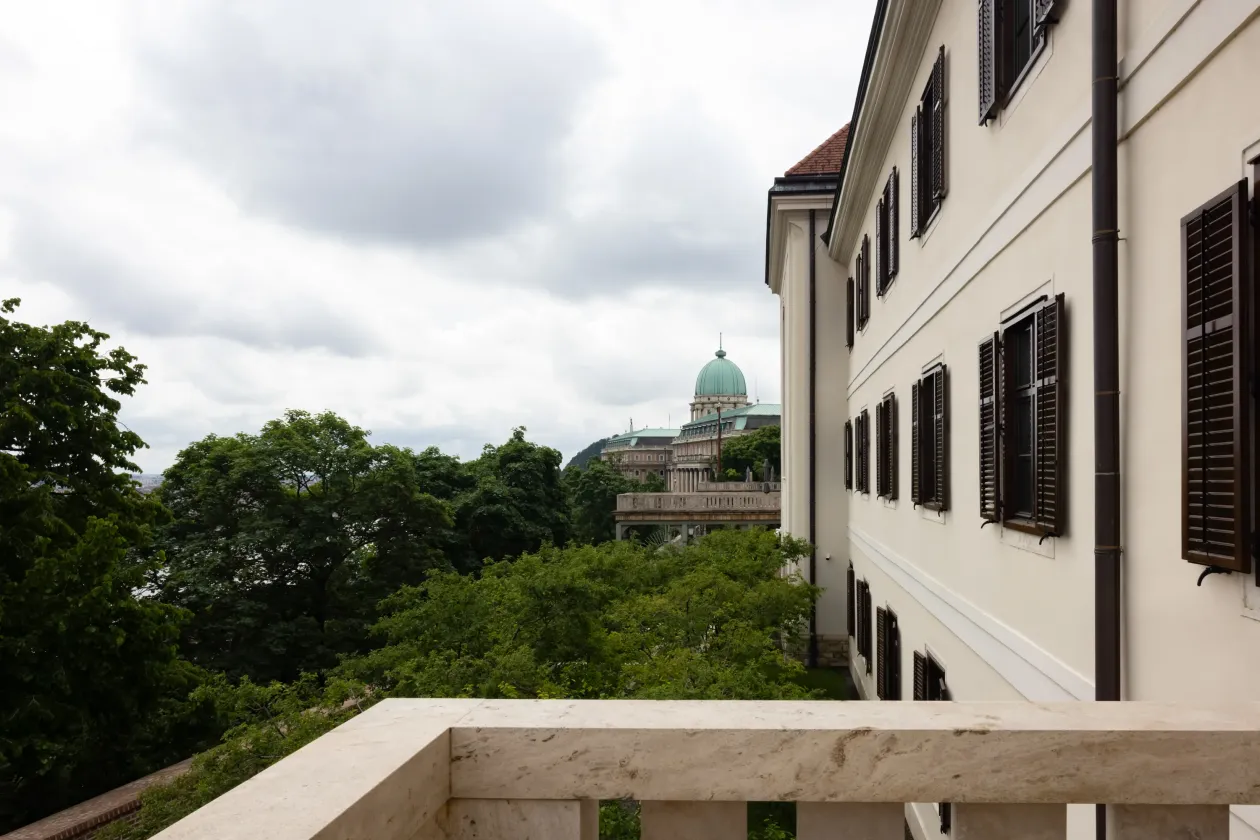
At the end of the tour of the Karmelita, visitors can admire Orbán’s "Seven laws of Hungary" engraved onto a mirror before stepping out onto the country’s most famous balcony—the very spot from which Orbán once kicked a soccer ball, a scene he would years later use in his campaign. This was the video in which Orbán scored a goal against an AI-generated Péter Magyar, and the AI-Magyar, in response, collapsed in desperation. And this was also the balcony to which Péter Magyar waved from the balcony of the neighboring Presidential Palace shortly after his election victory, referencing the famous Absolute Cinema meme.
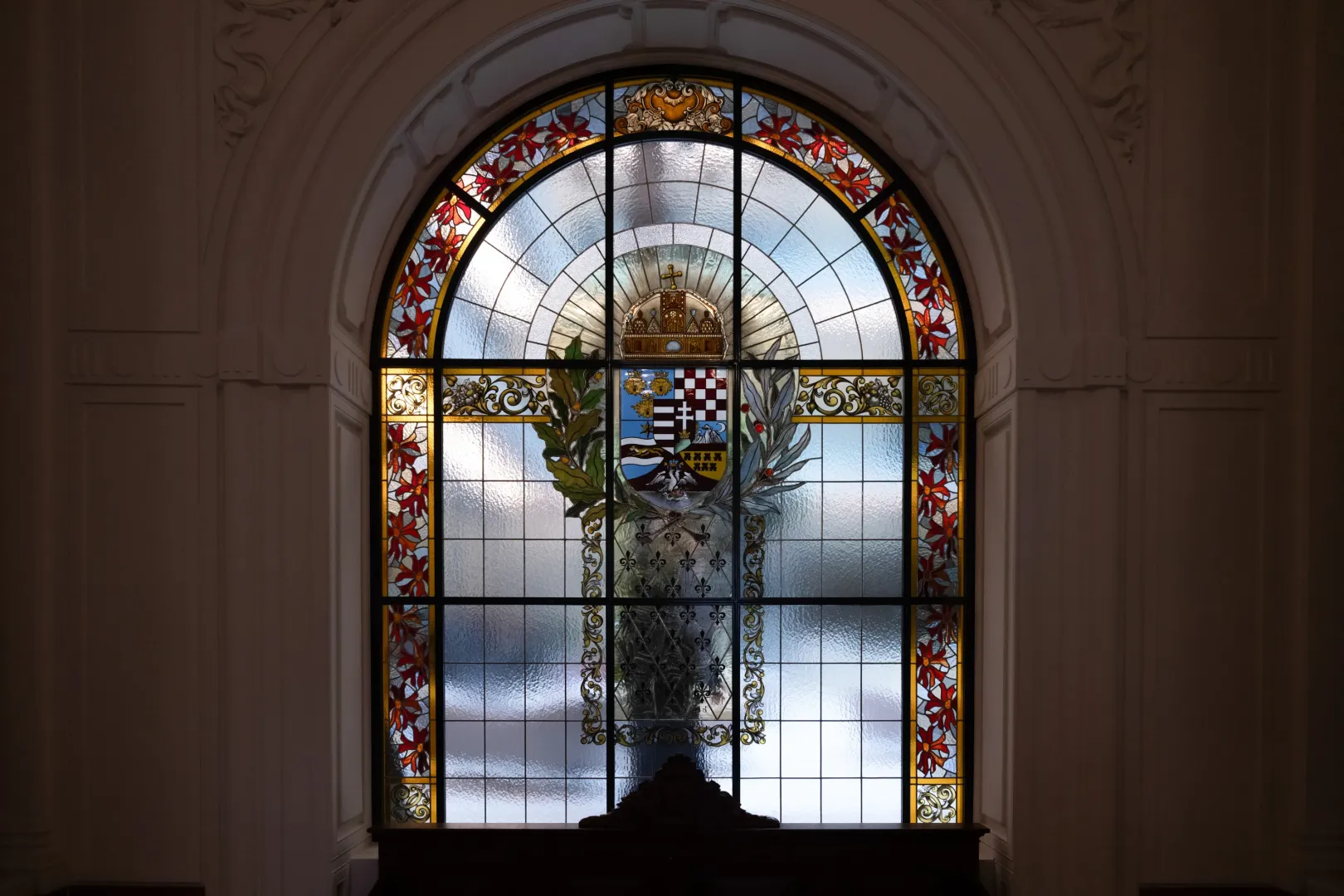
The next stop on the tour was the building that previously housed the Cabinet Office, which will serve as the home of the Ministry of Social Affairs and Families under the new government. Stepping into the refurbished interior of the Cabinet Office—which had spent nearly 80 billion forints in the run-up to the elections—felt strange at first: walking there felt like walking through an interior design magazine. A glass wall covered with all kinds of plants runs down from the ceiling; this creates a jungle-like atmosphere due to the humidity, and during the tour, the only thing one can think about is whether anyone actually survived here during the summer.
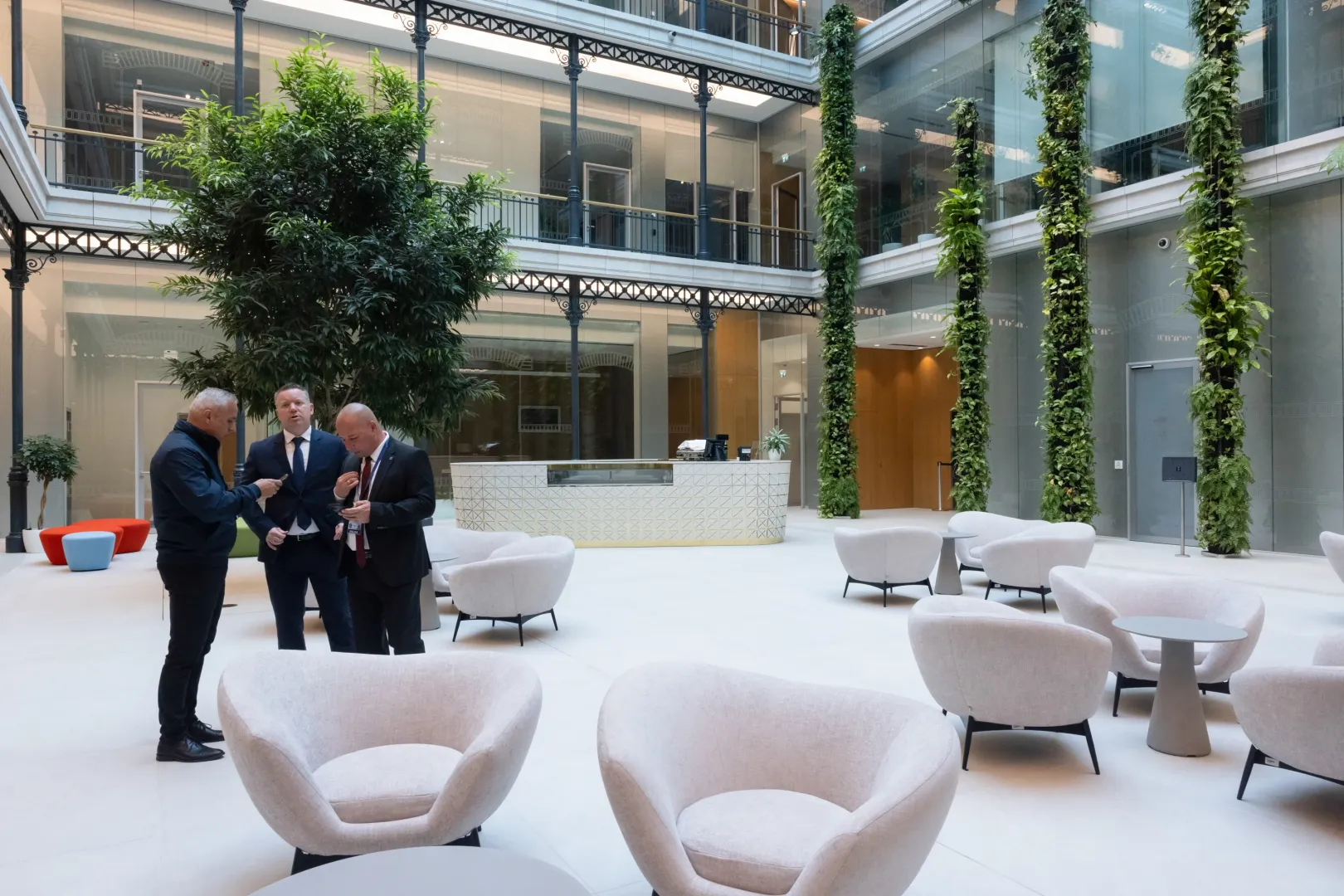
Antal Rogán’s former ministry moved into the building specifically renovated for them only recently: for example, this is not where the campaign billboards featuring anti-migrant slogans and the ones about stopping George Soros were conceived, but the anti-Ukrainian billboards and the ones targeting Zelenskyy and Péter Magyar likely were. What is certain is that over the past many years, regardless of where the offices of Antal Rogán and his team were located, they had one goal: to stop Brussels.
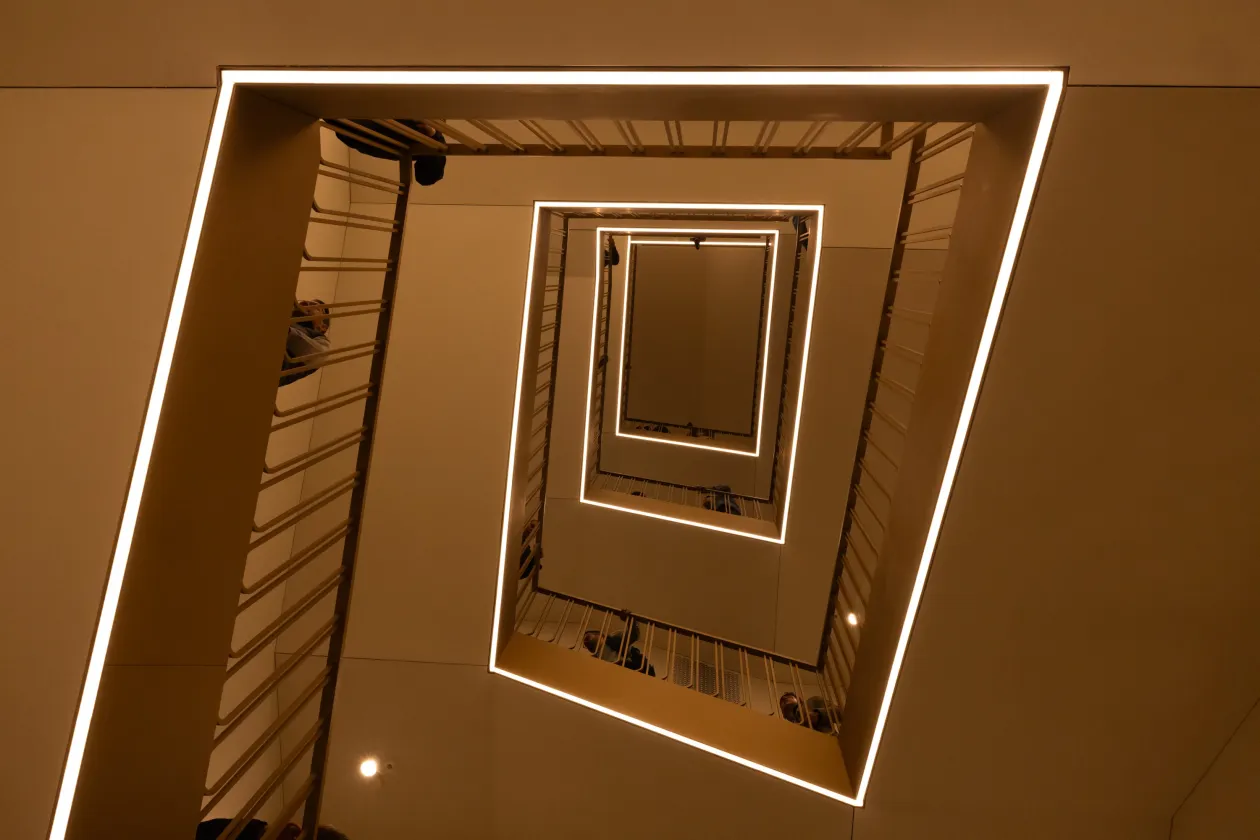
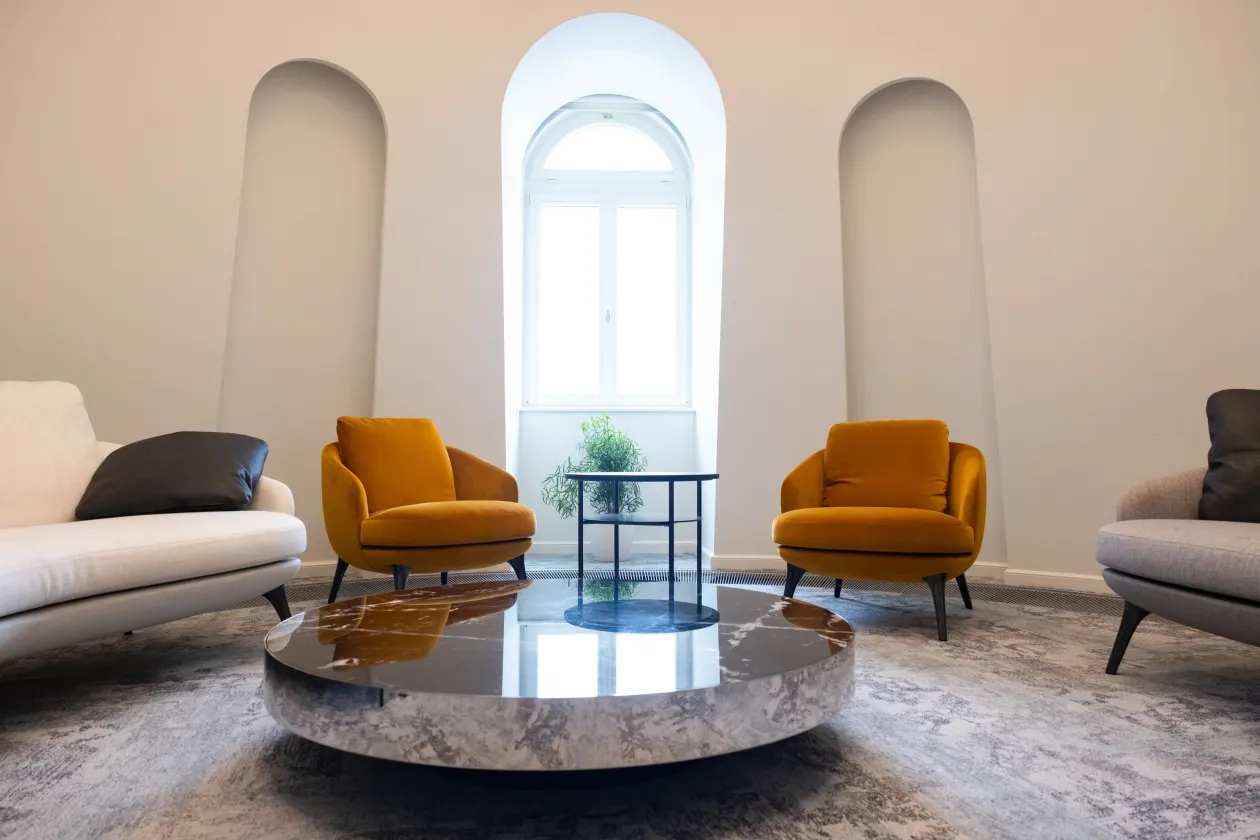
This building is also home to the infamous cigar room, which "isn't a cigar room". That is, according to Péter Magyar, this was Antal Rogán’s cigar room, built with public funds, on the top floor of the office building; according to Rogán, however, no one ever smoked cigars here since smoking is not allowed anywhere inside the building—they simply used the yellow armchars and the black marble table to eat their meals. With the exception of the view from the Karmelita, the view from here was the best, so whatever Antal Rogán did here, it certainly seems to have been worth it.
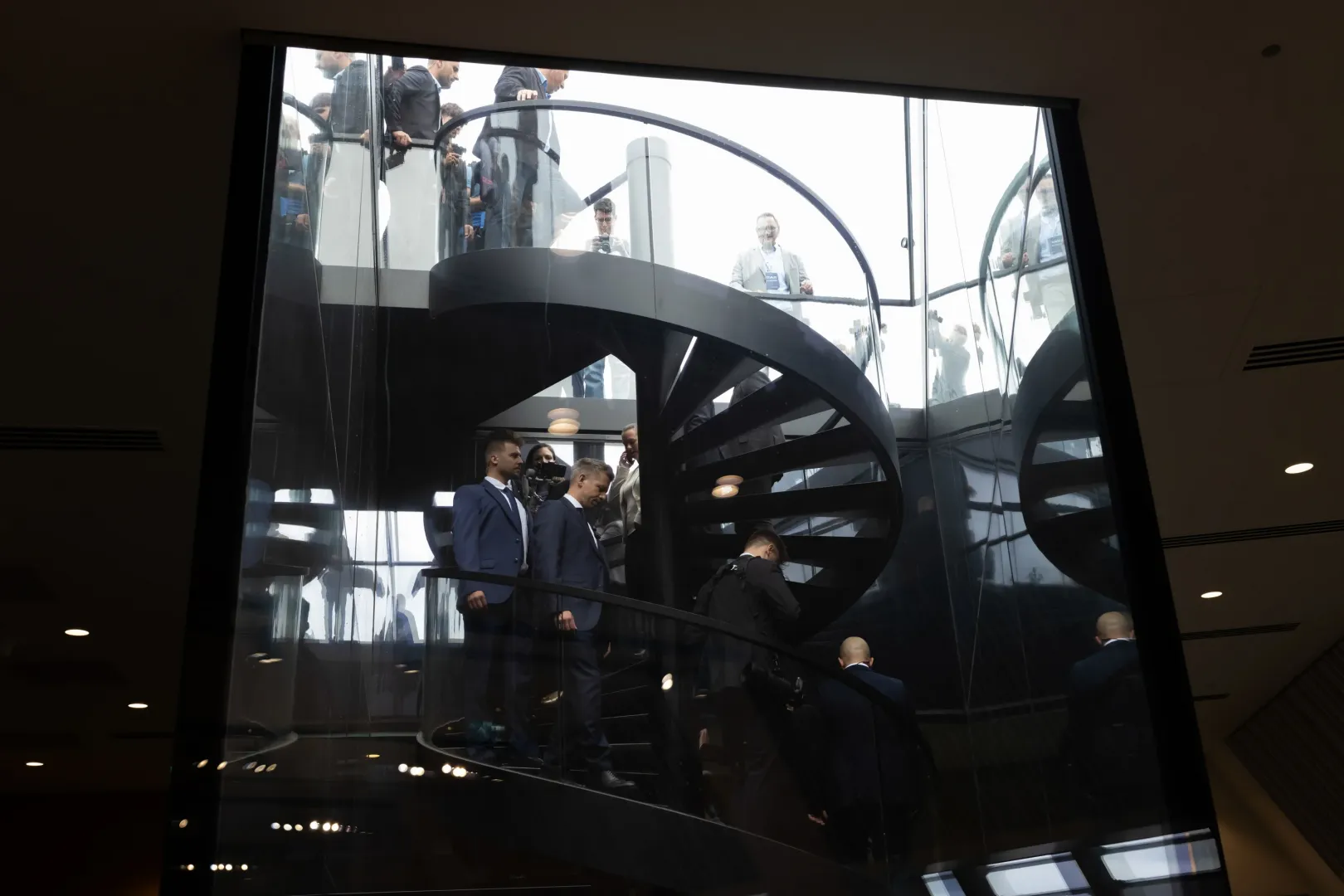
Beyond the golden banisters and the modern dining room, one arrives at a spiral staircase leading to the top floor of Antal Rogán’s propaganda ministry. By this point, the constantly rushing group of journalists had split into several smaller groups; it was easy to fall behind at Rogán’s cigar room which isn't a cigar room, where people stood in long lines just to peek inside for a few seconds. The tour had truly started to resemble a museum tour, especially when it came to going up to the roof: the front of the group was already making their way back down by the time the back of the group had even started to climb the stairs.
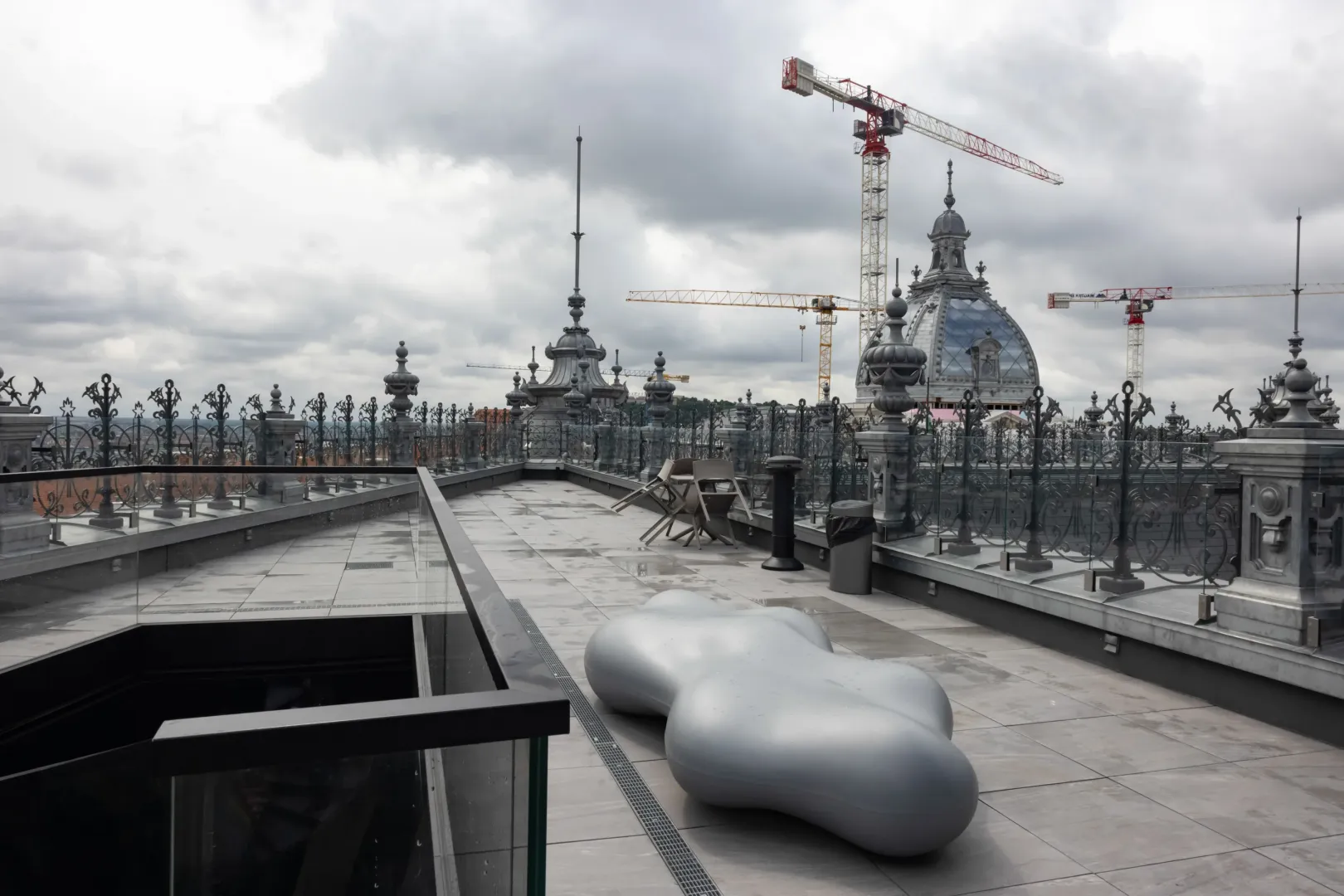
One of the highlights of the tour was the roof itself, where, alongside the Parliament building and the Budapest skyline, the group of journalists also bumped into Bertalan Havasi (Orbán's press chief between 2010-2025, and since February 2025, State Secretary of the PM's Press Office), who engaged in a surreal conversation with Péter Magyar. Havasi claimed he had only come in to protect his office and the documents therein from the “Siege of Bastille,” and that he was just trying to sneak a cigarette on the rooftop terrace.
After a brief exchange between Magyar and Havasi, the group set off from the Cabinet Office toward the Ministry of the Interior—that is, they would have set off if smaller groups hadn’t gotten stuck in the ultra-modern elevators, which didn’t have a single button inside. It took a while to figure out that the only way to indicate which floor one wanted to go to was by directing the elevator from outside, next to the doors.
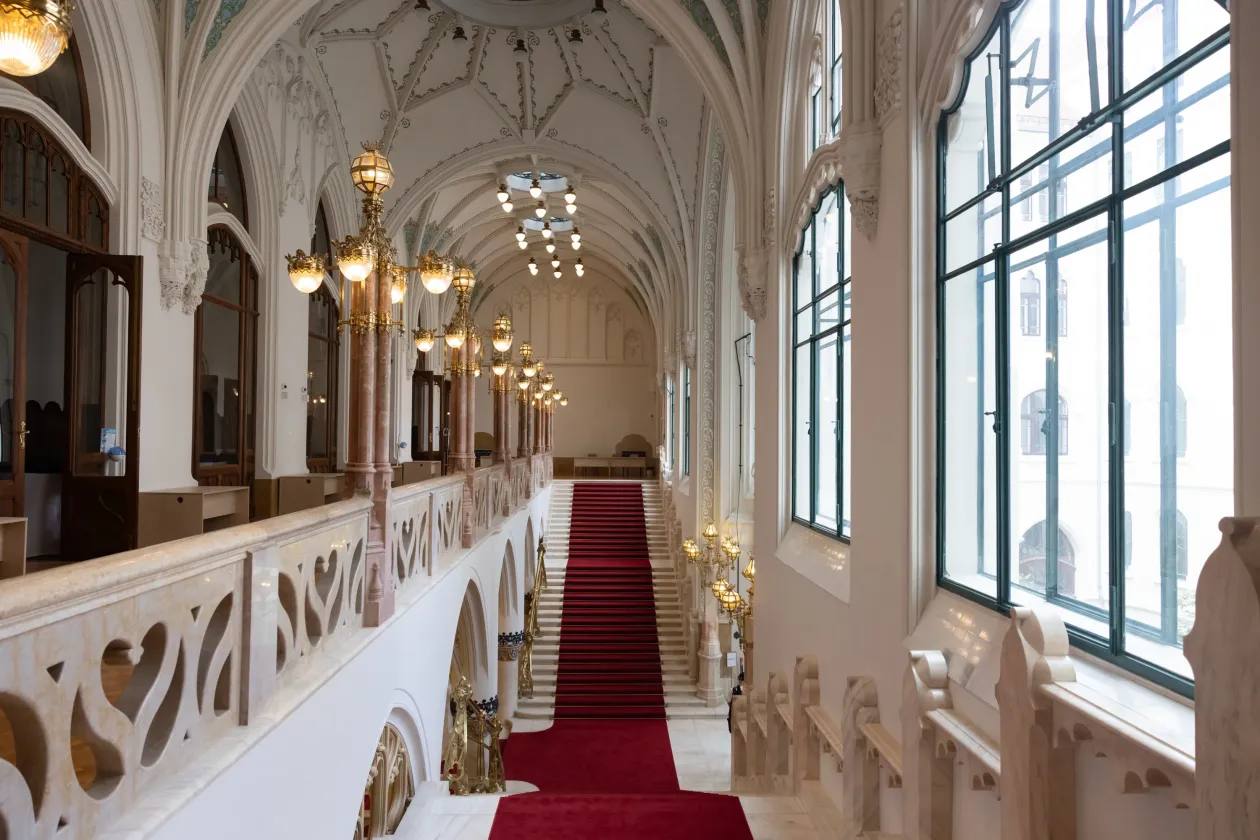
With its ornate columns and massive chandeliers, the Ministry of Interior had such a palatial feel to it that it was more reminiscent of a castle tour on a vacation abroad—where, alongside other tourists, one listens to an audio guide explaining what the old kings had built there—than of a government ministry. As we walked up the stairs covered with a red carpet, we suddenly found ourselves whispering, as is proper in a museum. This building will eventually be inherited by Gábor Pósfai’s Ministry of Interior, by the way, so it won’t be open to the public: though a few tourists have apparently managed to get in even now.
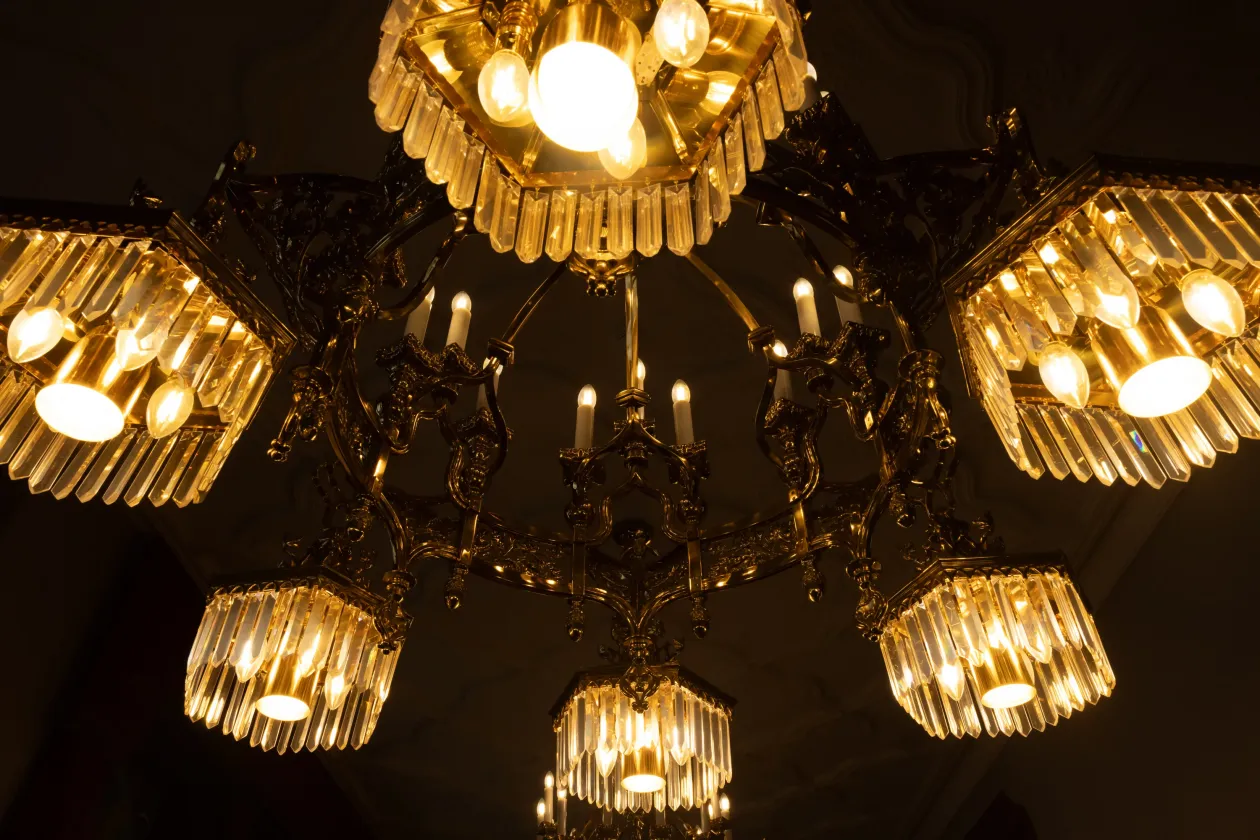
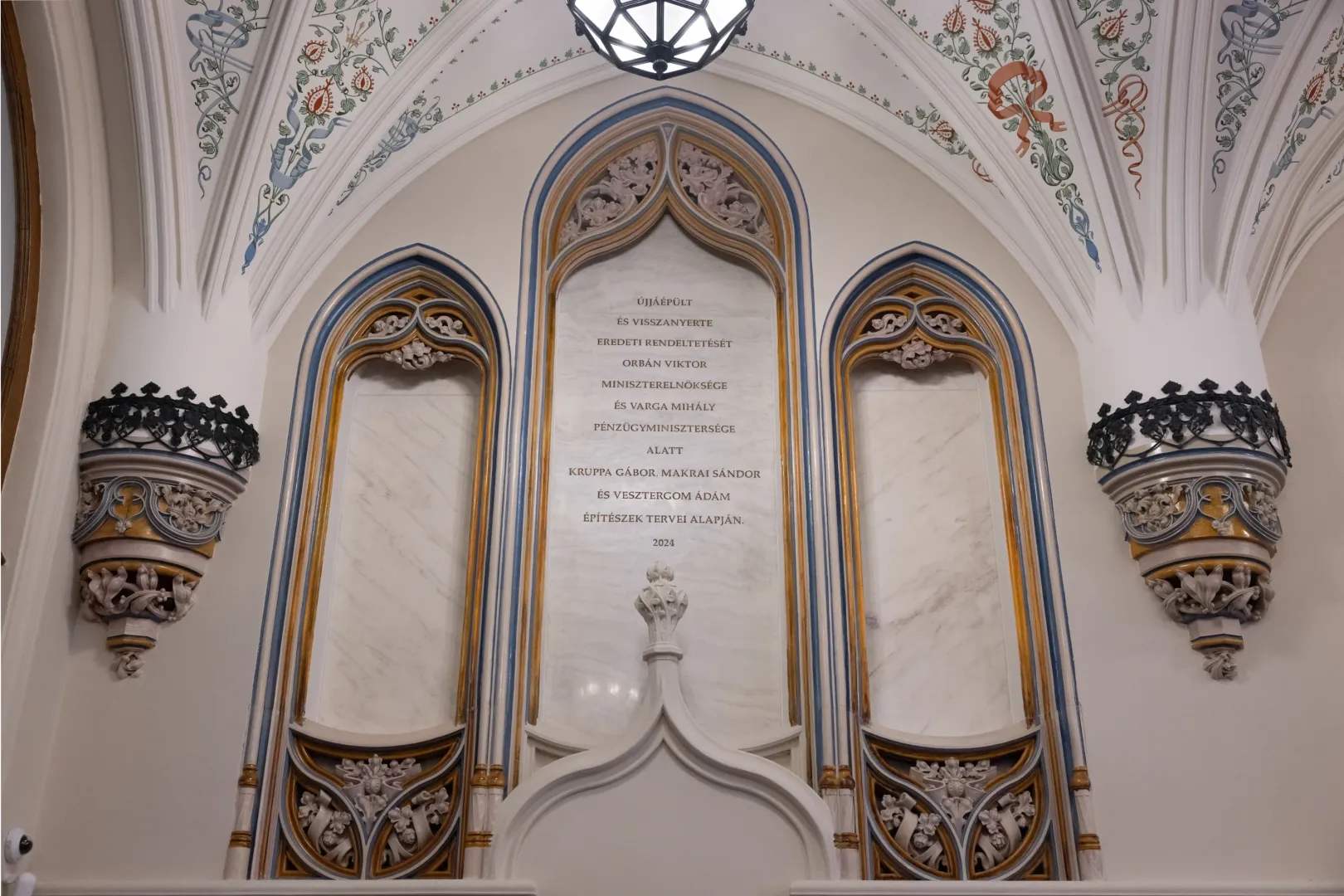
Inside the building of the Ministry of Interior, after passing the decorations on the right, a marble plaque on the left catches the eye: “Rebuilt and restored to its original purpose under the premiership of Viktor Orbán and Minister of Finance Mihály Varga.” It appears that this plaque survived the Fidesz-KDNP era: unlike the foot massage device, which was still in Sándor Pintér’s office when Péter Magyar visited earlier in the week—but has since disappeared.
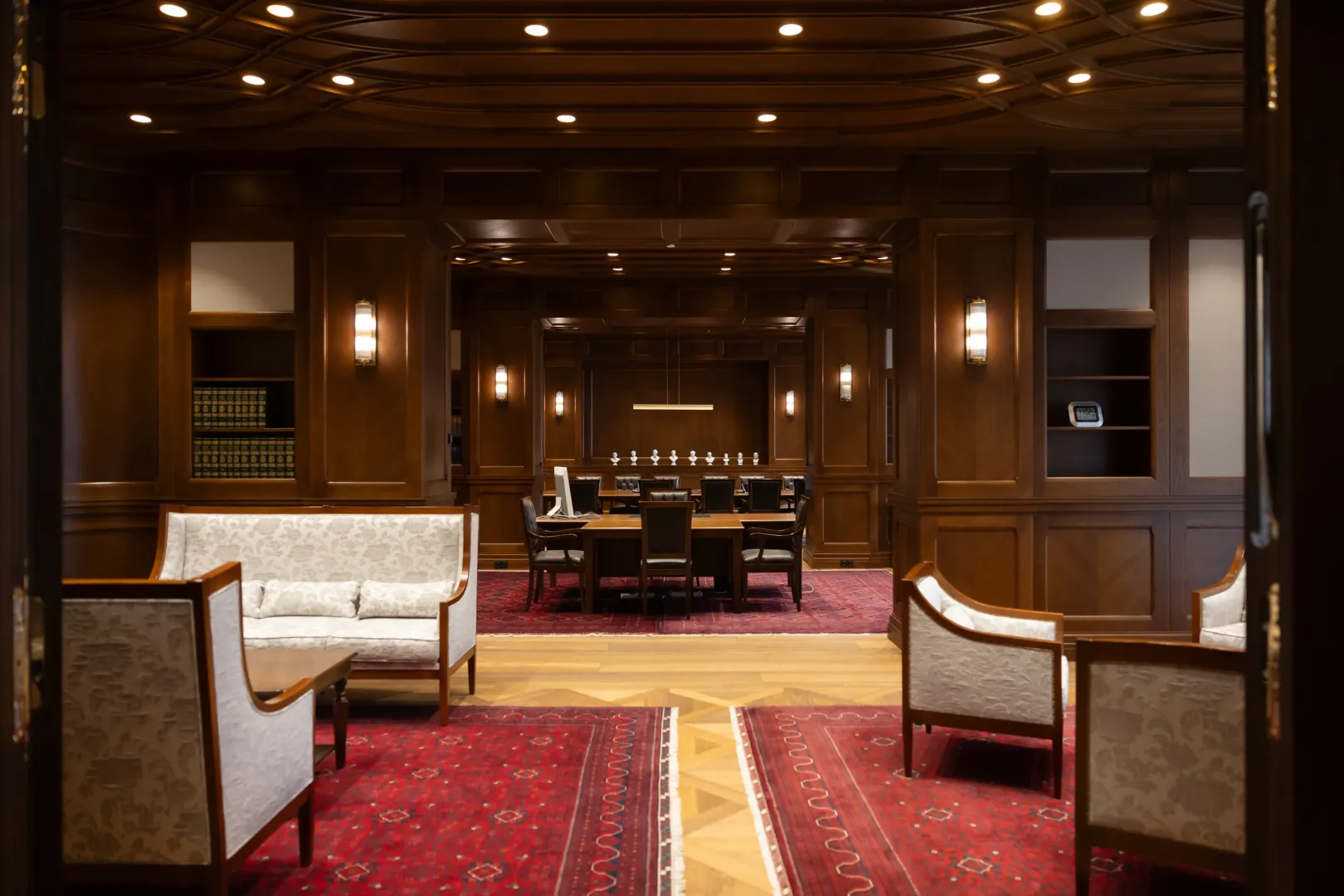
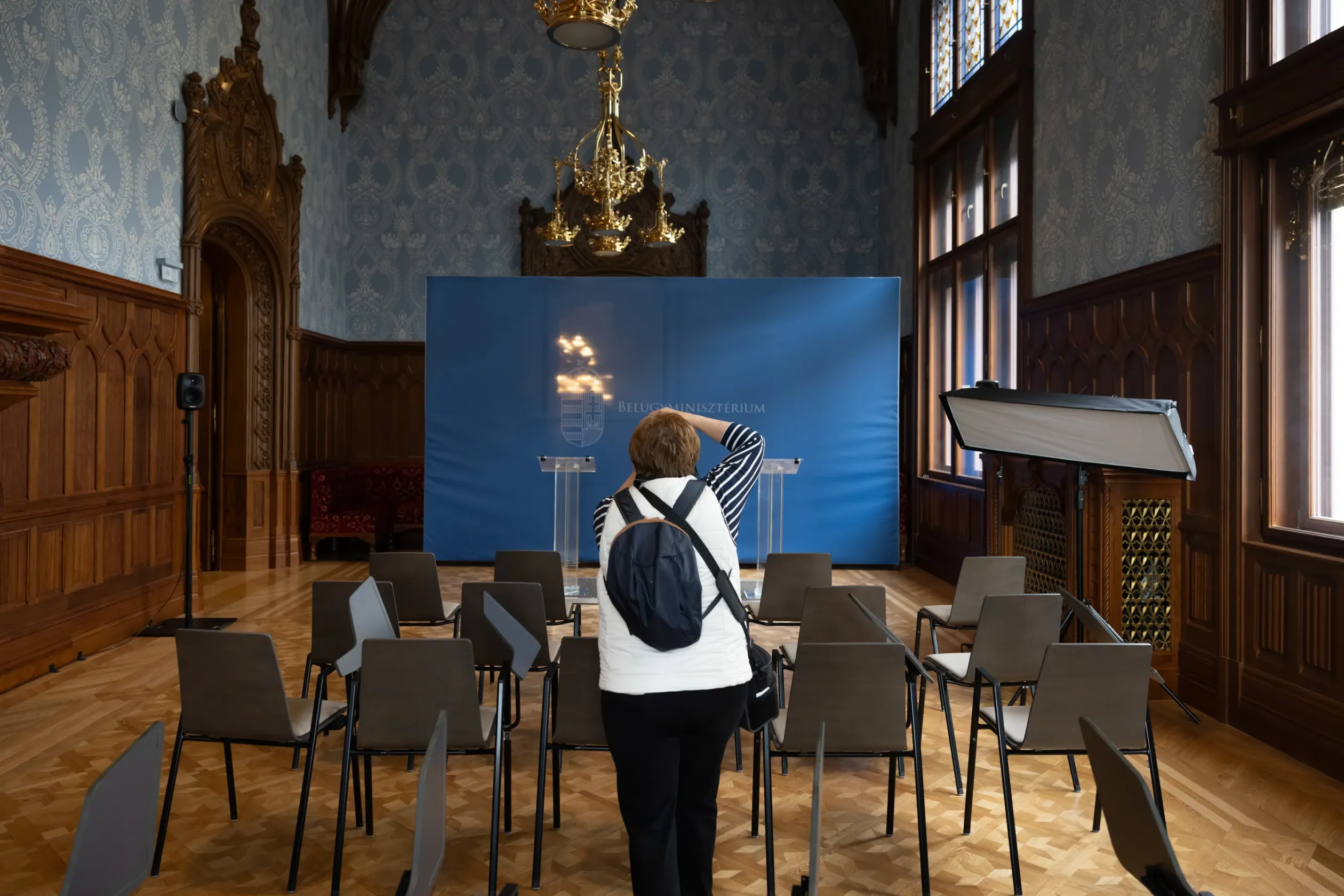
The scandal of the Szőlő Street juvenile detention center, which likely also contributed to Tisza’s two-thirds victory was also linked to Pintér’s interior ministry. Another scandal related to this ministry was that the police were unable to handle the MNB case, which then ended up with the Central Investigative Prosecutor’s Office, where they suddenly started working on it just a few days after the election. Sándor Pintér’s office and terrace were also enormous, perhaps even more impressive than Viktor Orbán’s office, but this is somewhat understandable: the statues of Deák and Széchenyi behind the conference table, the modern furniture, and the panoramic view of Szentháromság square all signaled that this was a serious ministry. After all, this ministry was also responsible for, among other things, education, healthcare, the police, as well as the case of newborns left behind in hospitals—about whom Interior Minister Sándor Pintér famously said: “We weren't the ones who gave birth to them", when asked what the state would do to ensure they are provided the care they need.
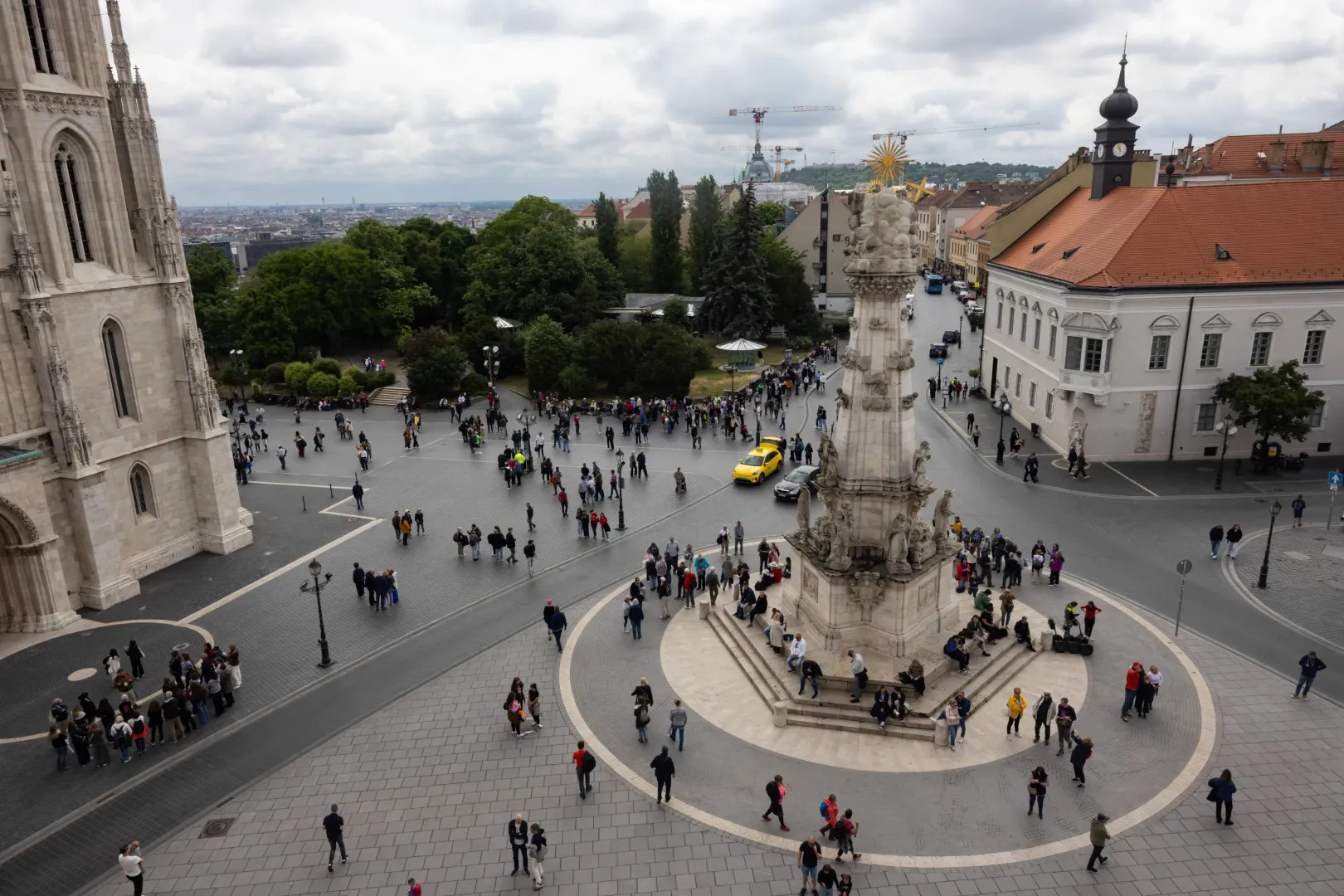
Before leaving the Ministry of Interior—which we likely saw for the first and the last time on such a tour—amidst the chandeliers and decorated walls, we spotted Sándor Pintér’s name on a certificate in a glass display case. Downstairs, a small crowd was already waiting for Péter Magyar, but we headed in the other direction after security escorted the press out. And we felt what everyone probably feels after visiting a museum or touring an imposing royal palace: “Well, now we've seen this, too.”