Who's going to occupy Brussels now?
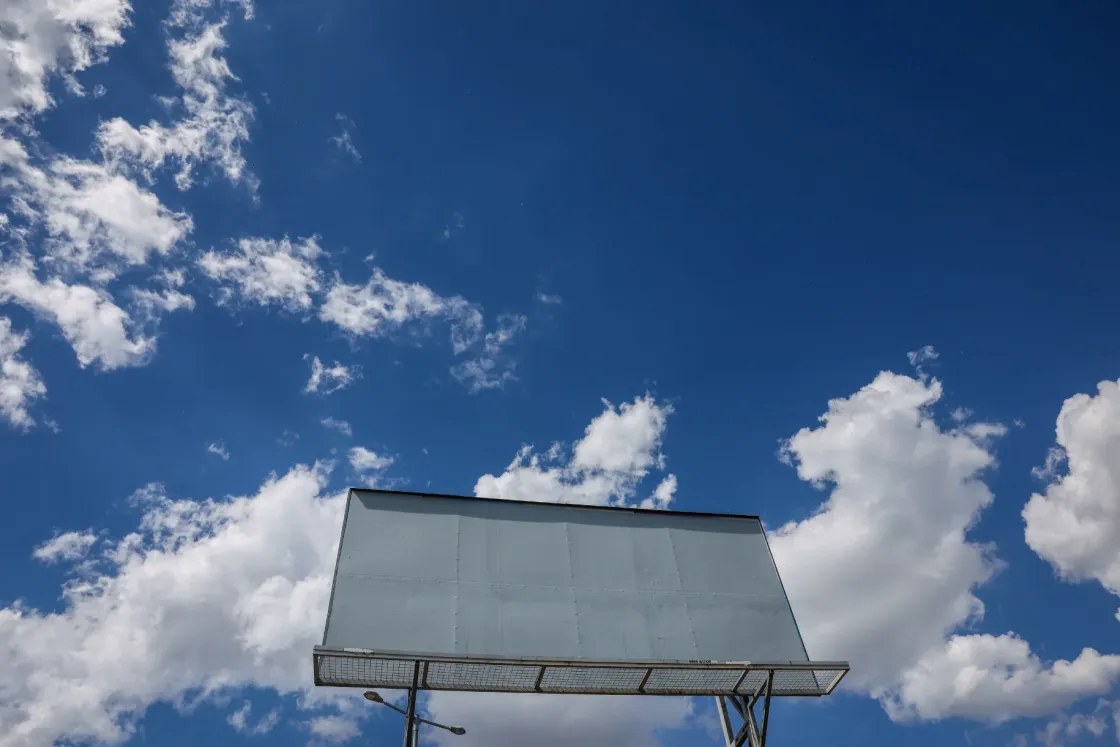




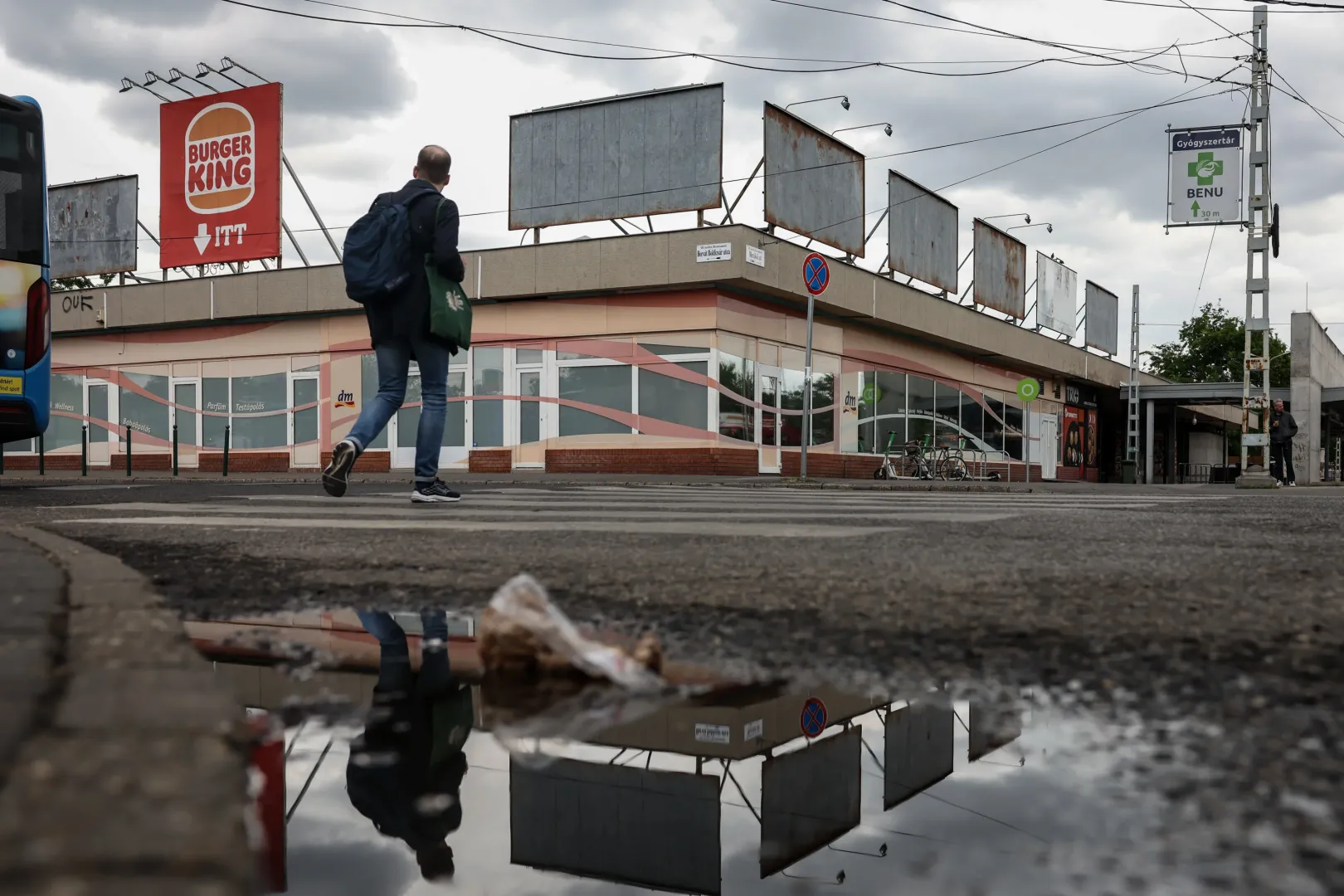
“Let's stop Brussels!”, “Let’s send a message to Brussels so they understand!”, “The Brussels sanctions are ruining us” – these are some of the messages Hungarians have constantly been bombarded with over the past decade in Budapest and throughout the country. The huge billboards—funded by billions of forints in public funds— aiming to manipulate the masses were everywhere: along the highways, in the gardens of private homes, on the walls of ten-story buildings, on the rooftops of shops, and at bus and tram stops. By now, however, they have all but disappeared.
The first blue billboards appeared in Hungary in 2015, when the Orbán government launched a national consultation on the EU’s immigration policy. The move, masterminded by Antal Rogán, who was in charge of government propaganda, paid off, so a year later, in 2016, they began to stir up sentiment against the European Union in earnest. It was then that the propaganda machine’s explicitly anti-Brussels blue billboards first truly flooded the streets of the country.
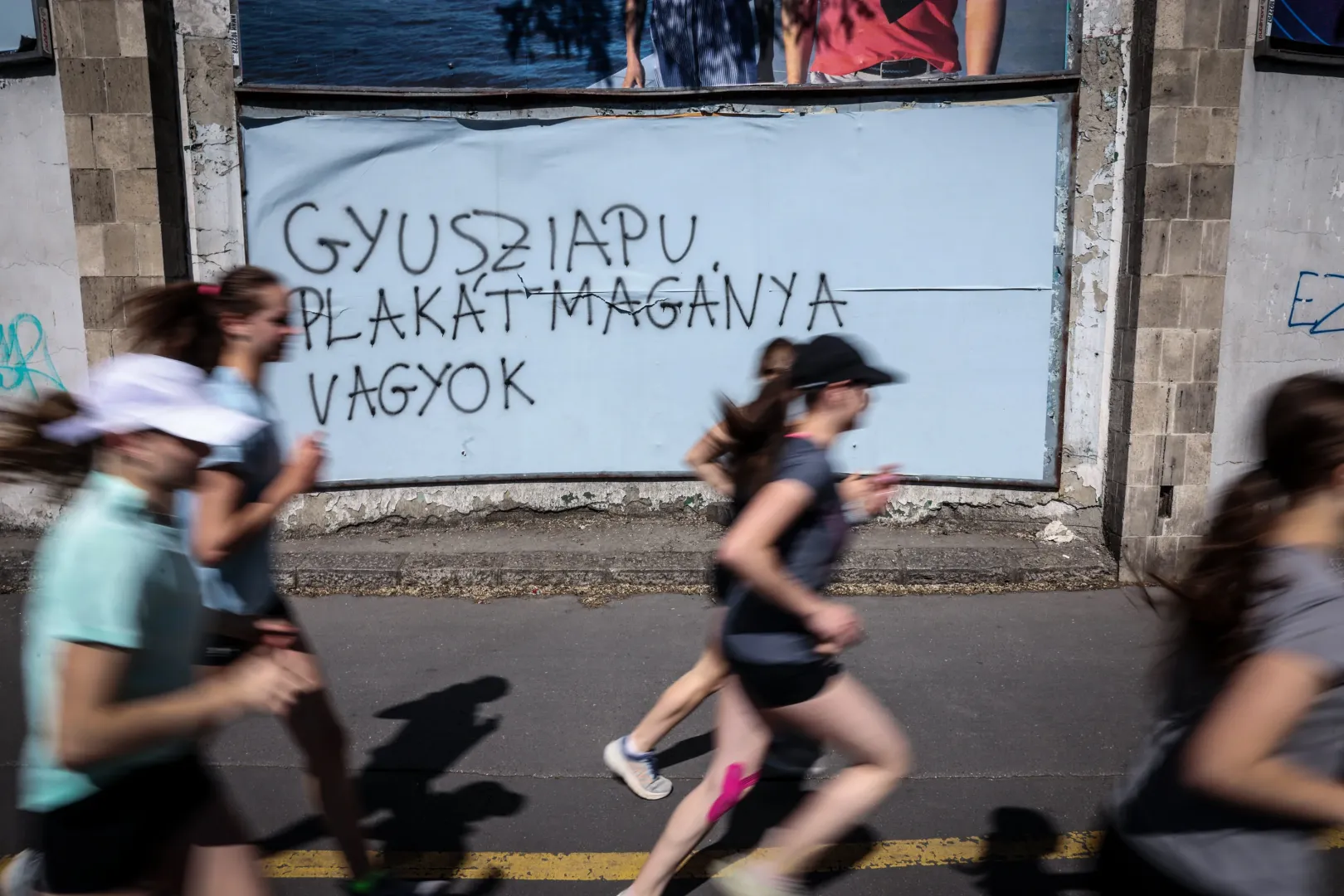
Between 2011 and 2025, Fidesz governments held a total of 15 national consultations, and since 2016 there has always been at least one enemy (but there have often been more) against whom, according to government propaganda, we had to defend ourselves—because if we didn’t, they would destroy us. First it was George Soros, then the streets were flooded with images of Jean-Claude Juncker, the former president of the European Commission. Then came a whole string of leaders portrayed as villains, featured on the giant billboards: Ursula von der Leyen, George Soros’ son Alex Soros, Ferenc Gyurcsány, Klára Dobrev, Gergely Karácsony, Volodymyr Zelenskyy, and of course Péter Magyar. Most of the billboards featuring their faces have by now been removed, but the messages and the anxiety they generated have left a mark on the collective consciousness of Hungarian society. The now empty, white surfaces have been inspiring the man in the street. Who might the anonymous artist have been thinking of when he created “Gyusziapu”? (Gyuszi is usually the nickname for the first name Gyula. The graffiti on the above billboard says: “I am the loneliness of Daddy Gyuszi’s billboard”-TN)
The majority of the public procurement bids for the billboards were won by the companies of Gyula Balásy—the NER’s favorite figure when it came to getting their message out to the people, so it was no wonder that they quickly established a monopoly in the market. Following the change of government on 12 April, Balásy gave a tearful interview to Kontroll , claiming that they were just providing a service and they had nothing to do with the actual messages on the billboards. It is primarily due to these billboard campaigns that Gyula Balásy has amassed a fabulous fortune which was valued at 79 billion forints (nearly 220 million euros) in 2025.
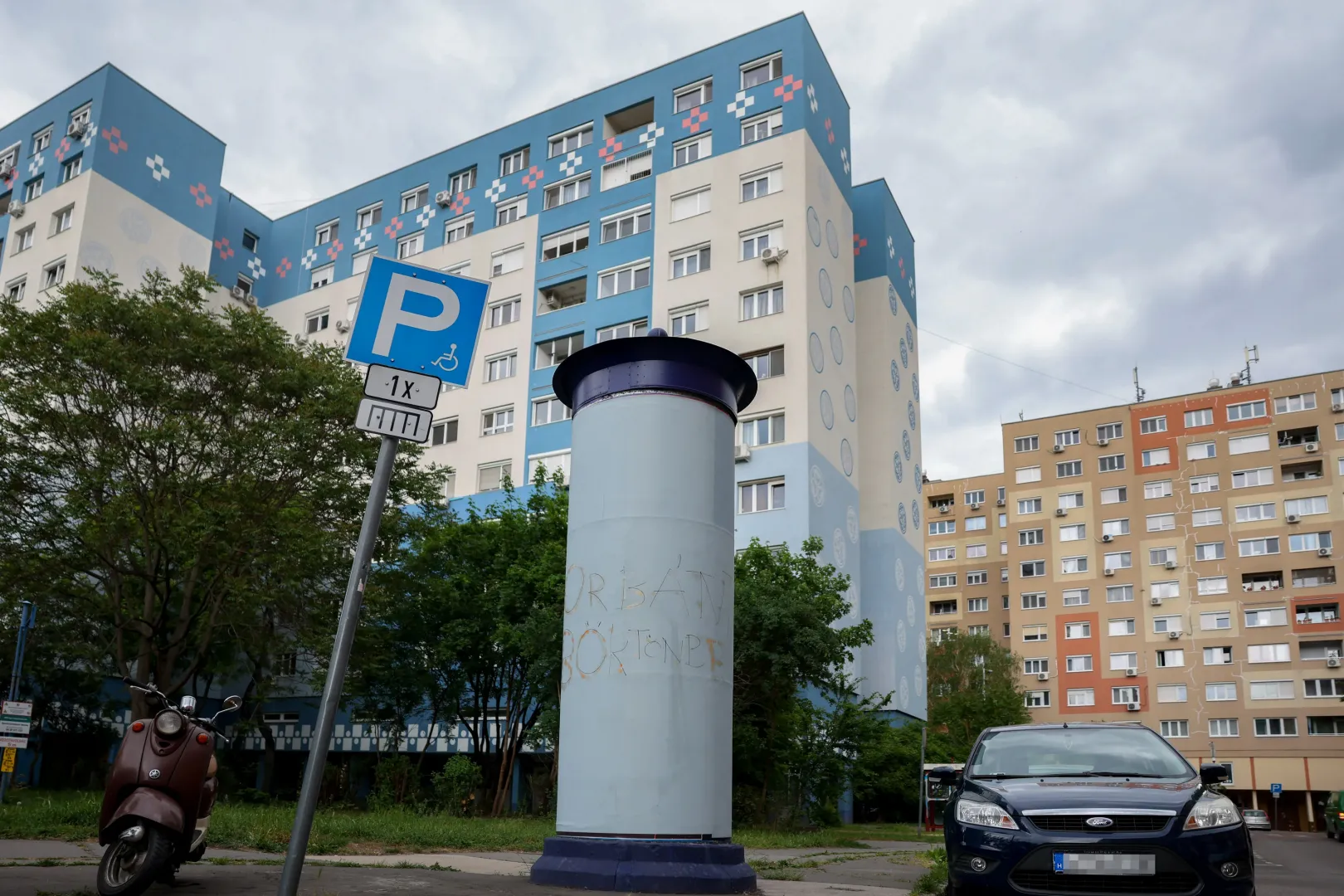
With each year, the blue billboard campaigns grew more expensive; while in the early 2010s, each one cost around one billion forints, costs began to spiral out of control beginning with the 2017 “Let's stop Brussels!” campaign: between 2023 and 2025, the cost of each one consistently exceeded 10 billion forints. The Orbán governments did not publicly disclose the costs of the billboard campaigns, so independent journalists attempted to uncover their costs through public interest data requests and their own calculations.
Starting in 2015, the government began stipulating conditions for public communications contracts so that very few Hungarian media agencies would be able to meet them. According to Átlátszó’s summary in 2024, Gyula Balásy’s two companies, New Land Media and the Lounge Group have secured government contracts worth 293.7 billion forints until then.
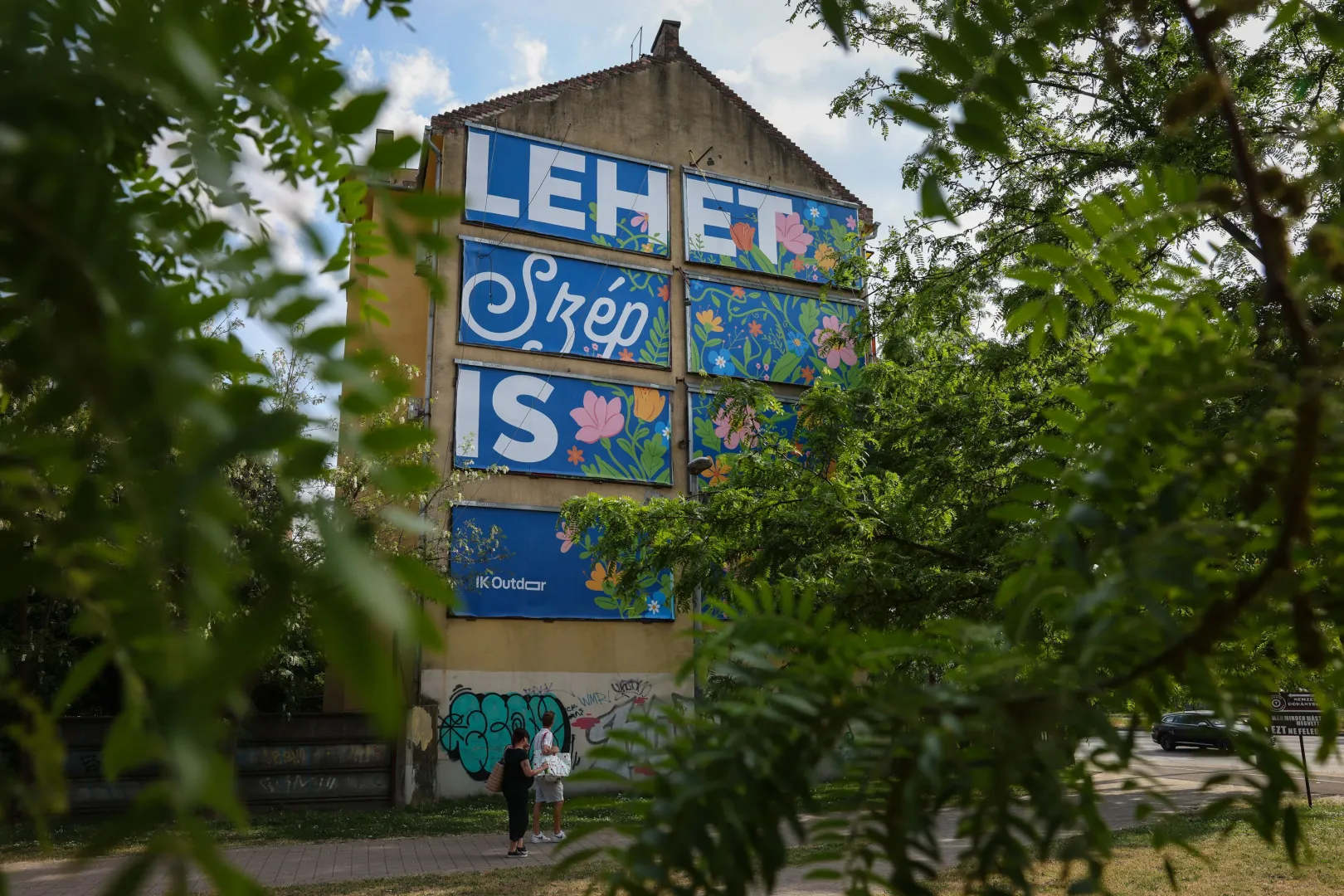
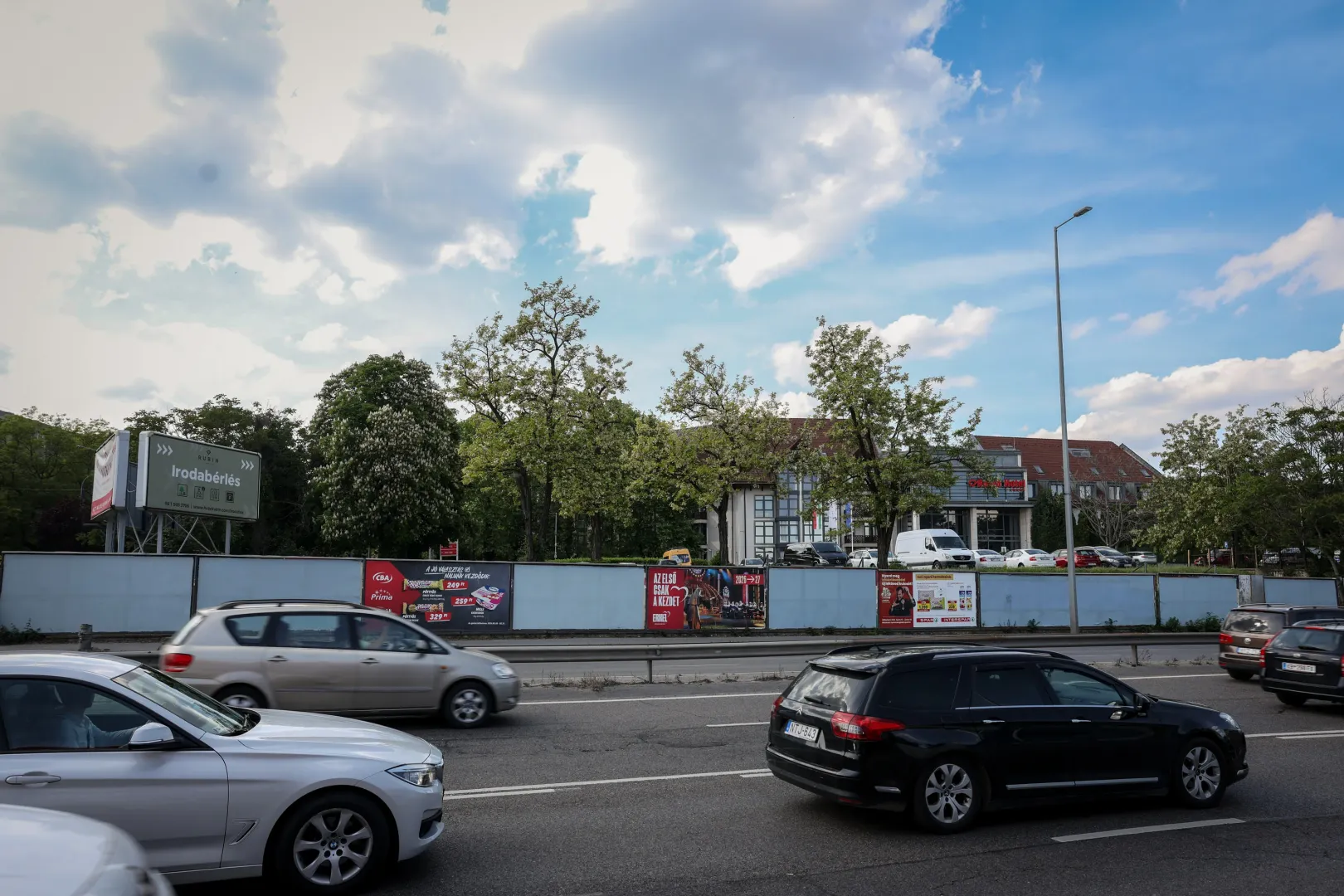
A few weeks ahead of the April election, Fidesz advertised the Voks 2025 opinion survey on eight giant billboards placed side by side on the firewall of a house on Budapest’s Szentendrei út. Six times in a row, passersby could read, “Don’t let them decide over our heads!” Since then, these billboards have disappeared without a trace, and the new ones are conveying a completely different message.
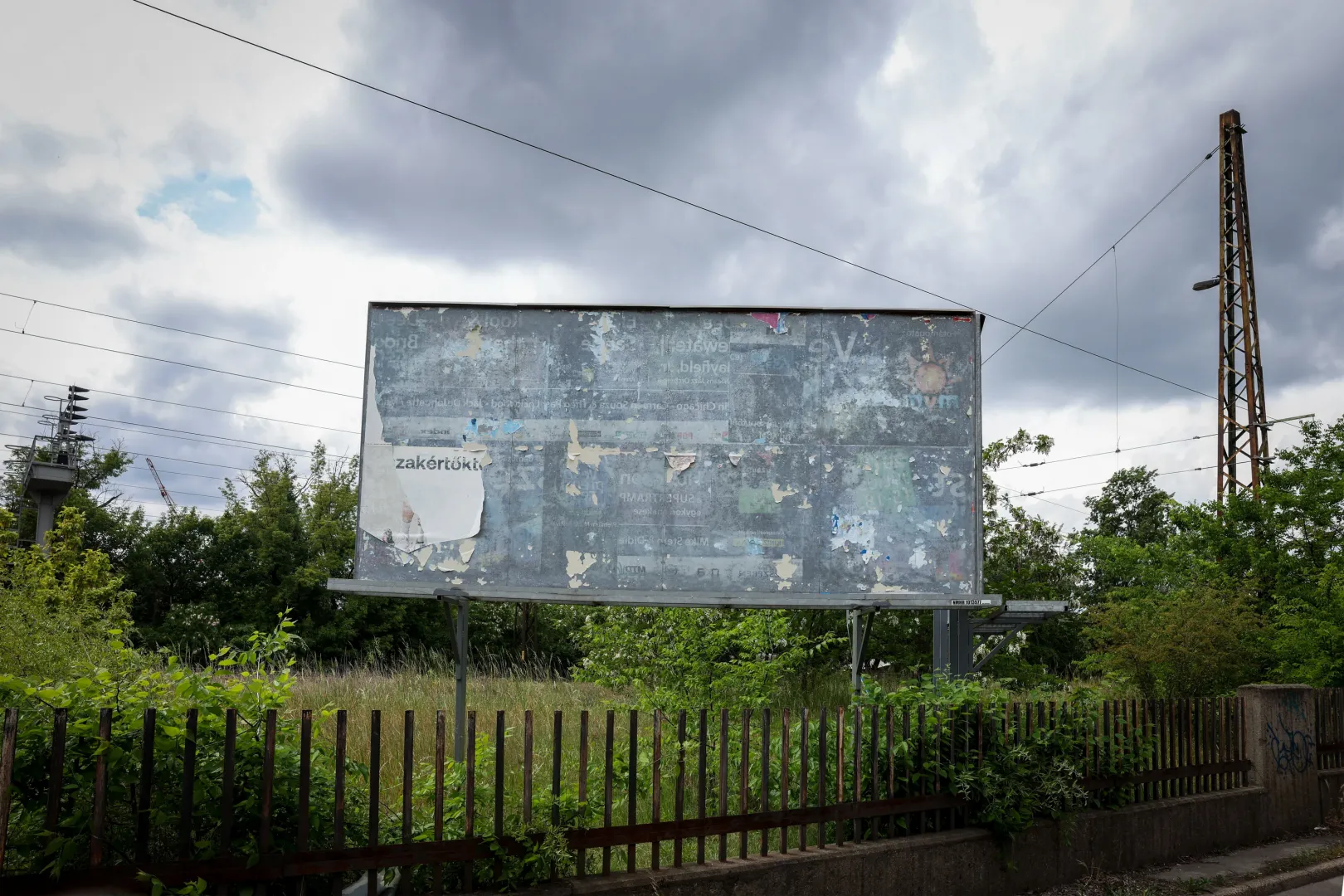
Last week, as he was leaving the venue of the government handover ceremony, Viktor Orbán’s propaganda minister, Antal Rogán, said that he didn't think there was anything wrong with the blue posters or their messages. He didn’t mind the posters depicting Brussels sanctions as bombs, nor the countless warnings saying: “This is dangerous!” and he also found no fault with the ones that simply said: WAR. According to the outgoing propaganda minister, genuine threats must be presented realistically.
Rogán, didn’t see a problem with the cost of the billboards either, and said that Balásy’s companies did not generate much higher profits than anyone else in the market because their contracts were overpriced, but because they secured more high-volume orders; in his opinion, their profit margins were in line with industry standards.
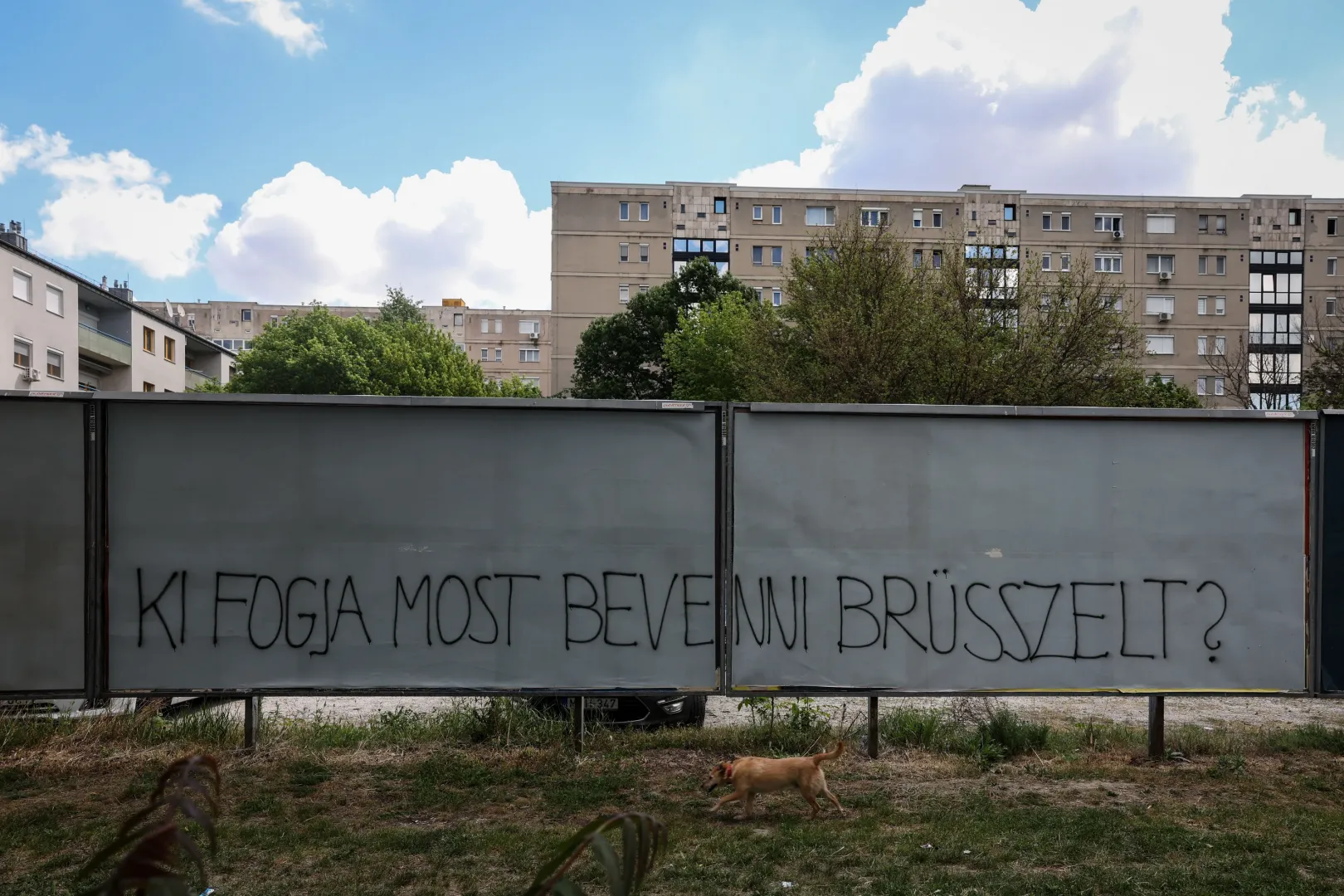
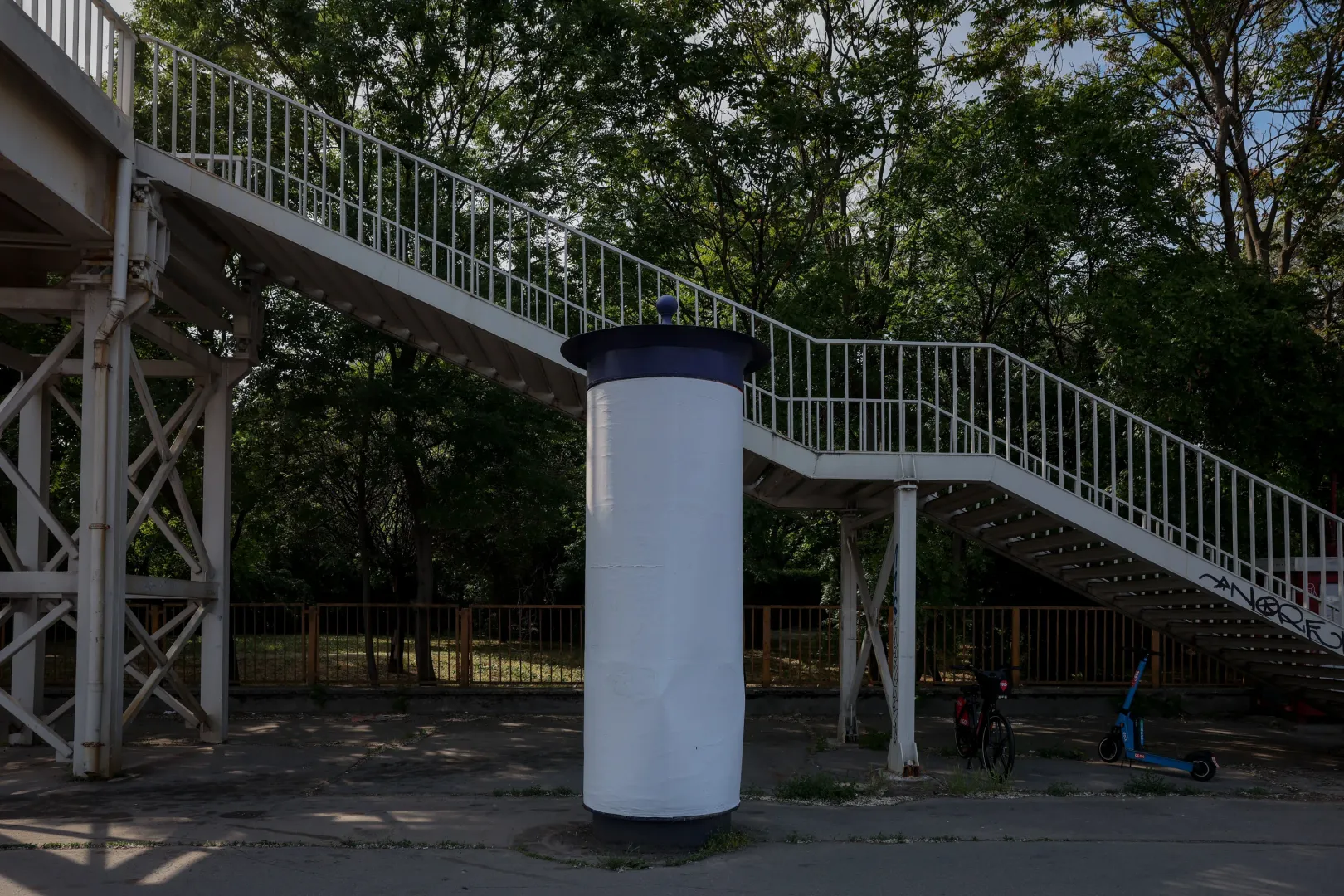
Last Thursday, after six years, the state of danger ended in Hungary; the blue billboards that used to dominate the streets have been taken down or are gradually being removed, leaving empty spaces in their place. Some find this void inspiring, so every now and then one comes across a message on the all-white surface of a billboard asking a provocative question, such as “Who’s going to take Brussels now?” Viktor Orbán’s call from two years ago has now become irrelevant; there is no need for anyone to “take Brussels". Péter Magyar’s government communicates with the EU leadership in a completely different way from what we have seen before. Foreign Minister Anita Orbán, for example, put it this way during her confirmation hearing: “We have been caught between the spokes too often, and too rarely have we served as one of the spokes in the wheel.”