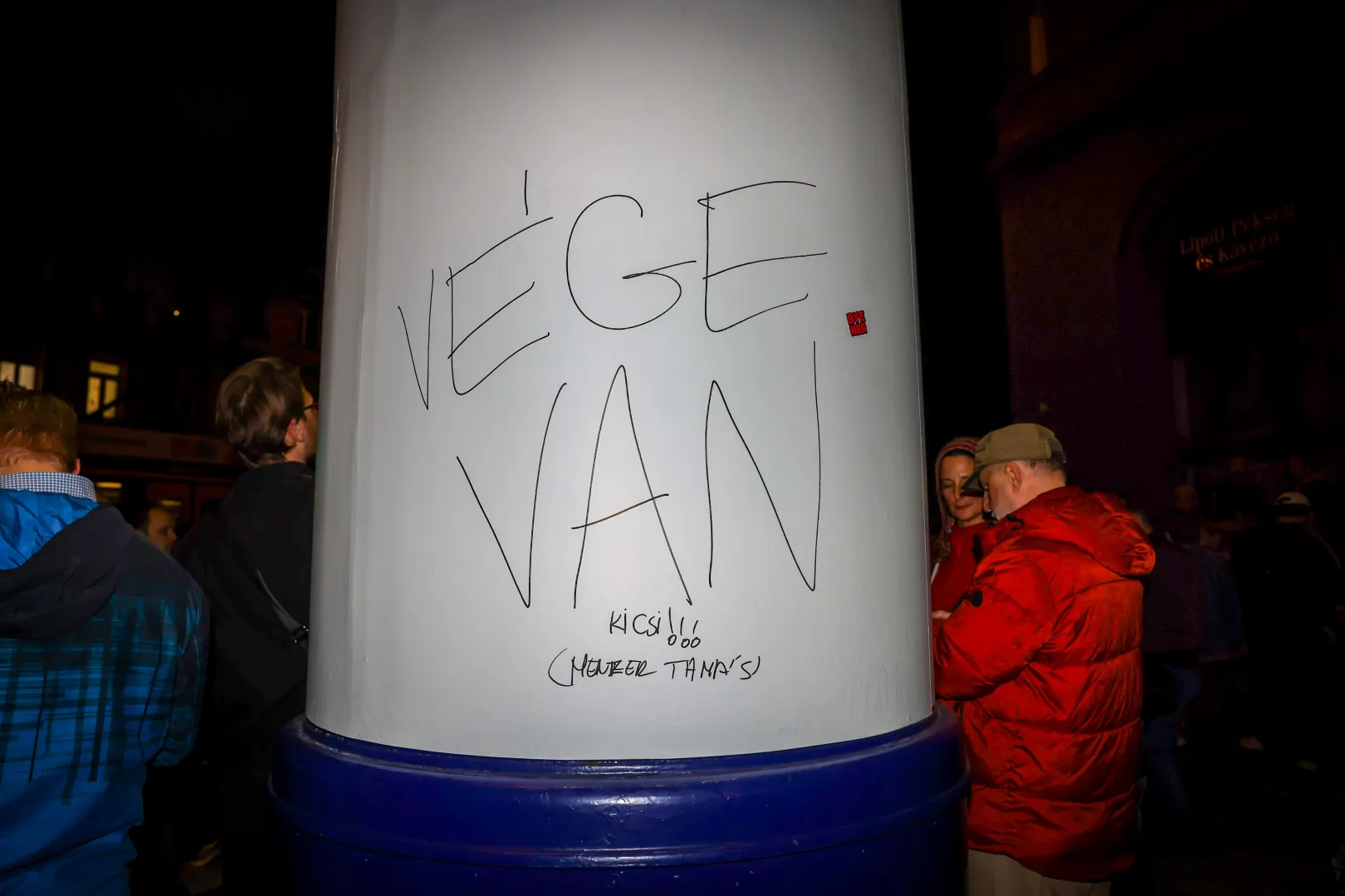
The day the Tisza Party swept away Viktor Orbán’s 16-year regime





On April 12, 2026, Hungary held its 10th free election, which ended in a landslide victory for the Tisza Party, founded only two years ago. After 16 years in power—almost entirely with a two-thirds majority—Viktor Orbán and Fidesz-KDNP are leaving office; Péter Magyar will almost certainly become prime minister starting in May. Despite all the pre-election noise from Fidesz, election day passed peacefully; there were no incidents, and Hungarians turned out to vote in record numbers, with the final turnout expected to be around 80 percent. This represents a very strong mandate for the next government, which is once again likely to have a two-thirds majority, with more than 3 million voters behind them.
For the smaller parties, however, Sunday was devastating. While far-right Mi Hazánk will likely just barely make it into parliament, they probably expected a better result than this. The Democratic Coalition fared very poorly, receiving just around 1 percent of the vote, and Klára Dobrev has resigned her position as party chair. The Hungarian Two-Tailed Dog Party, meanwhile, fell below the 1 percent threshold, so they will now have to start thinking about how to repay their campaign funding.
Telex photographers documented the exceptionally tense and emotional election day that brought the campaign to a close; now, through the lens of their cameras, here's a review of how Sunday unfolded for Fidesz, Tisza, and the crowds celebrating the end of the Orbán regime.
Fidesz
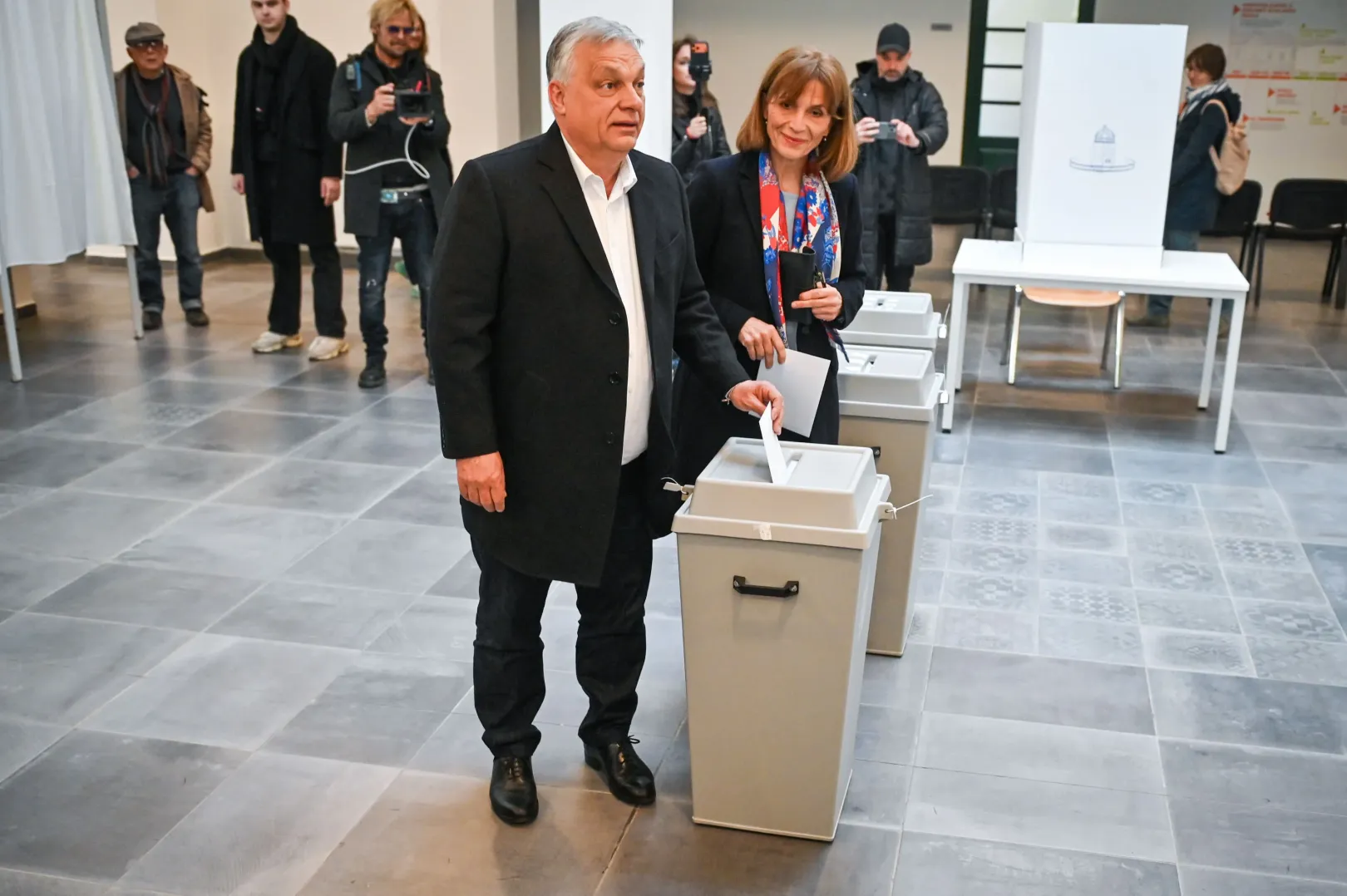
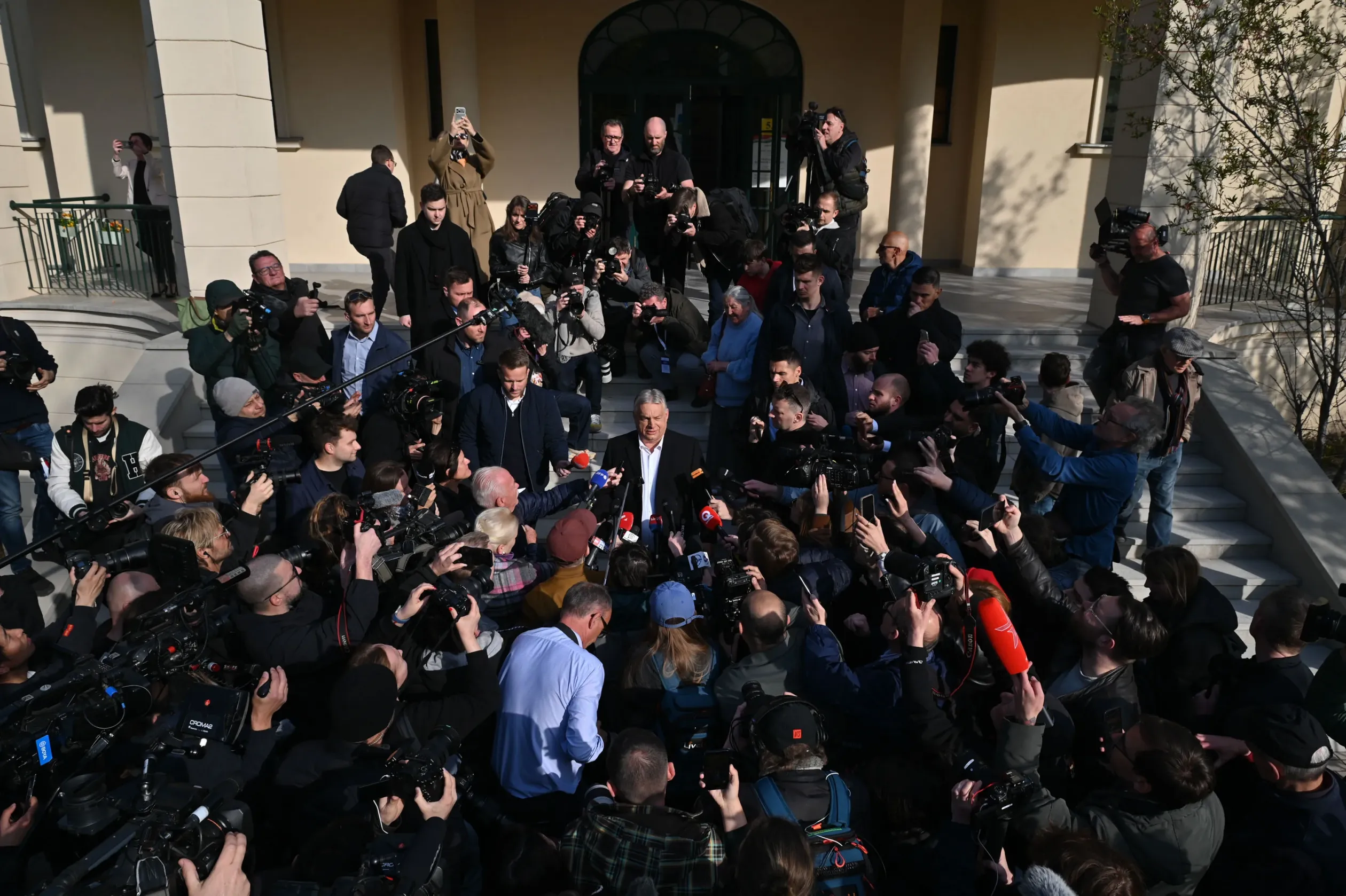
For the Fidesz leadership, the day began in the usual manner seen during so many elections: Viktor Orbán and his wife, Anikó Lévai, cast their ballots in the 12th district, and the Prime Minister made a brief statement to the numerous Hungarian and international media outlets present. Here, he still radiated confidence, saying, “I came here to win.”
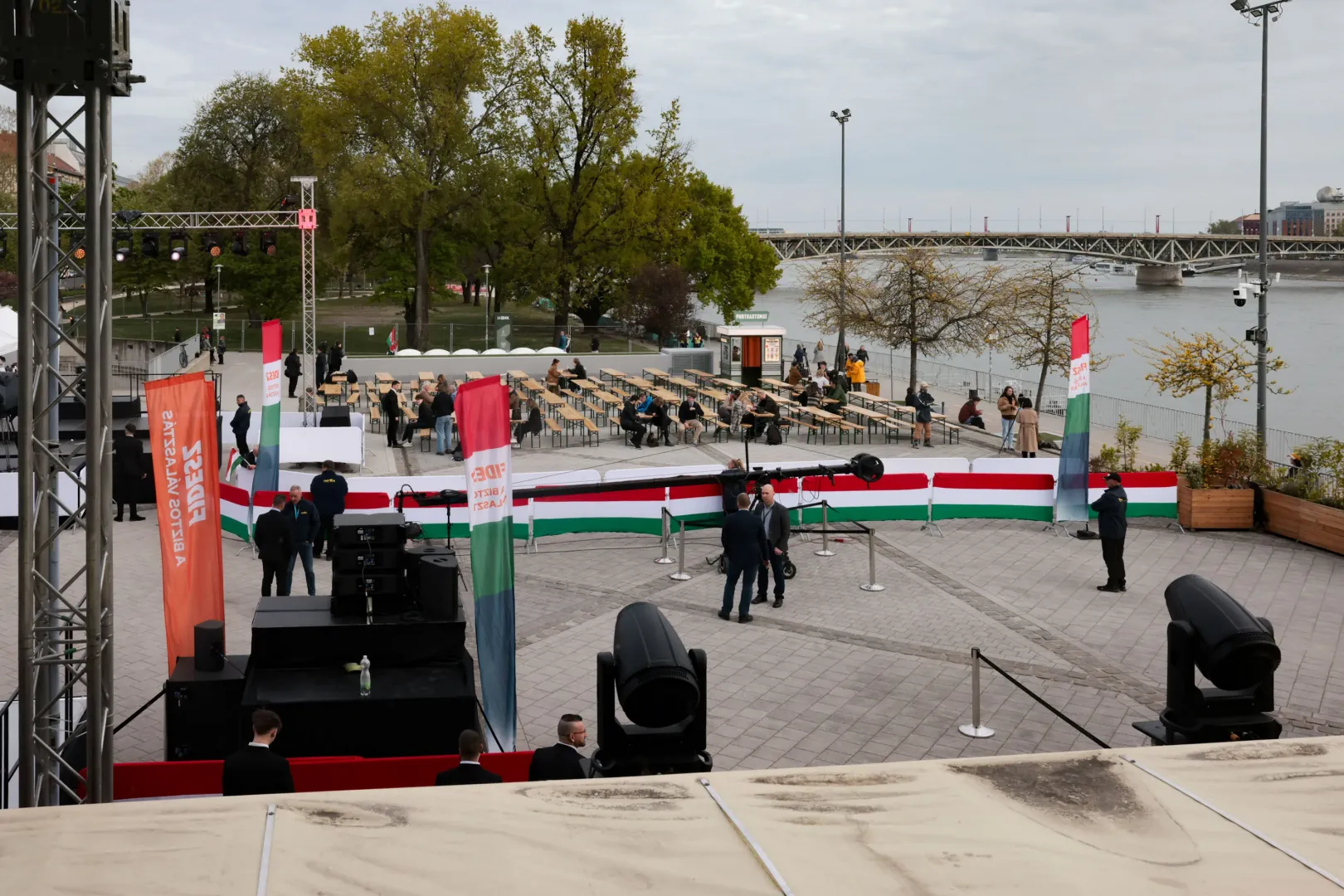
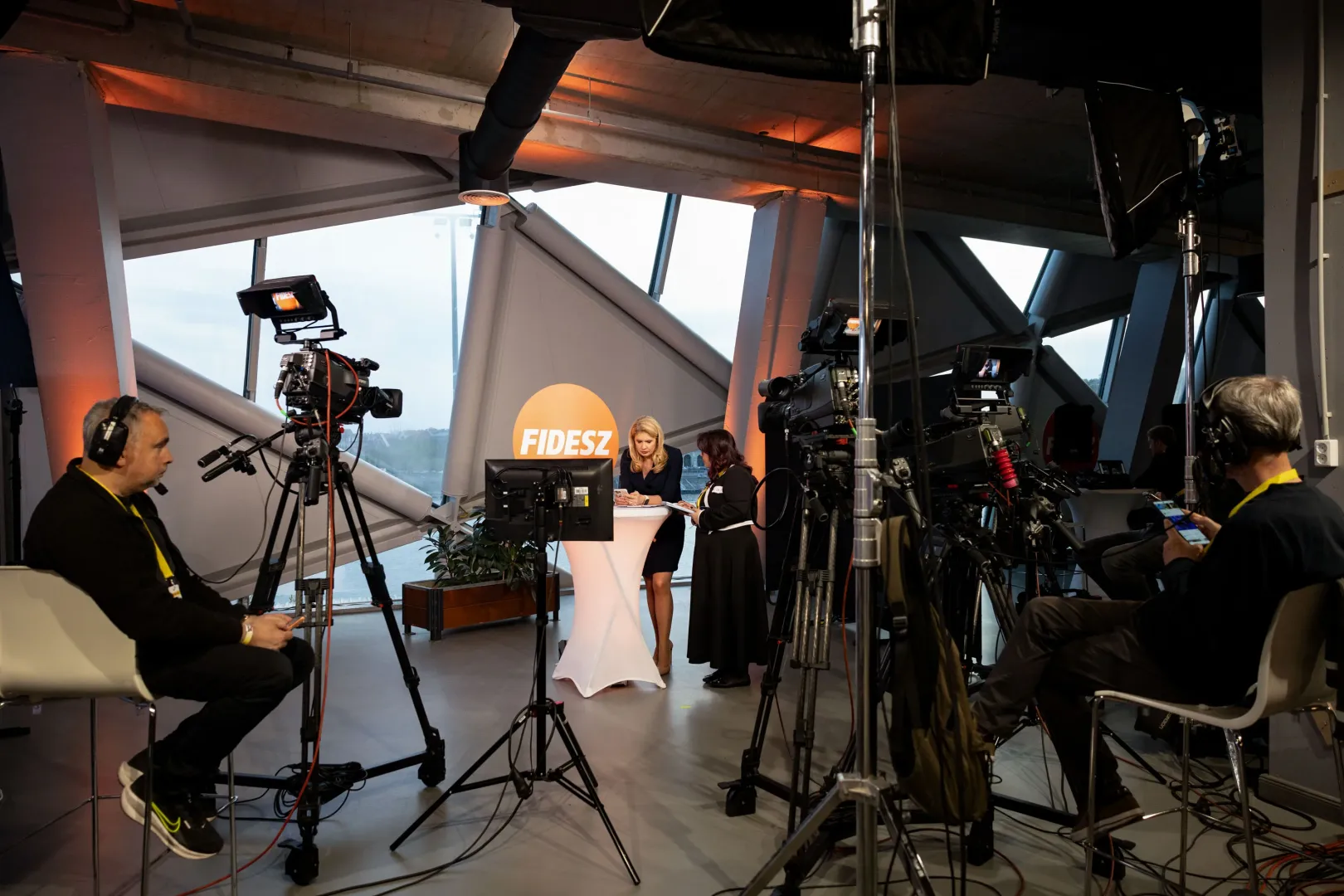
The party traditionally waits for the election results at the Bálna in Budapest, and that was the case this time as well. A relatively small area was set up in front of the building for supporters gathering outside, while inside, the press was kept strictly separated from members of the party, making it difficult to take photos.
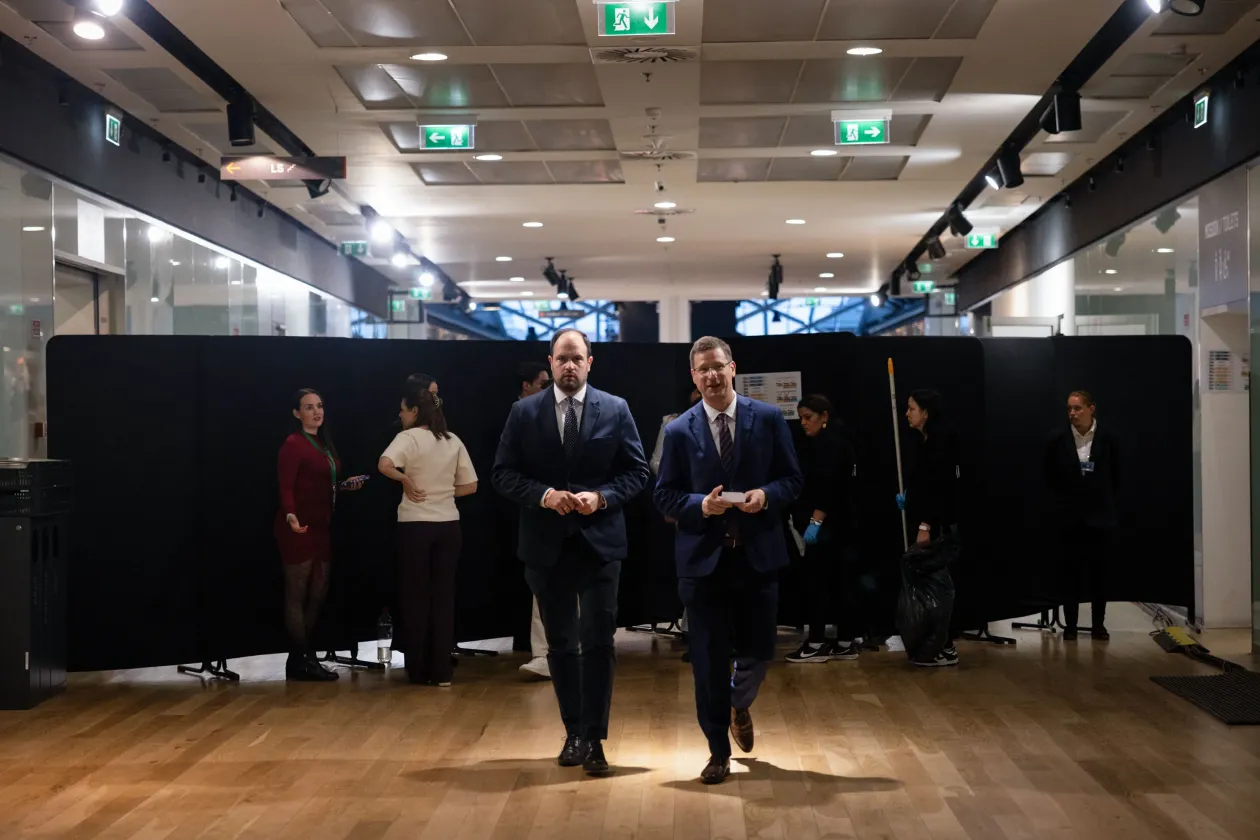
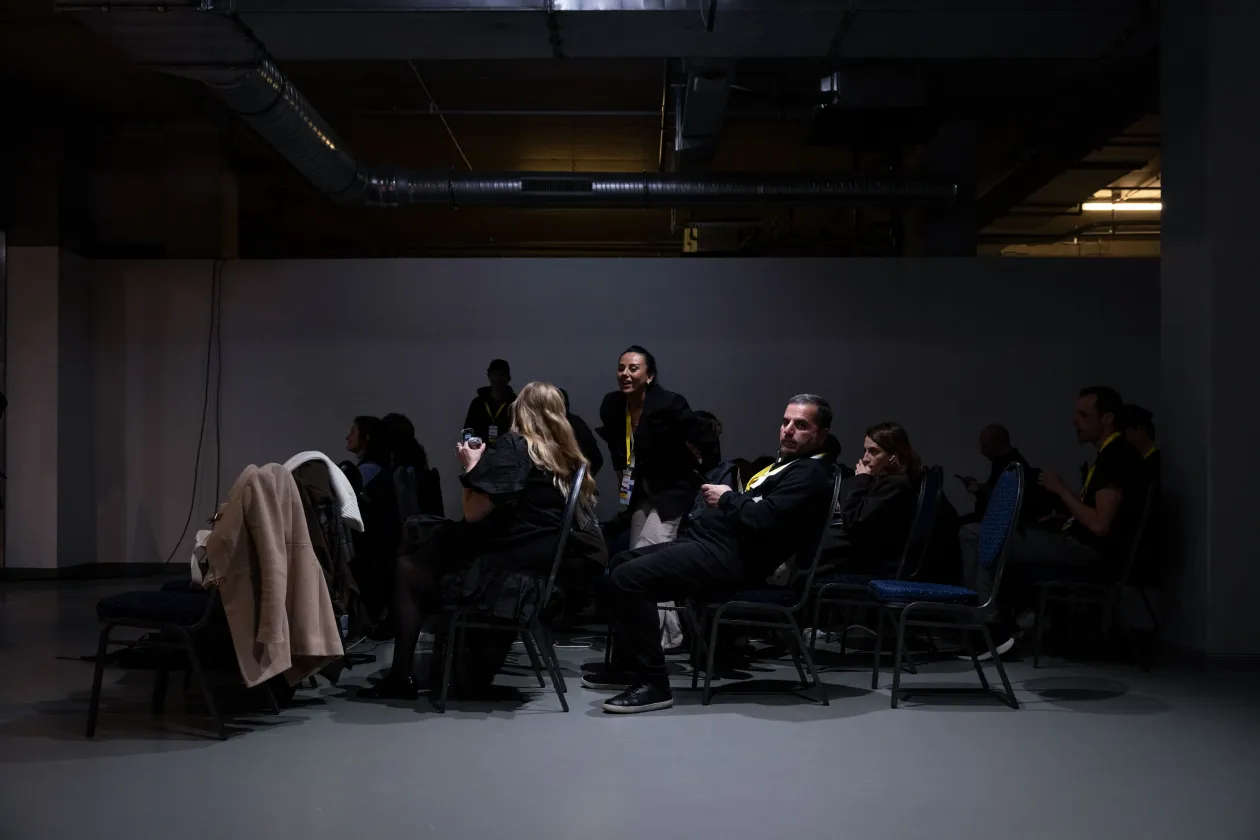
They did not go overboard with communicating with the public; after the polls closed, Gergely Gulyás and Lőrinc Nacsa held a press conference, during which the Minister of the Prime Minister’s Office assured everyone that “this election provided an appropriate framework for the democratic expression of opinion.”
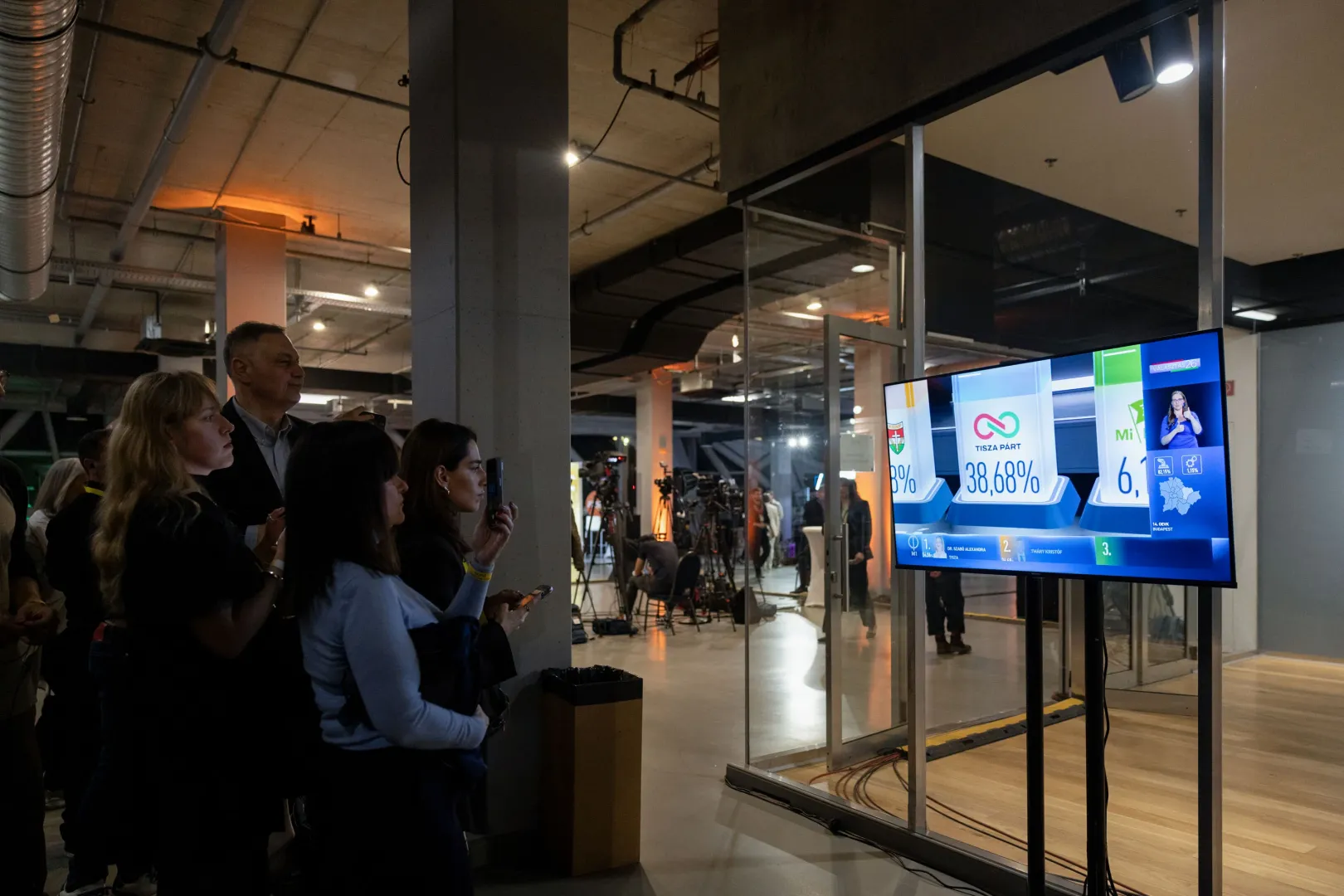
As the results started to come in, the mood among Fidesz supporters quickly turned somber, and the tide shifted in favor of a decisive Tisza victory so quickly, that Viktor Orbán—perhaps to the surprise of many—congratulated Péter Magyar on his victory before 10 p.m.
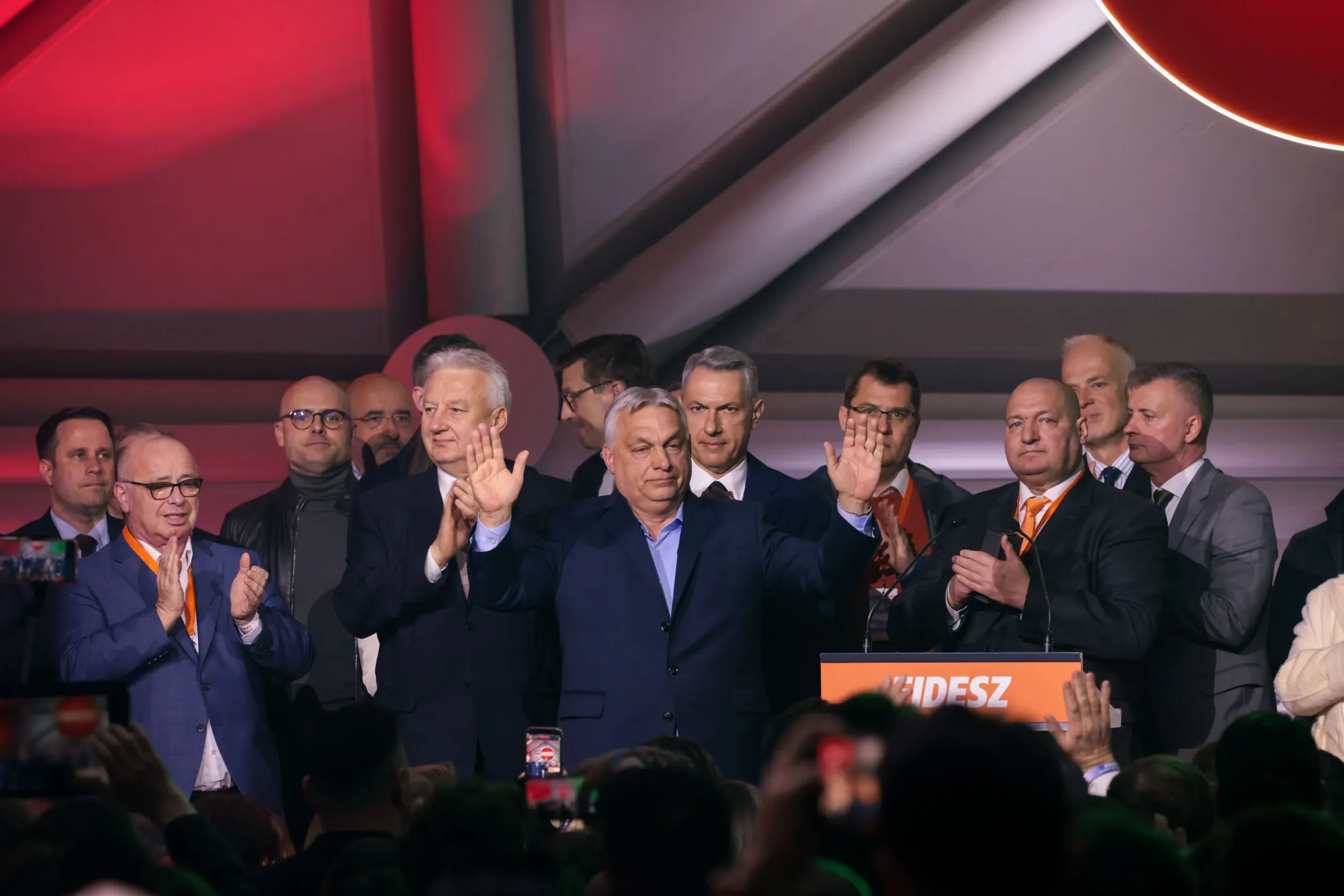
He then gave a brief concession speech inside the buildling, in which he assured his voters that they would continue to serve the country even while in opposition. Not everyone expected to be there was on stage alongside Orbán; for example, we looked in vain for Foreign Minister Péter Szijjártó, whom Orbán had previously described as one of the pillars of the campaign.
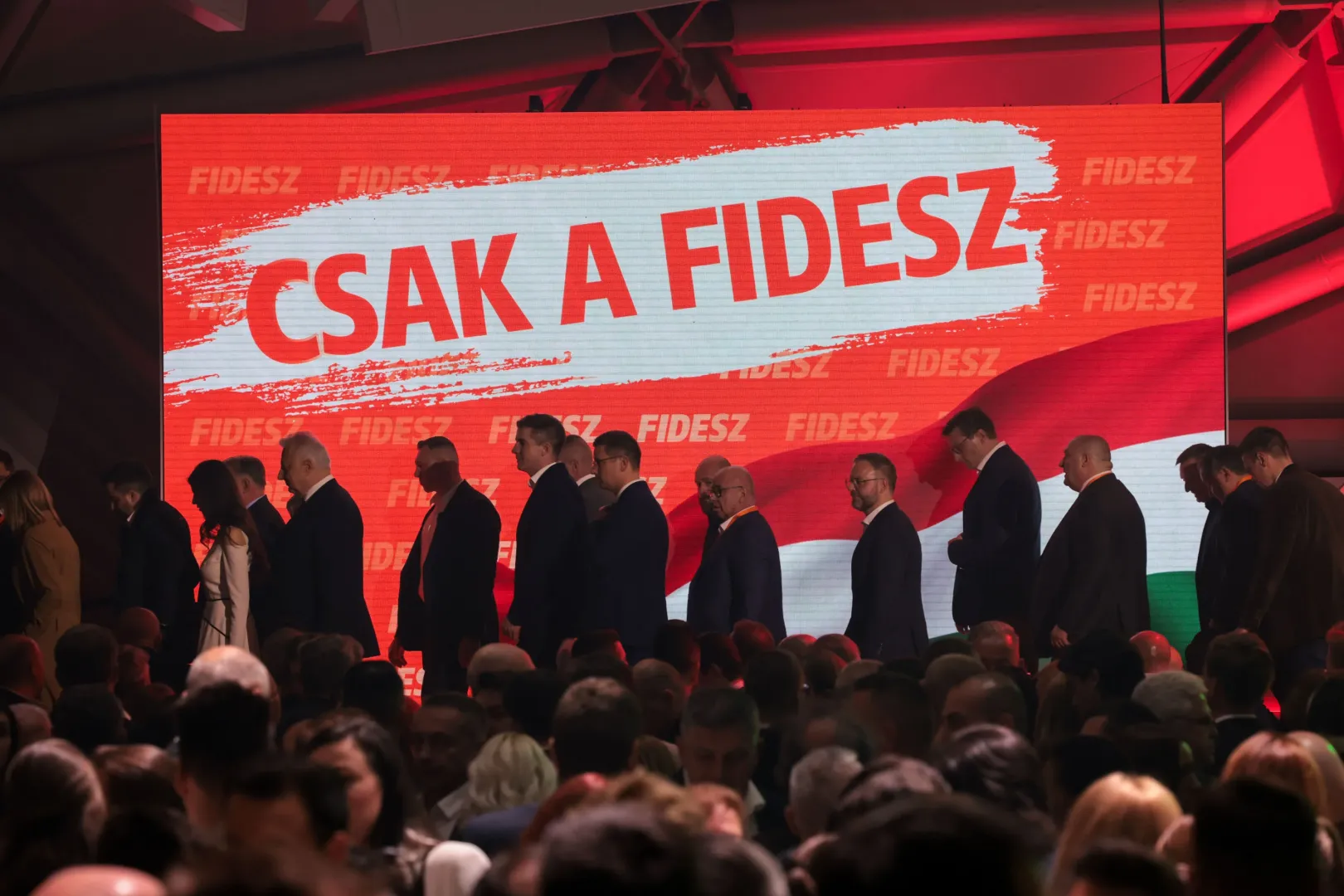
The supporters gathered in front of the building, where the Fidesz leadership had not come out to greet them, were visibly saddened.
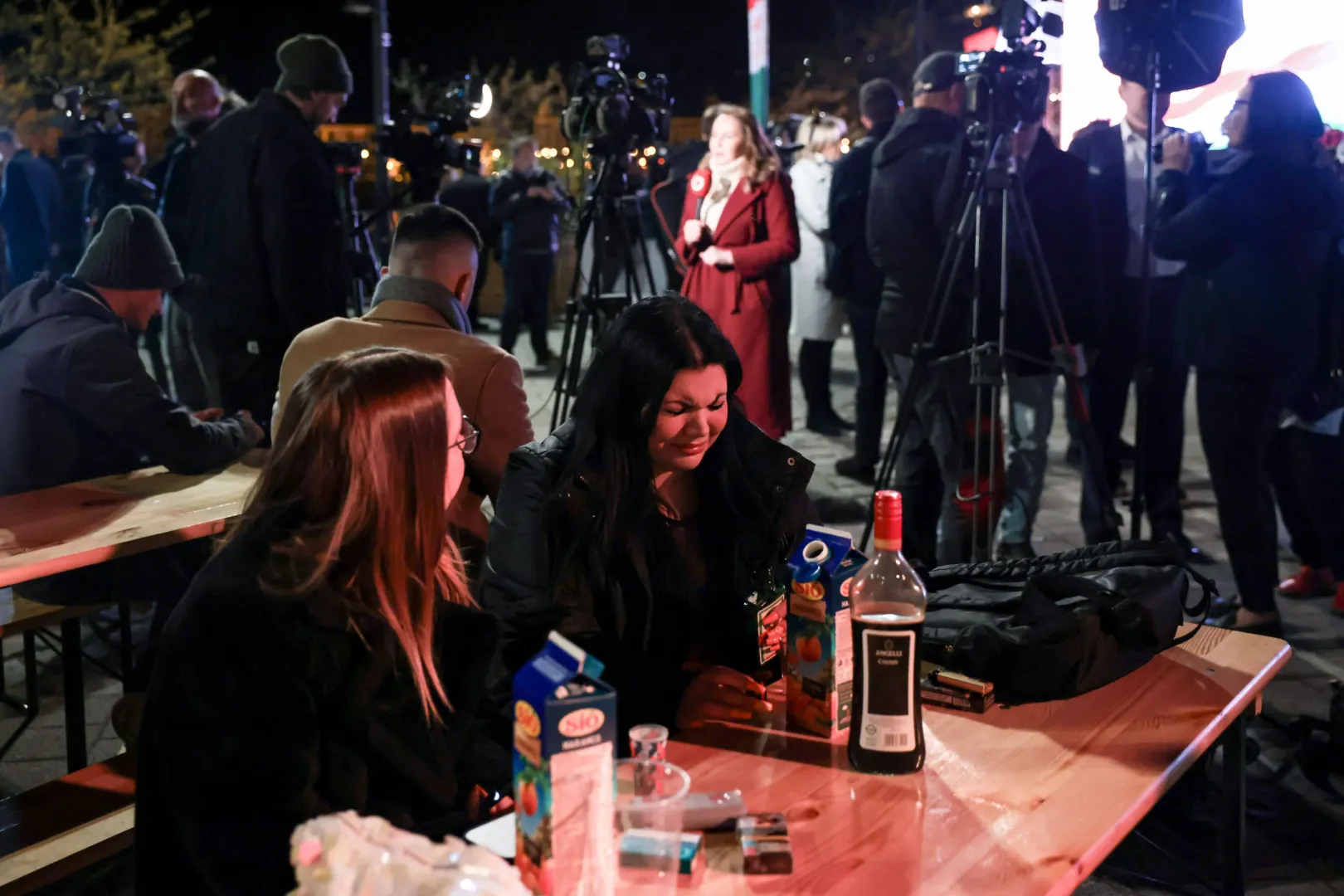
There were many tearful faces among the devastated Fidesz supporters, which is completely understandable given the situation.
After the dismal results had come in, the supporters quickly went home.
Tisza Party
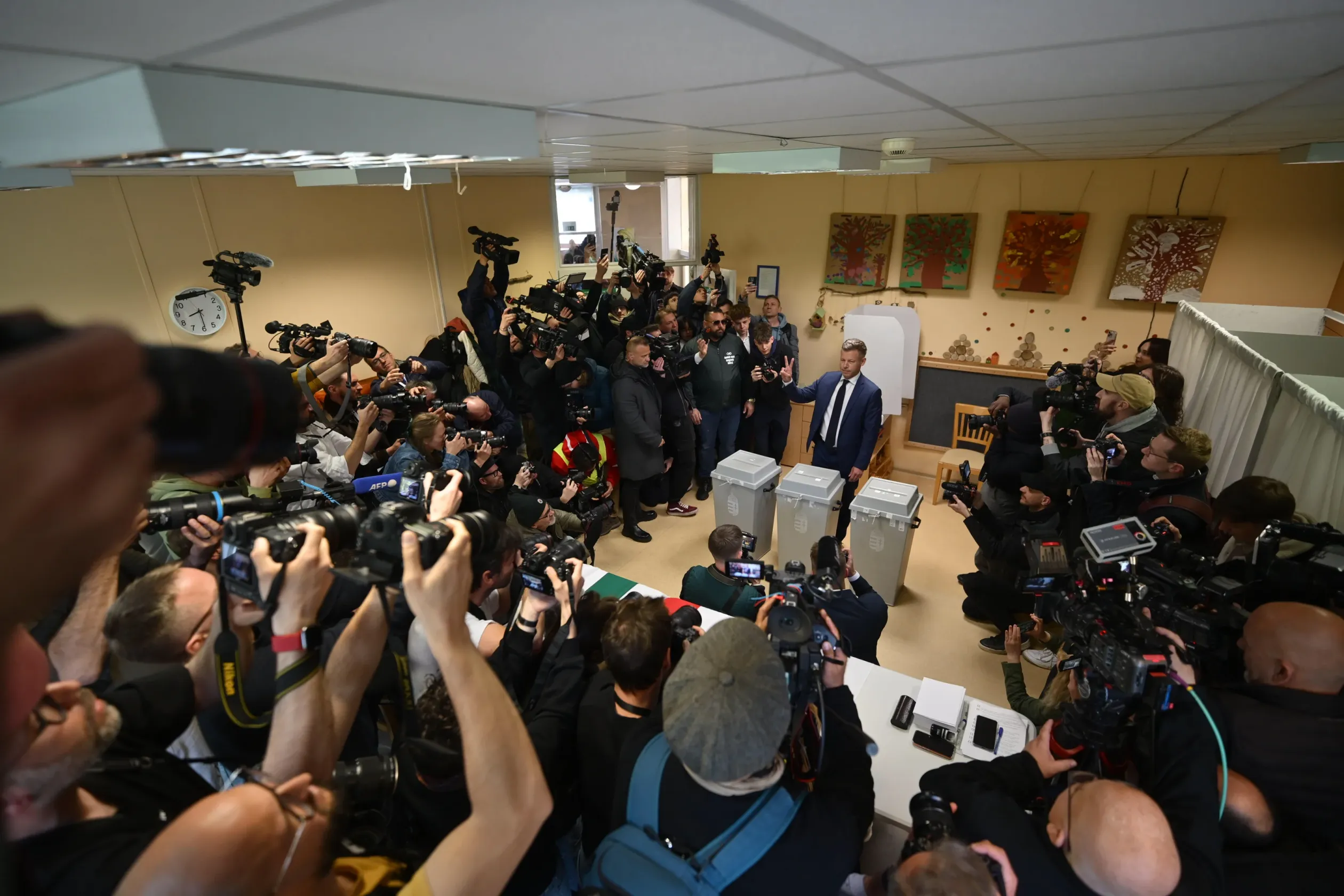
After a similar start to the day for the Tisza Party, the day took a completely different turn. Péter Magyar voted in a polling station quite close to Orbán’s, early in the morning, and told the press that he “expects a very good result” and that once they win, “we will not be a country without consequences.”
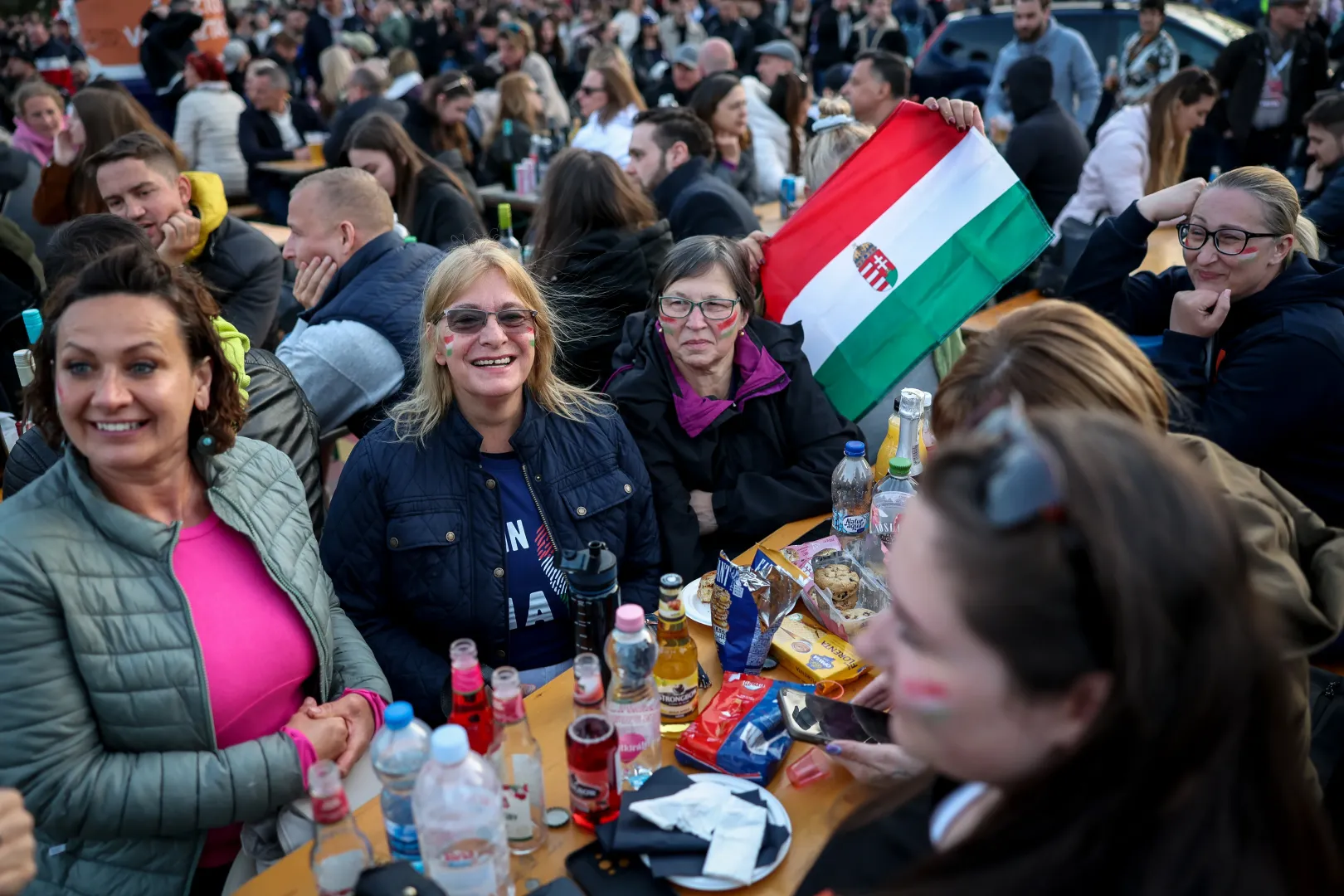
Tisza's election headquarters exuded a completely different atmosphere even during the day, when we only knew the turnout figures: a May Day-like setting had been set up on Batthyány Square, complete with a hot dog stand, draft beer, and booths selling souvenirs in Hungary's national colors. Supporters lined up to have their picture taken with “Ricsi”, the party's Ford Transit that Péter Magyar often used to tour the country in the past two years.
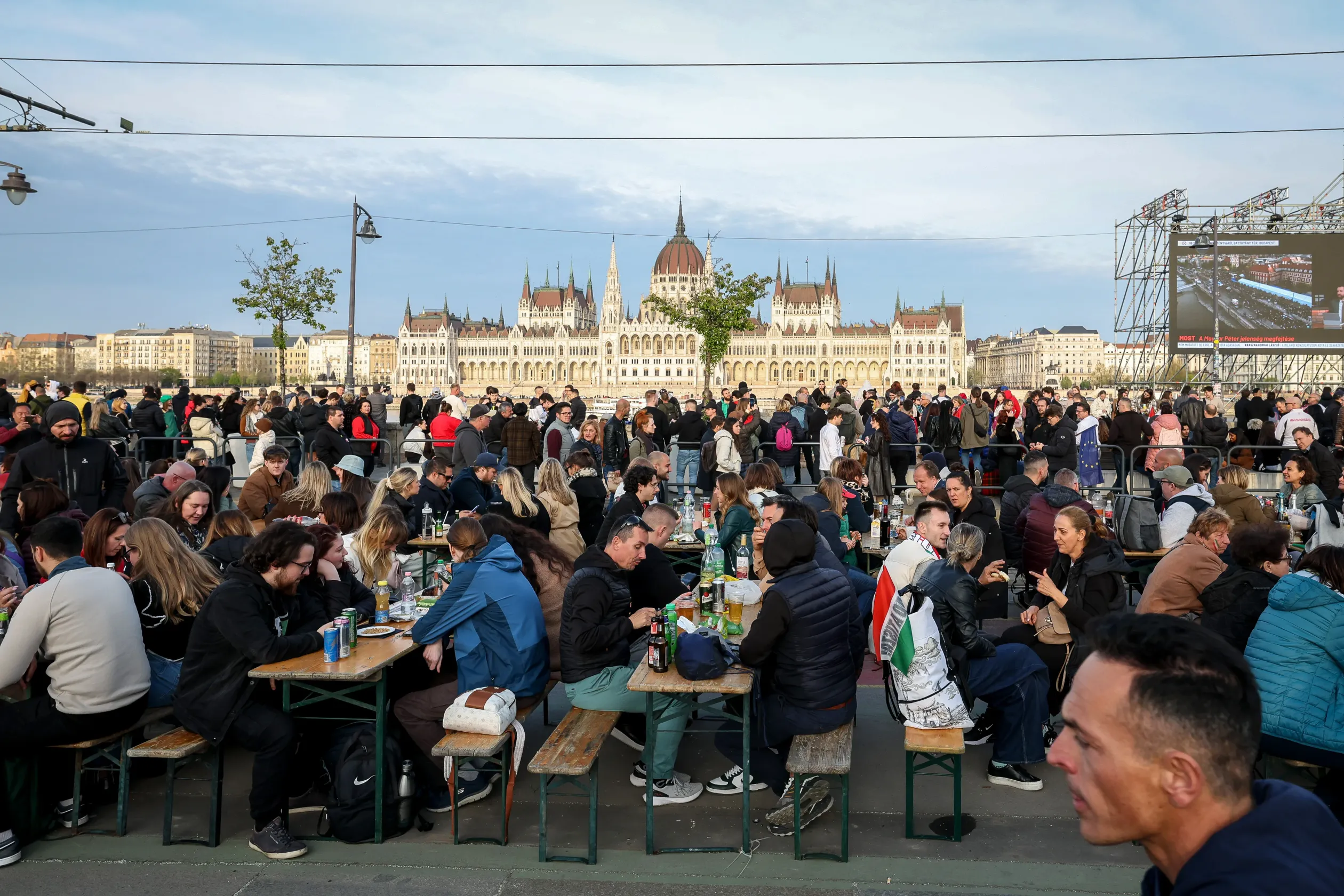
The quayside, lined with beer benches, might as well have been a venue for celebrations on August 20; that was pretty much the atmosphere in the afternoon.
When the results favorable to the party started coming in after 8 p.m., the mood became increasingly relaxed.
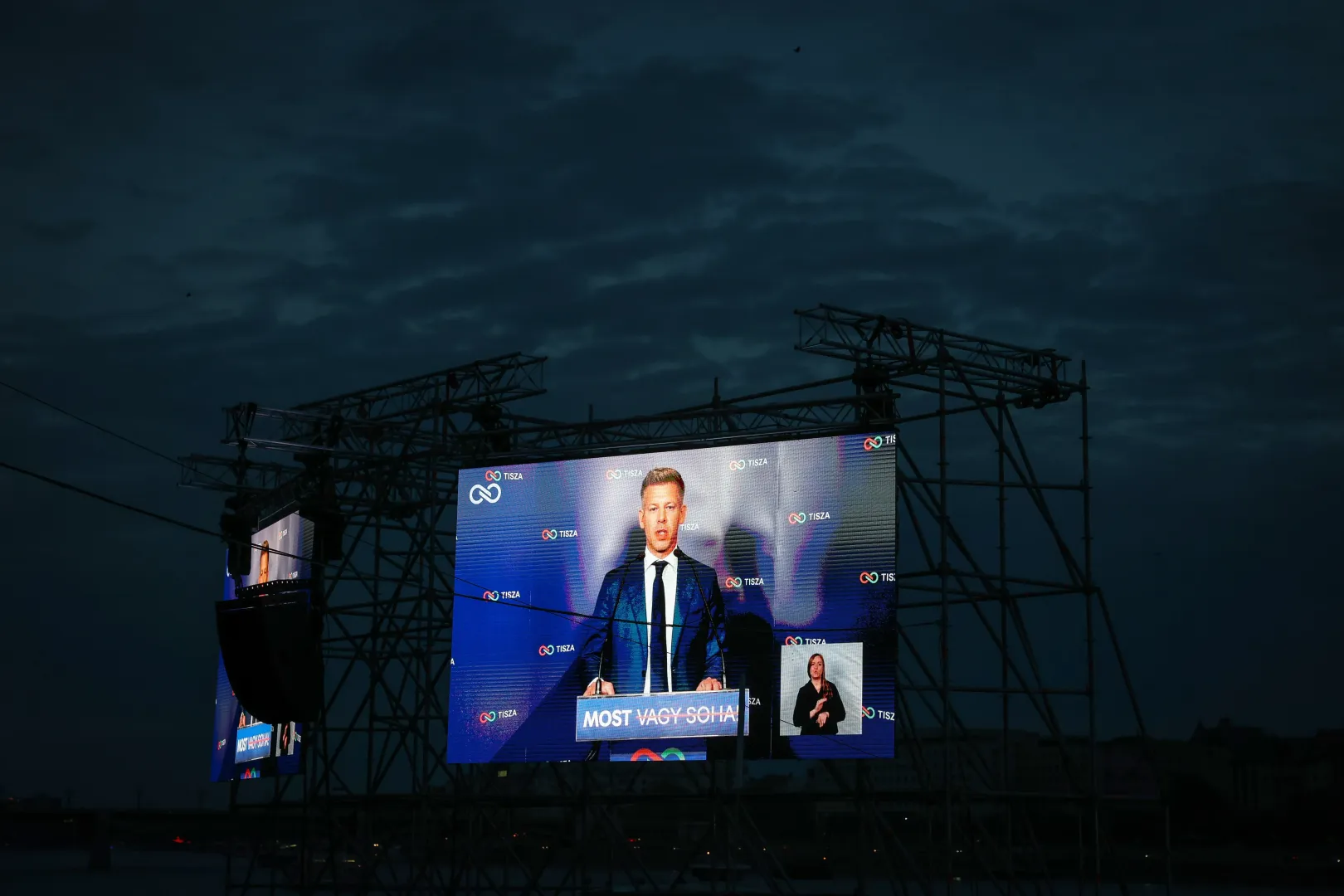
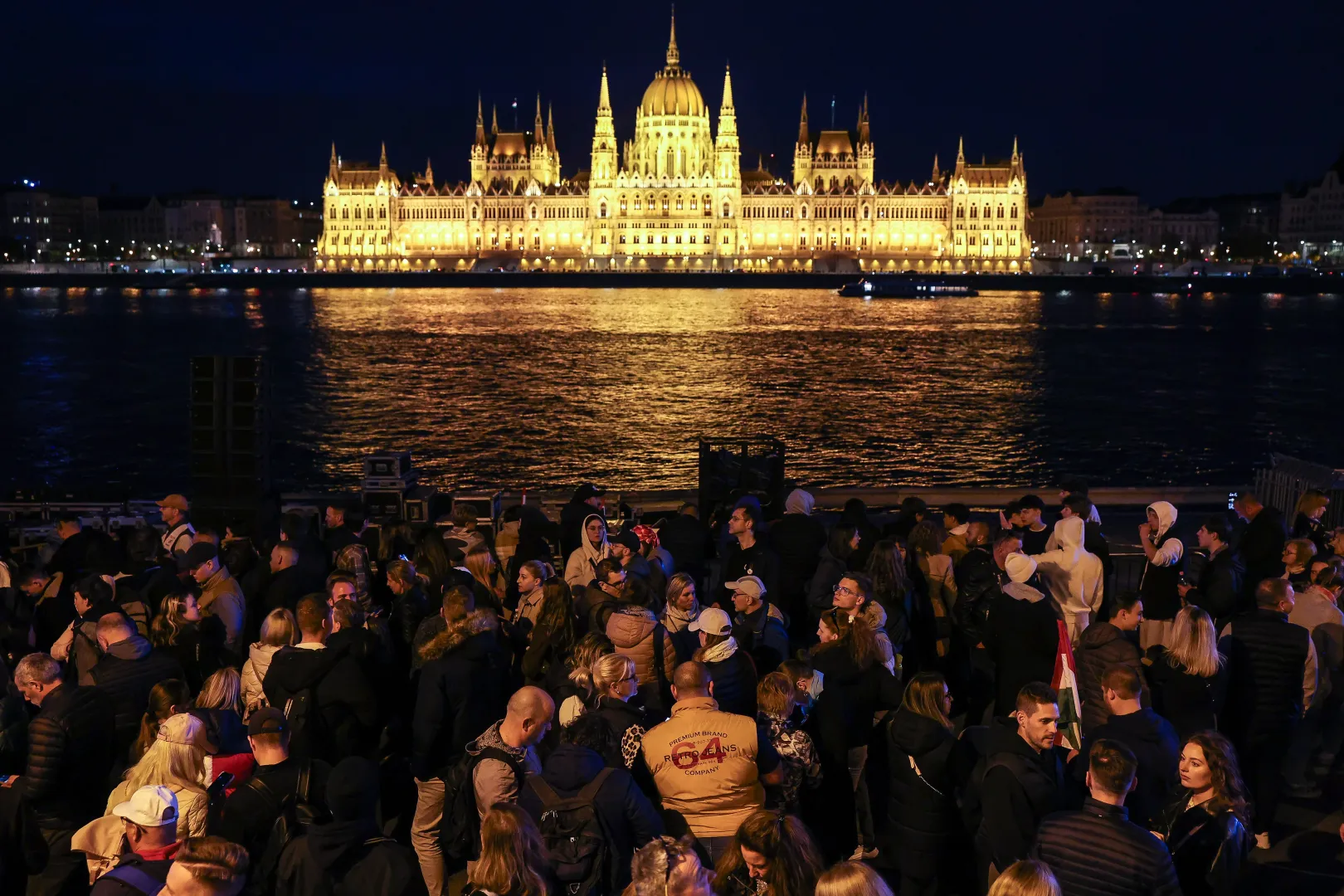
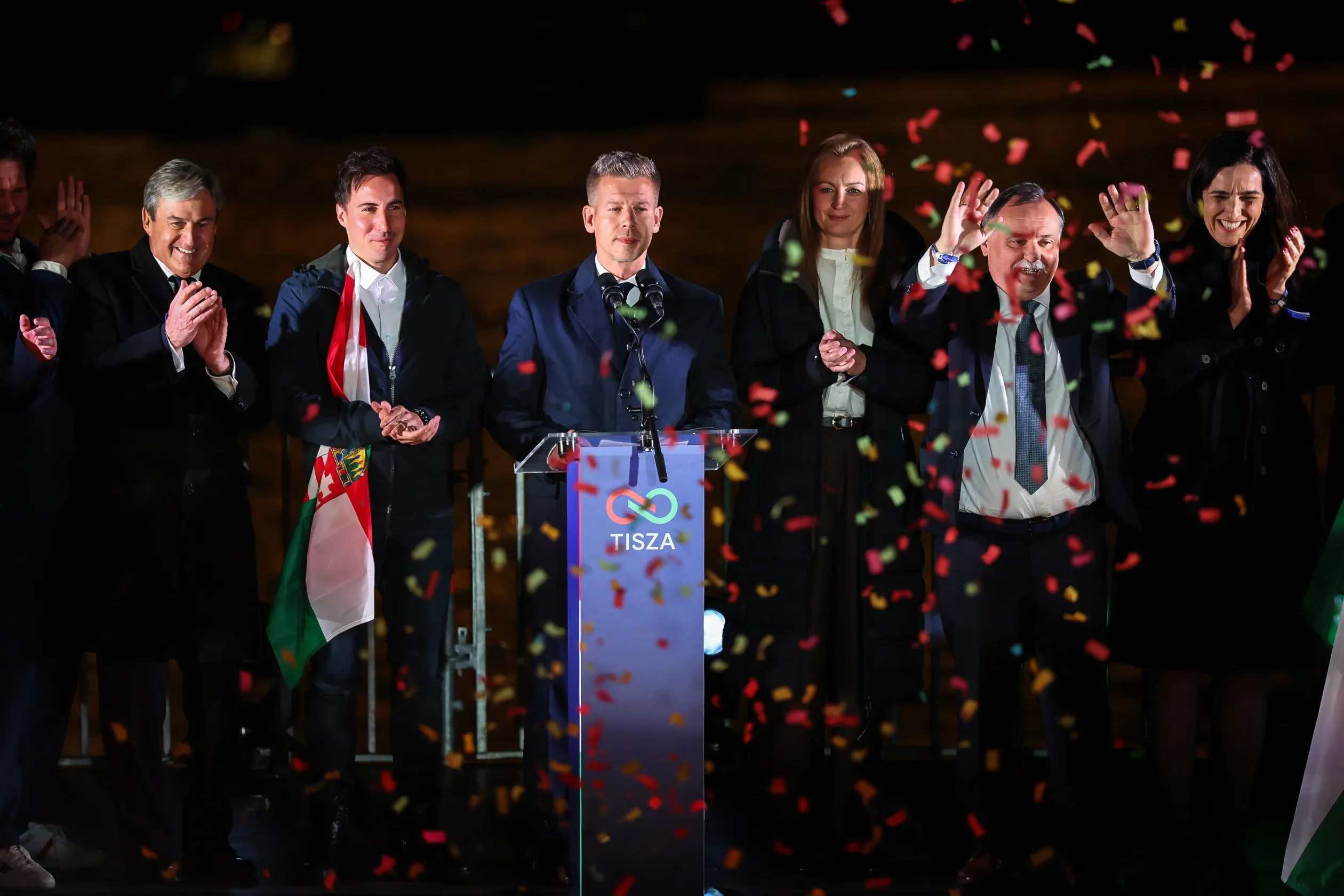
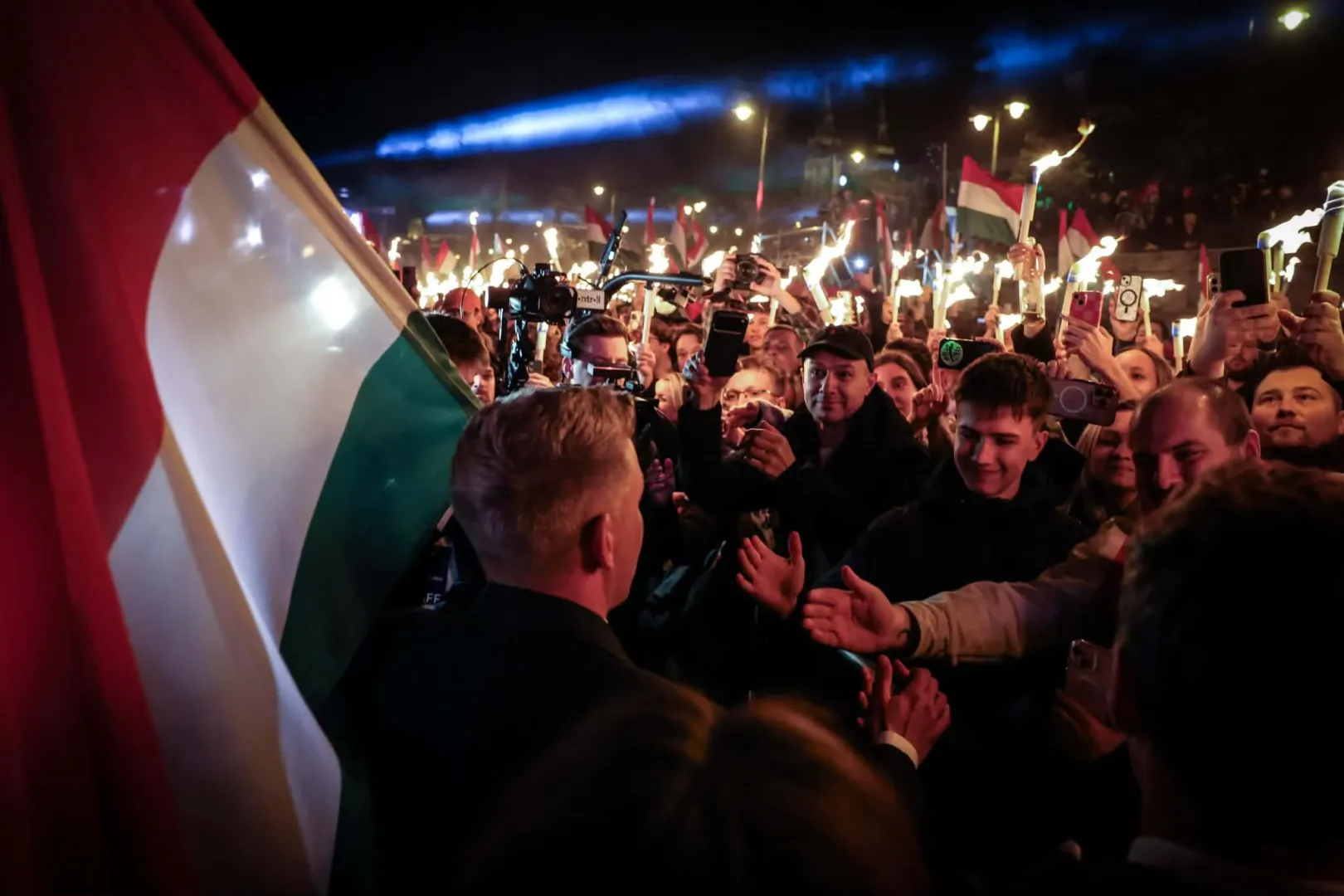
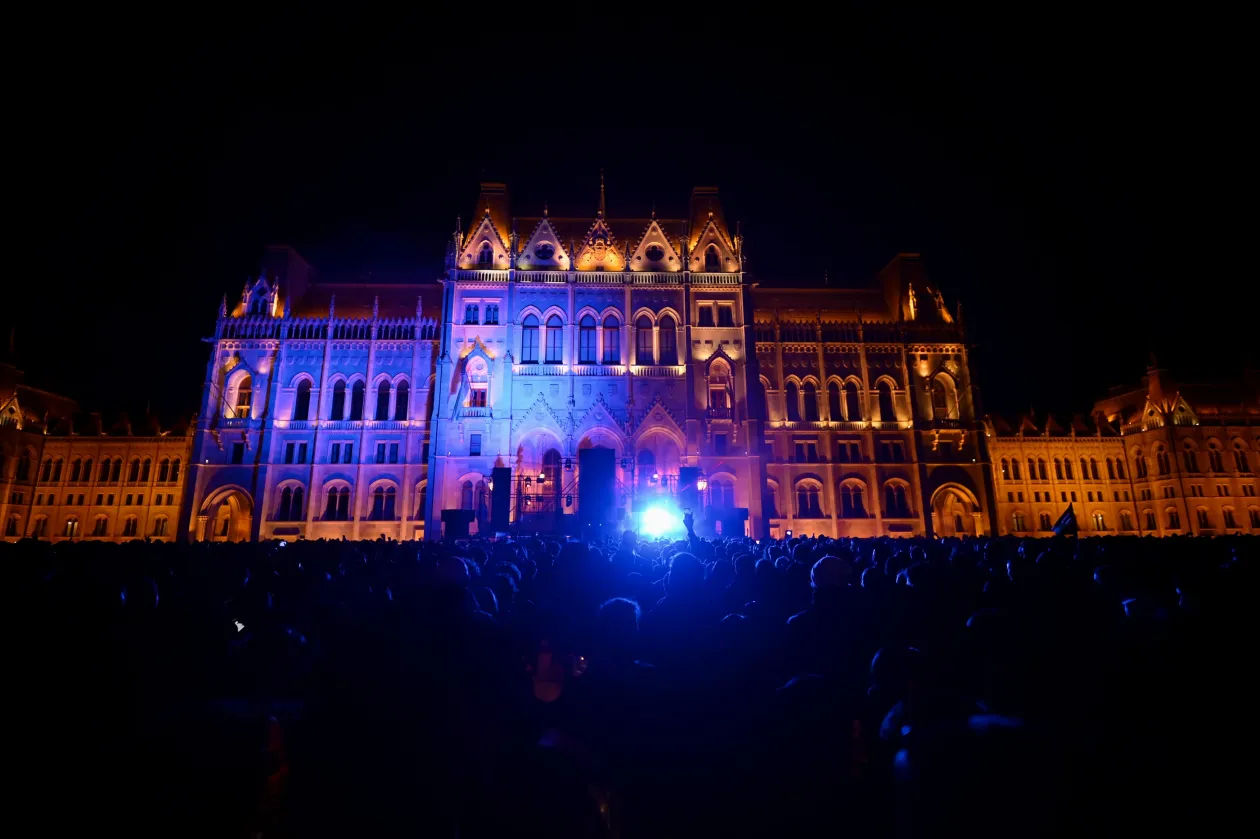
Supporters had to wait quite a while for Péter Magyar’s speech, but by the time he walked onto the scene with the party leadership around 11 p.m., a significant crowd had already gathered on Batthyány Square and along the riverfront.
The stage was set up so that the entire lit-up parliament building was visible behind it, which added a significant visual impact to the speech. Magyar called for national unity and said, “Starting today, this country is alive again.” At the same time, he promised that those who had served the current regime would have no place in public life, and called on, among others, the incumbent President, the Chief Prosecutor, and the Presidents of the Supreme Court and the Constitutional Court to resign.

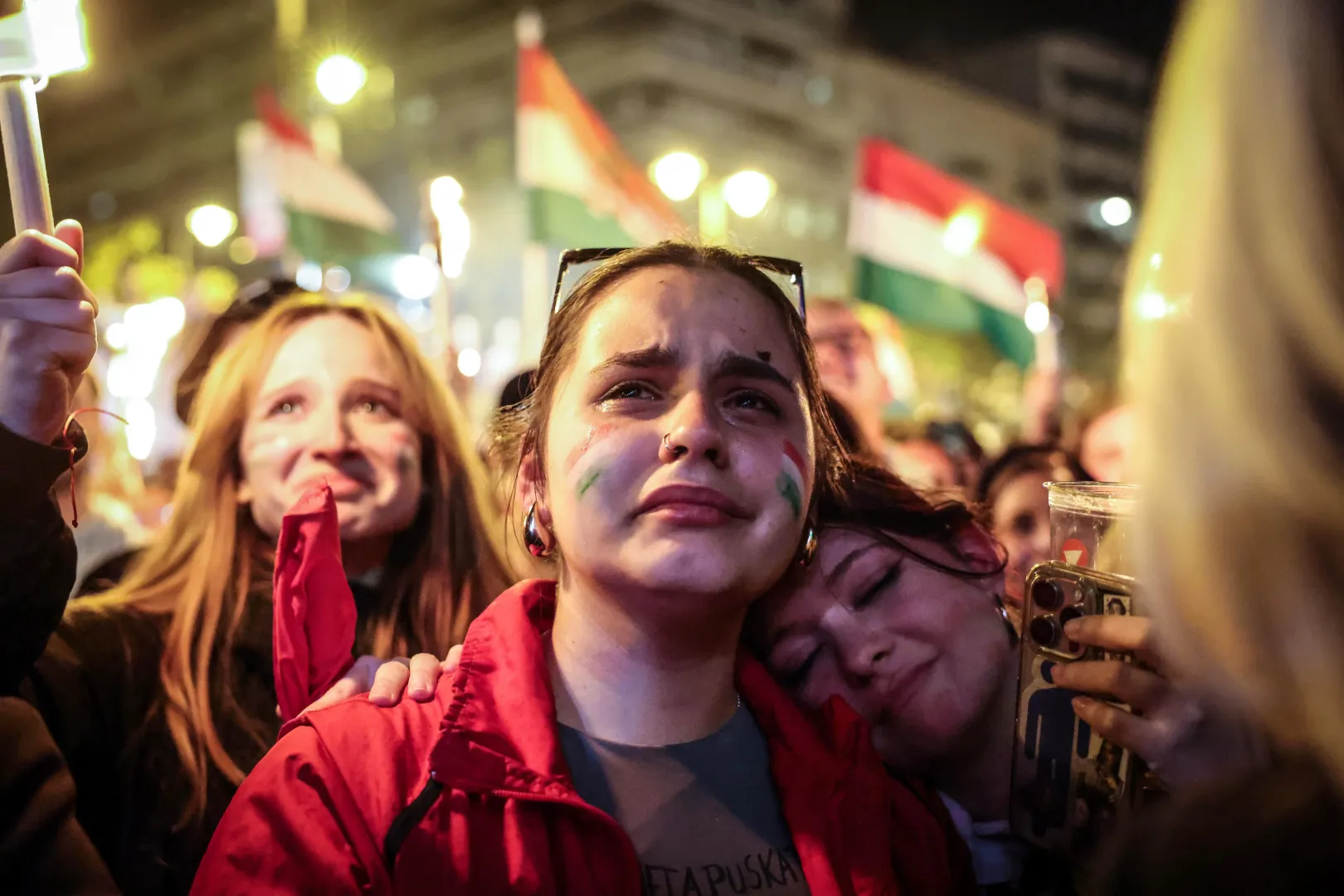
Budapest celebrates
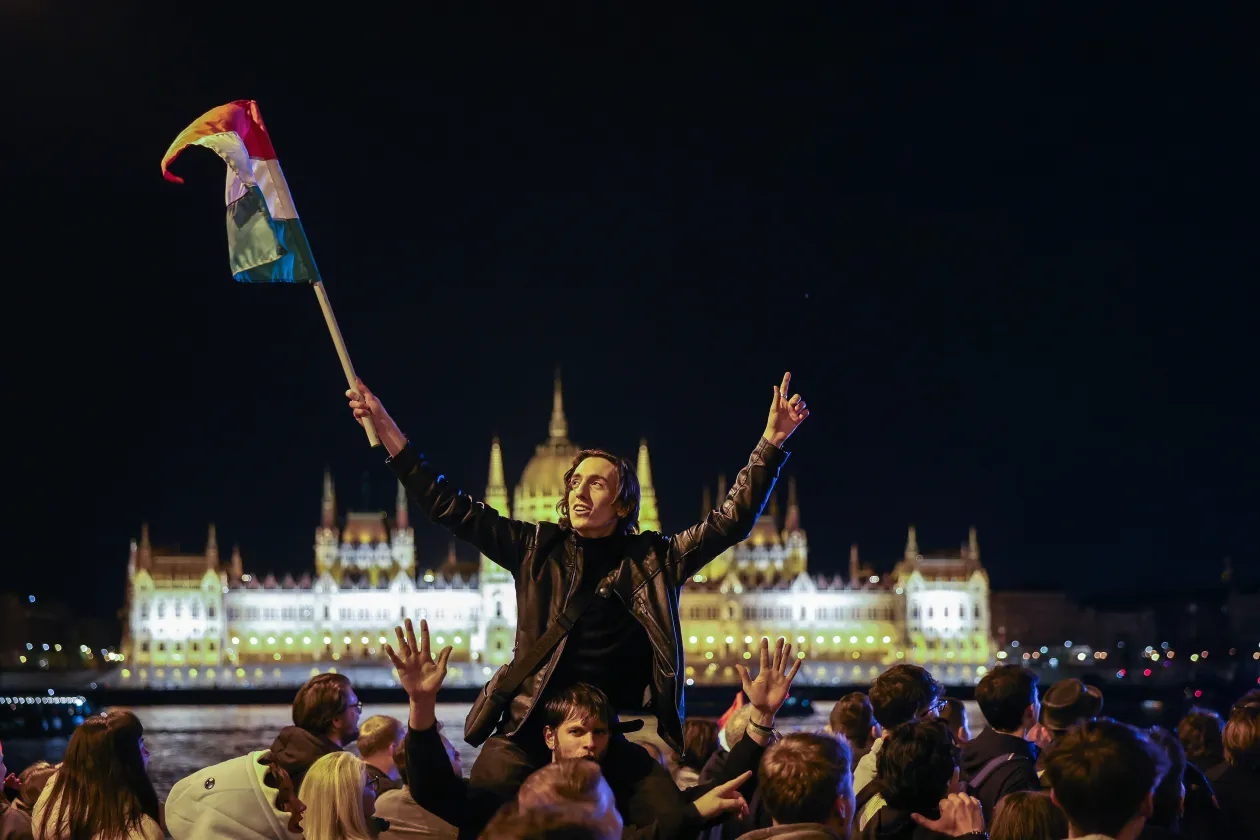
In Budapest, where the majority has long been staunchly opposed to Fidesz, Orbán’s humiliating defeat triggered exactly the reaction one might have expected: the last time scenes like those seen in the city center now, following Tisza’s victory, were perhaps witnessed after Hungary’s unexpected successes during the 2016 European Football Championship.
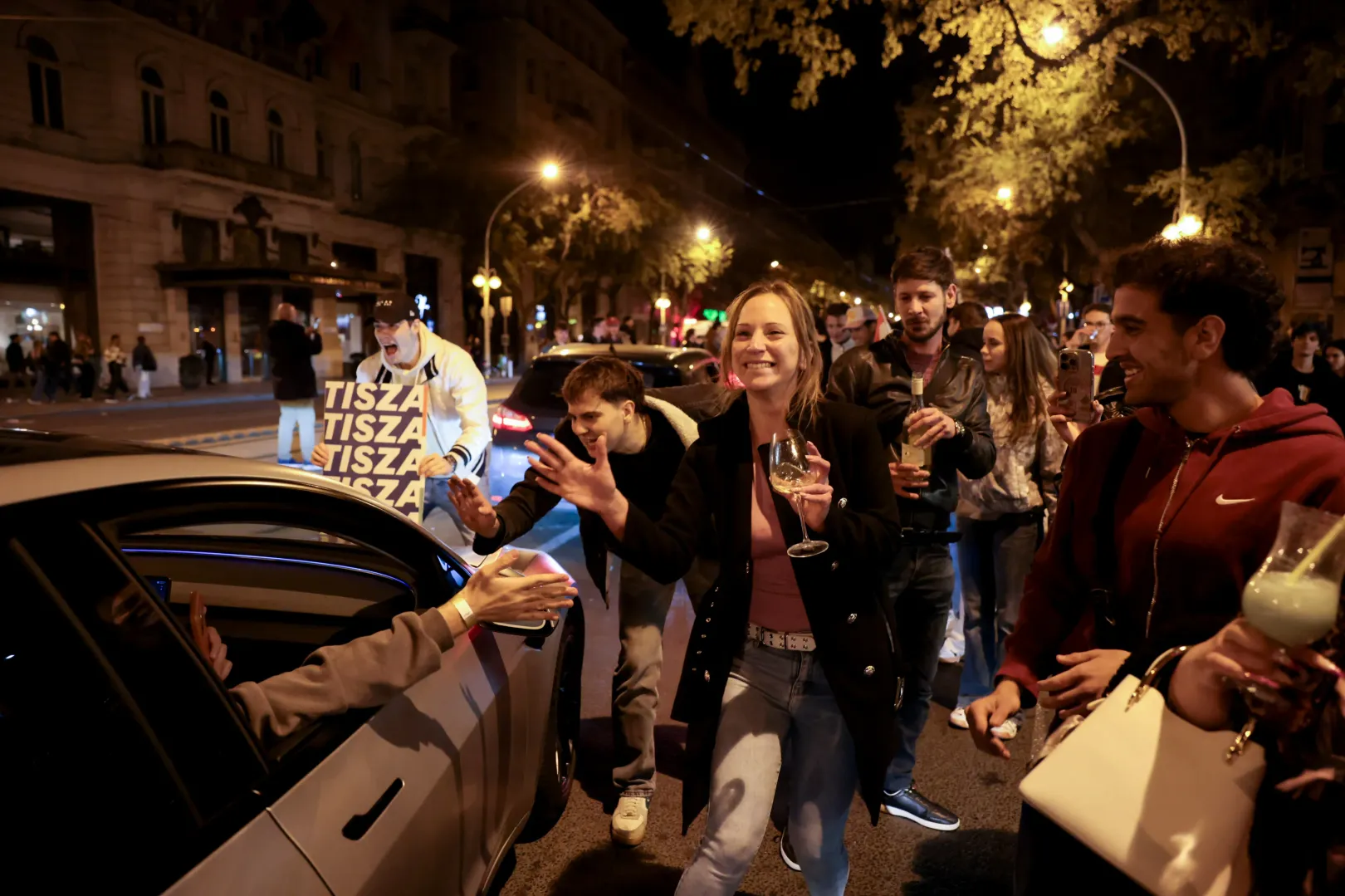
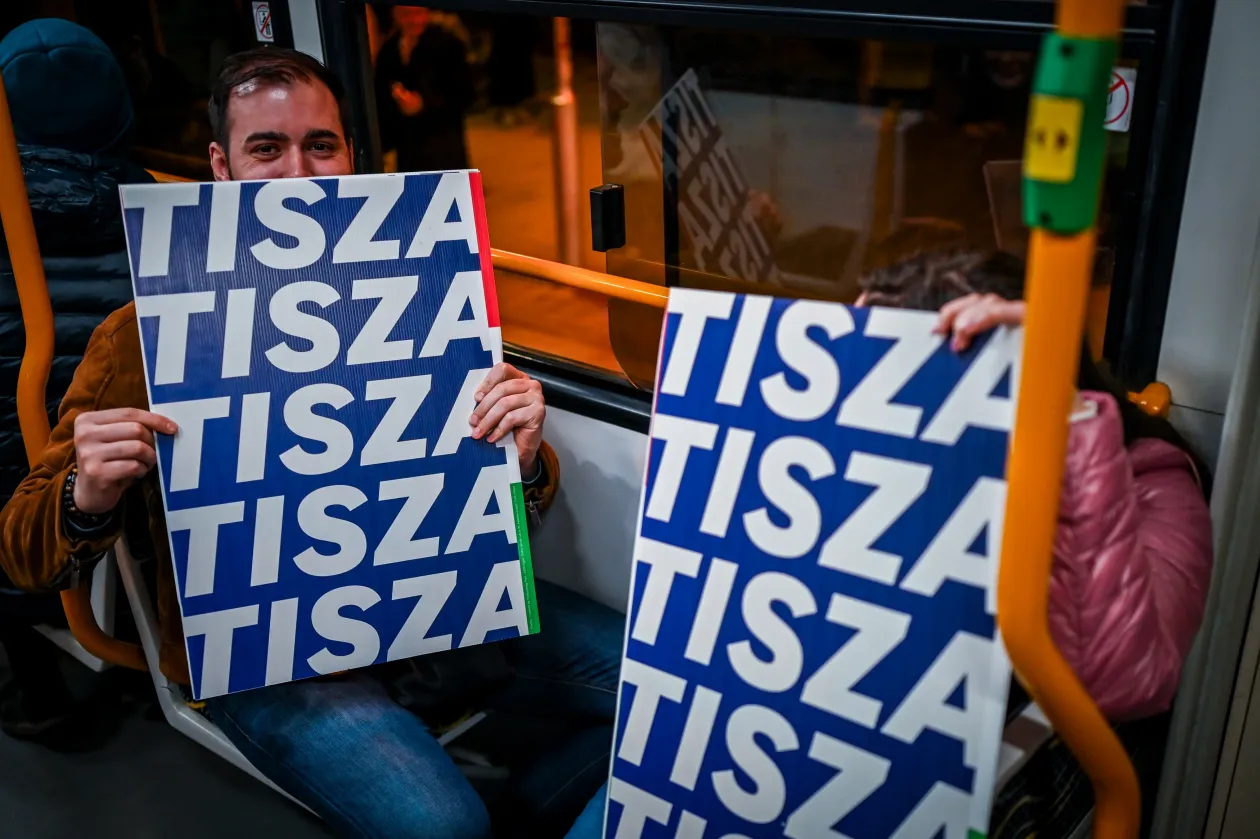
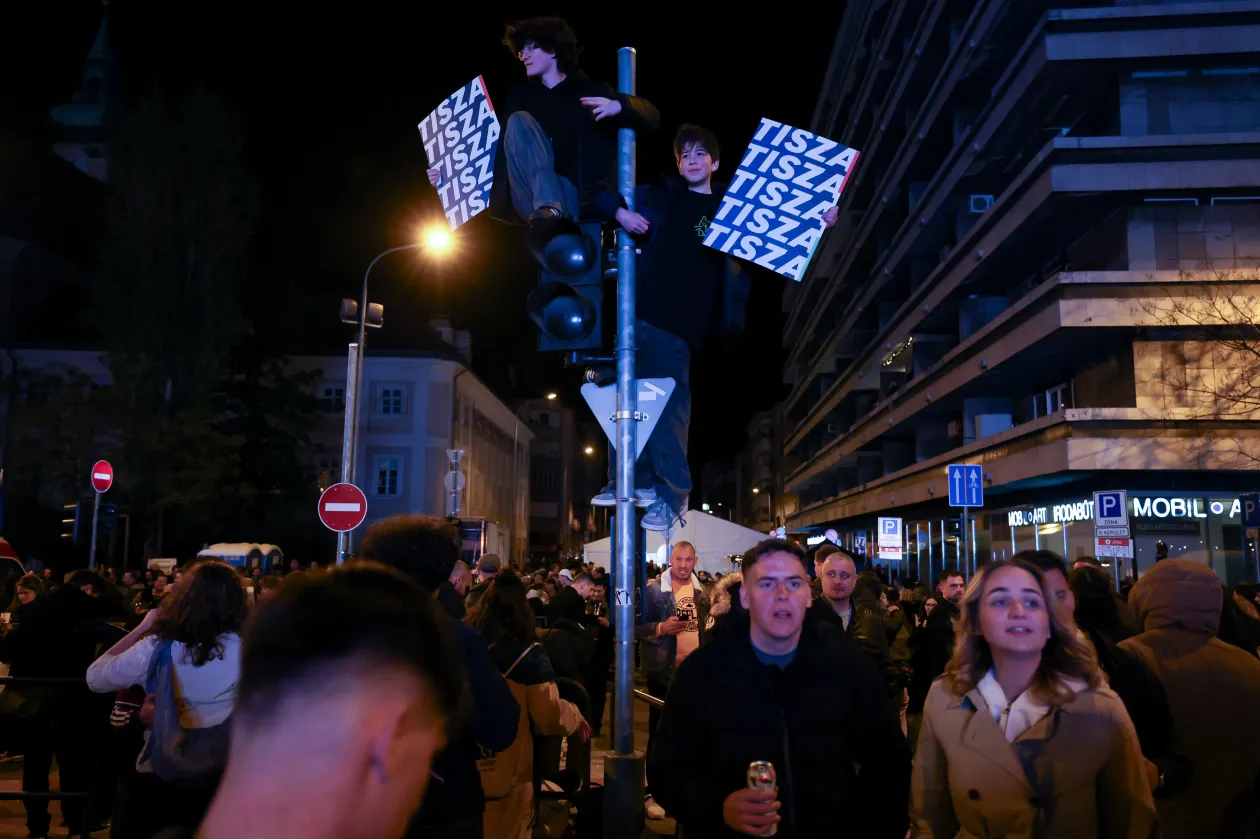
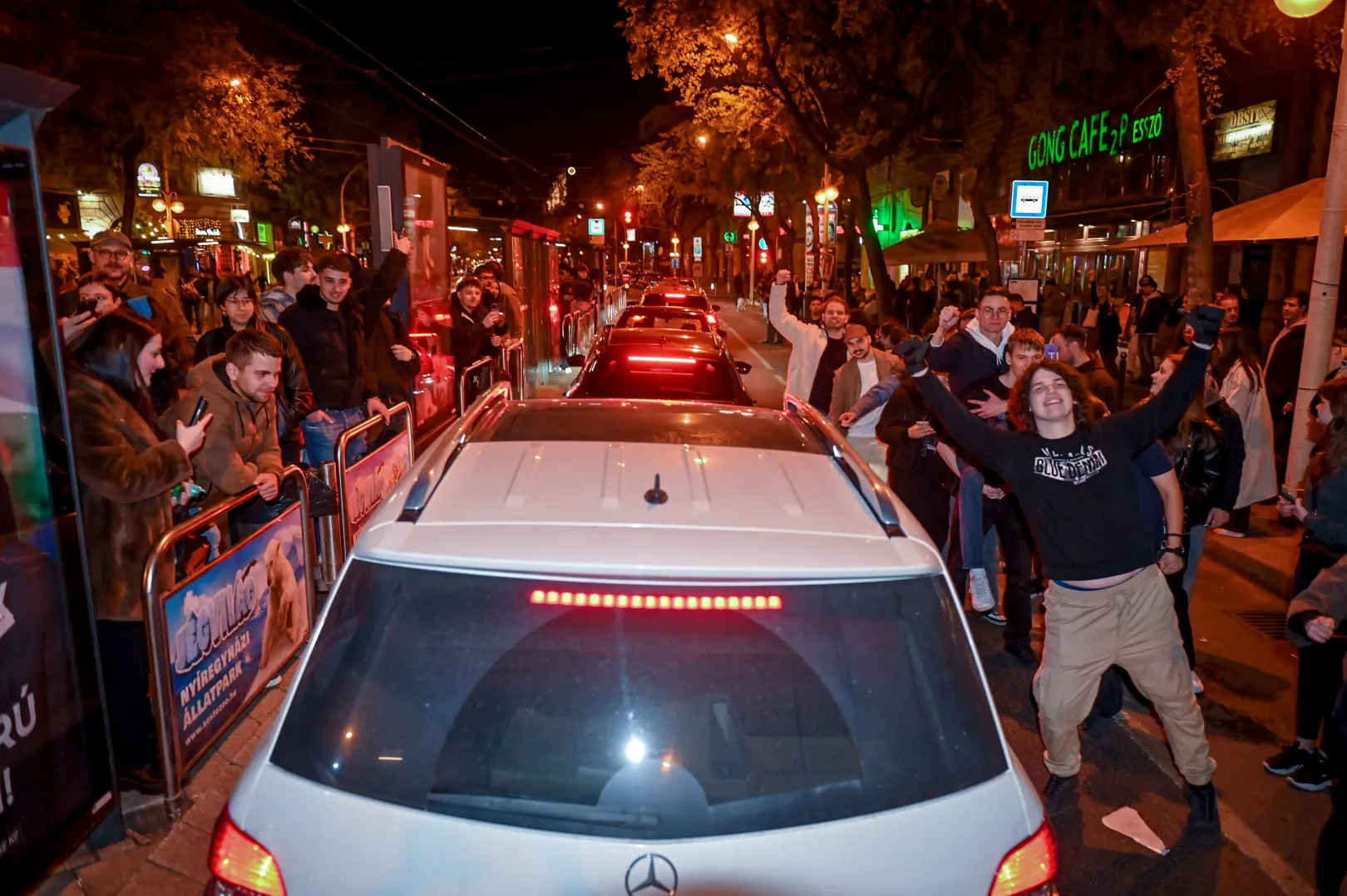
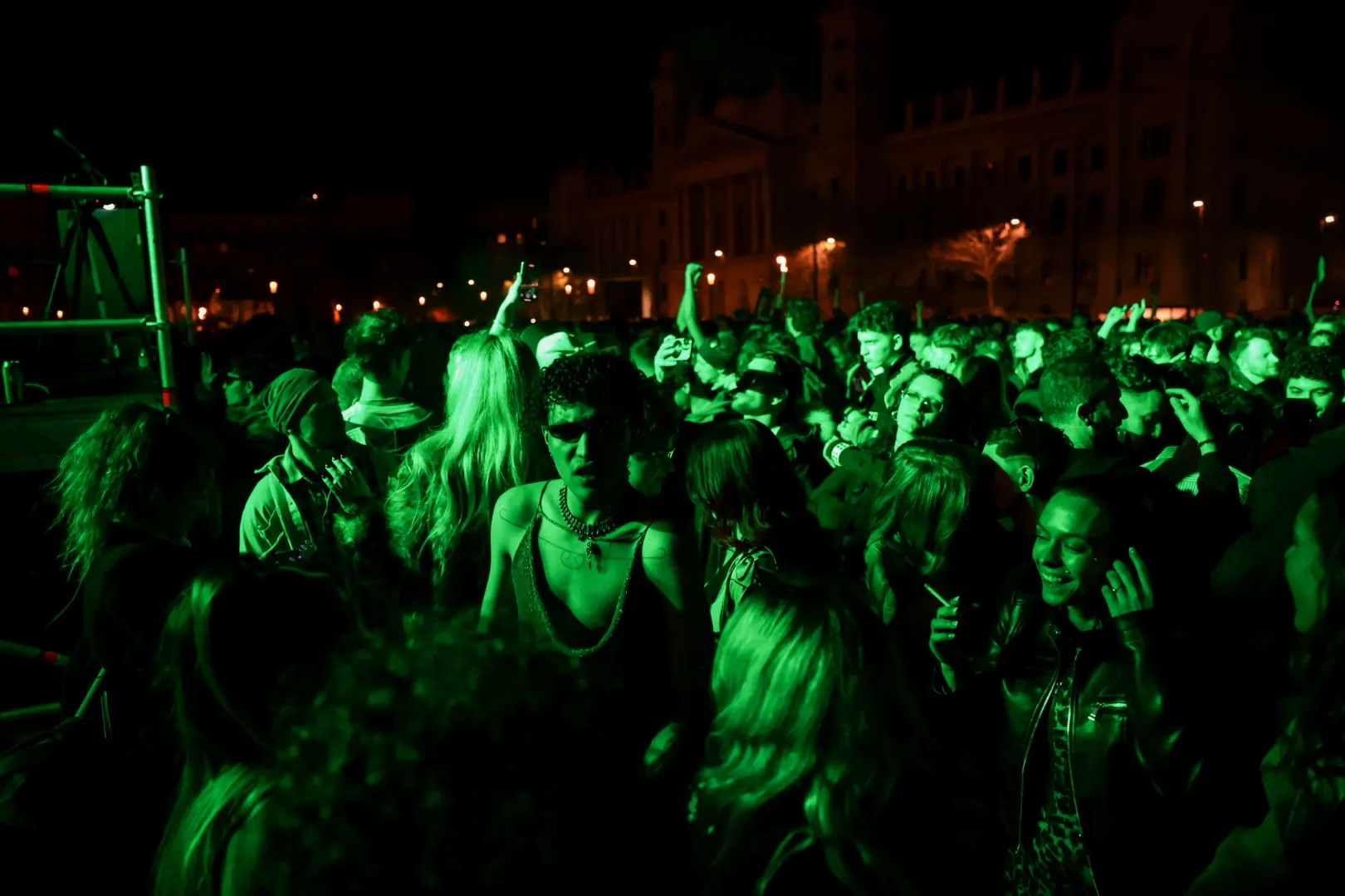
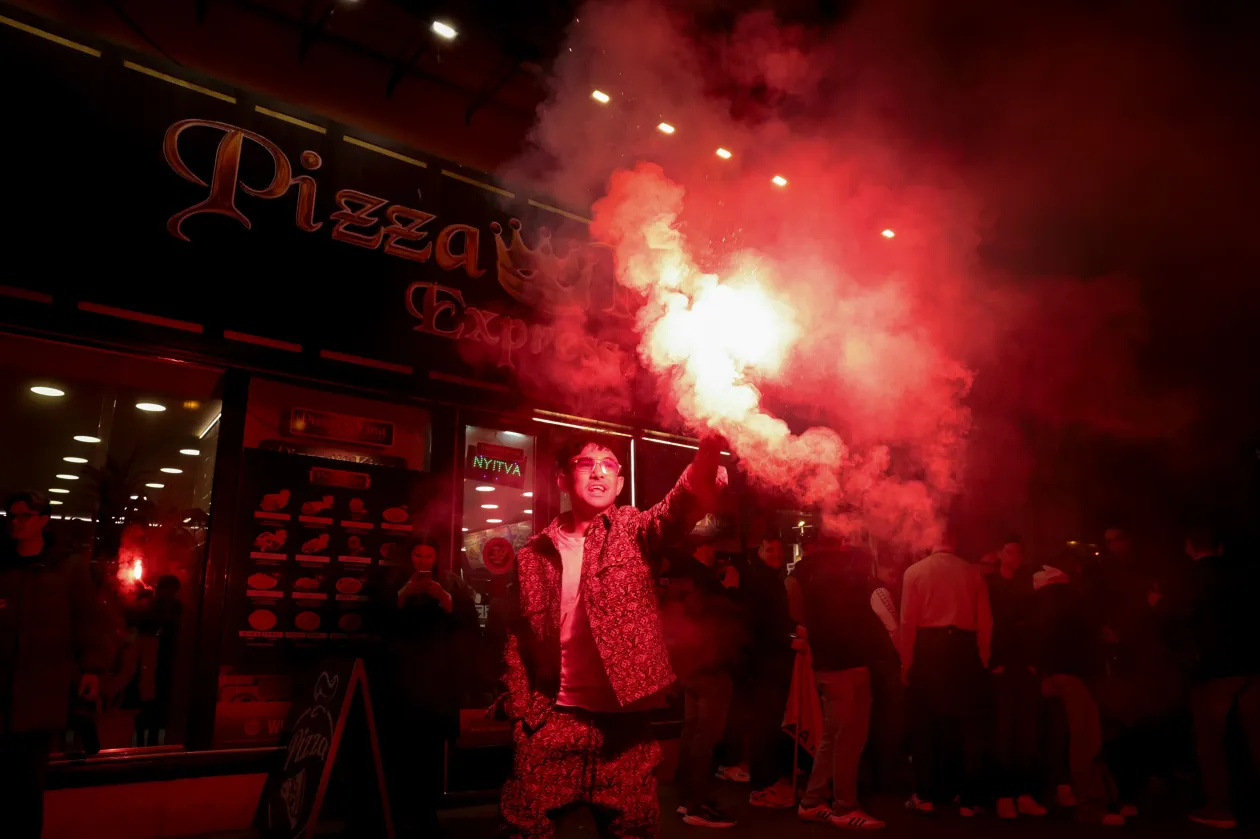
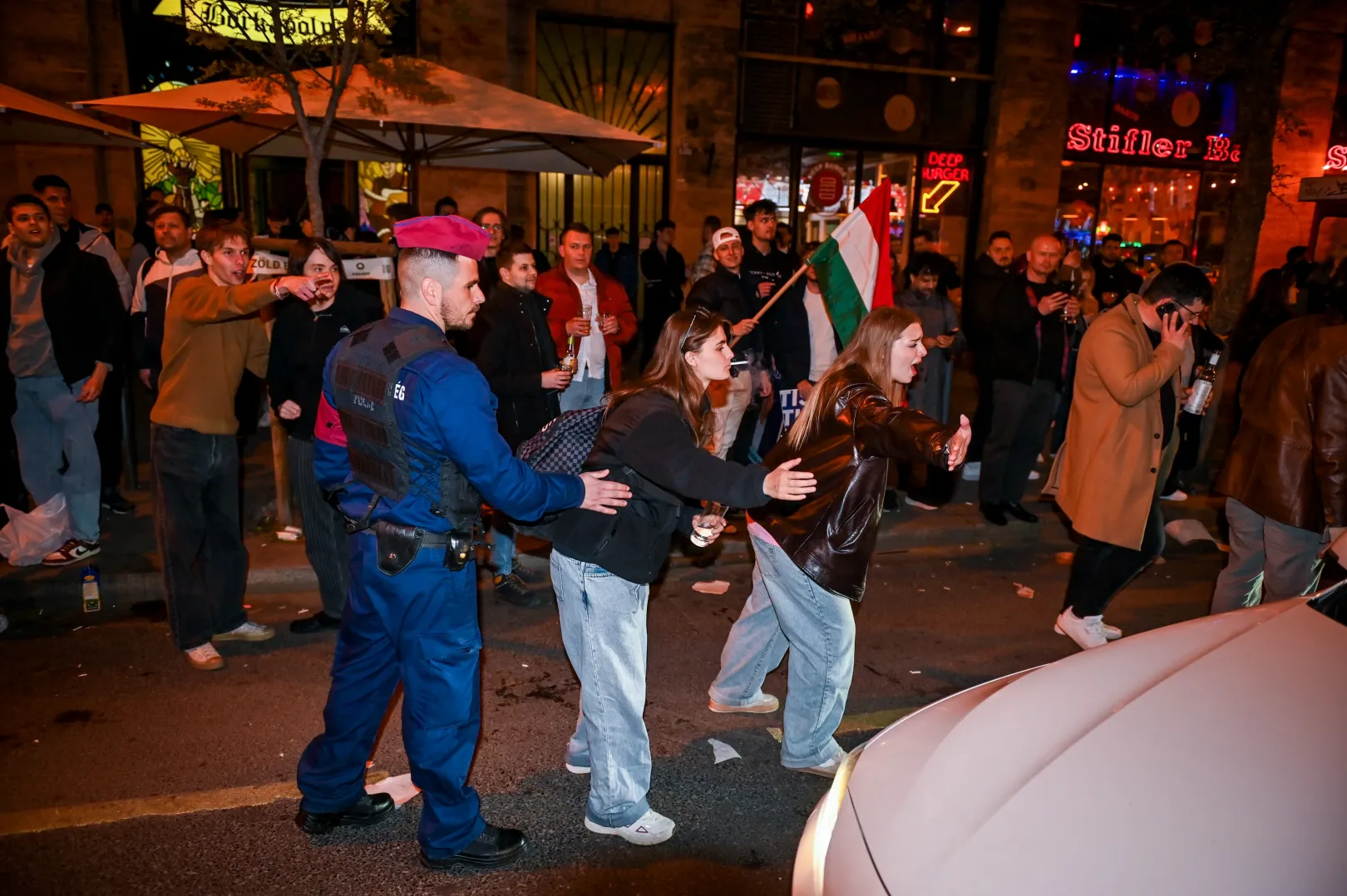
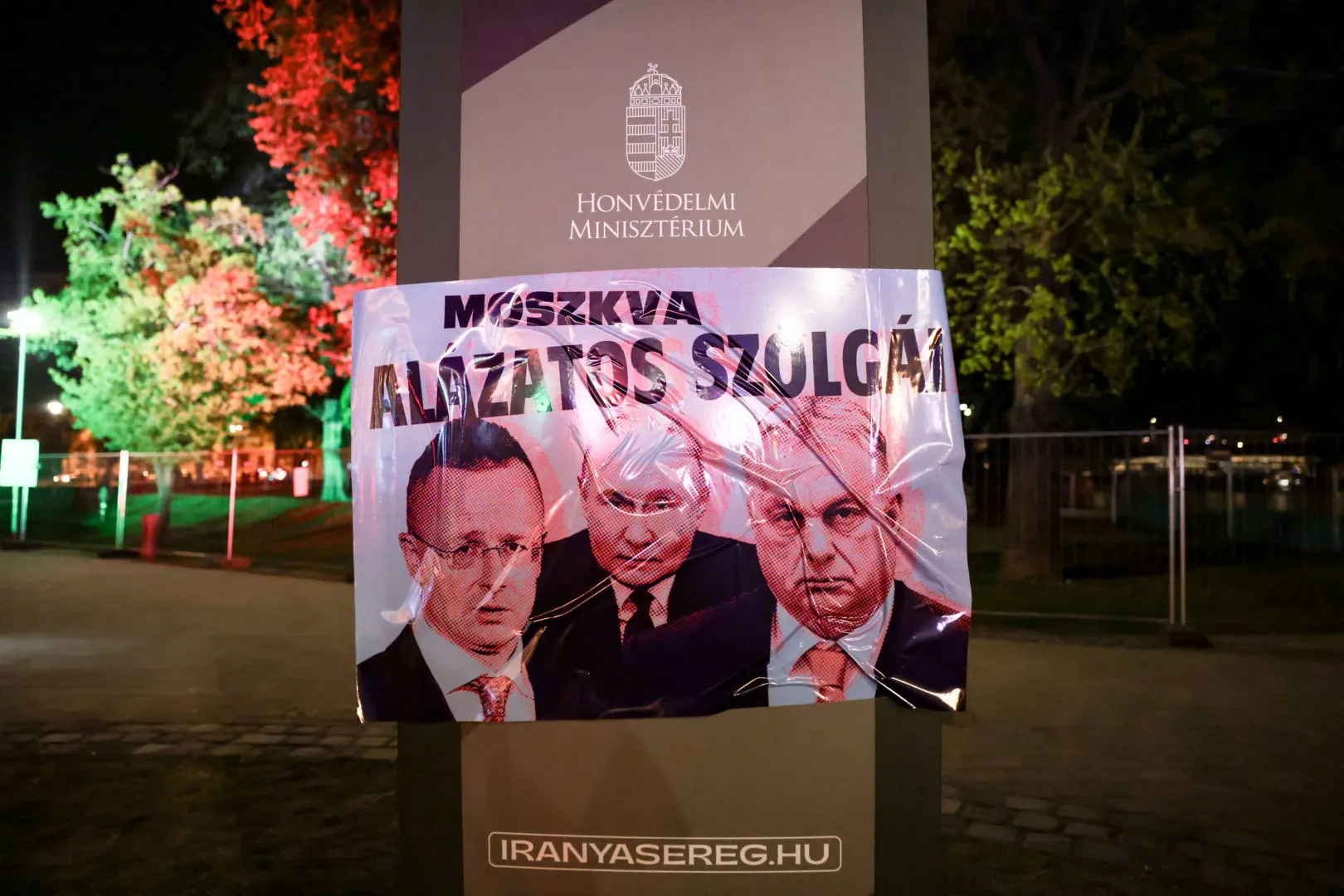
Many people let their tension out by tearing down Fidesz posters, but our photographers didn’t witness anything more extreme than that in the city. The Grand Boulevard, the waterfront, and the squares were filled with young people celebrating and partying, who didn’t seem to care that the next day was Monday.