A thousand-year-old country held a celebration dating back hundreds of years, with traditions stretching back centuries with a new government, a new prime minister, a new president, and a renewed public media. On Thursday, one half of Hungary woke up wondering how this year's St Stephen Day would differ from previous celebrations of August 20, while the other half woke up expecting the same traditions they had grown accustomed to.
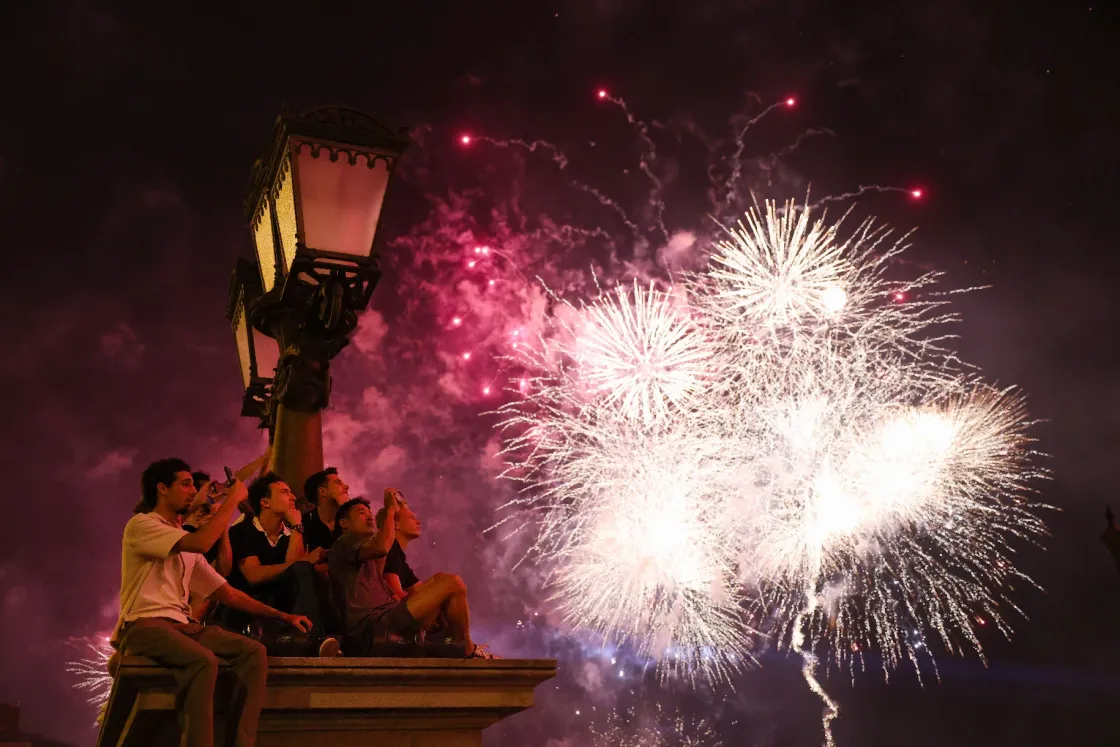
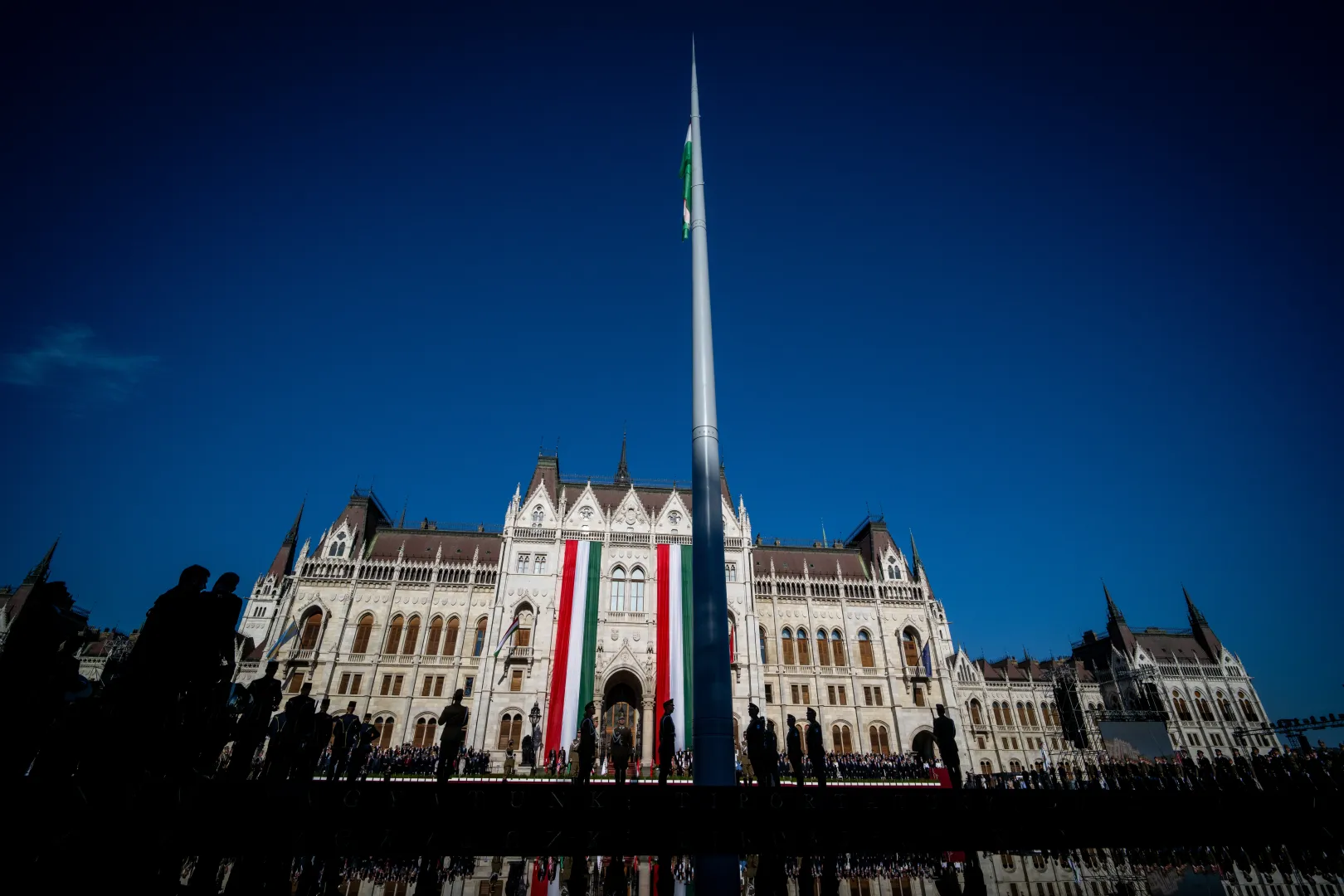
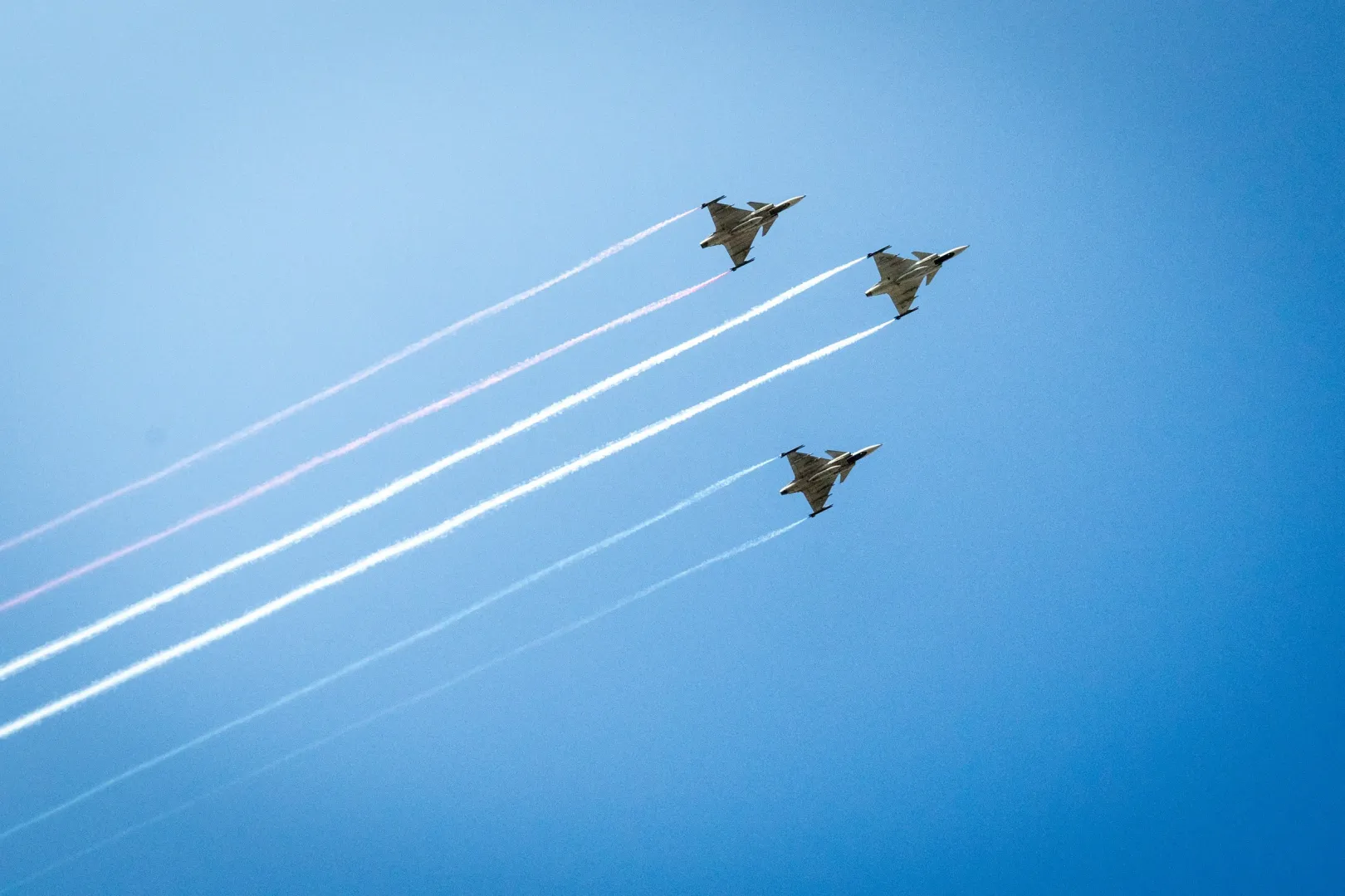
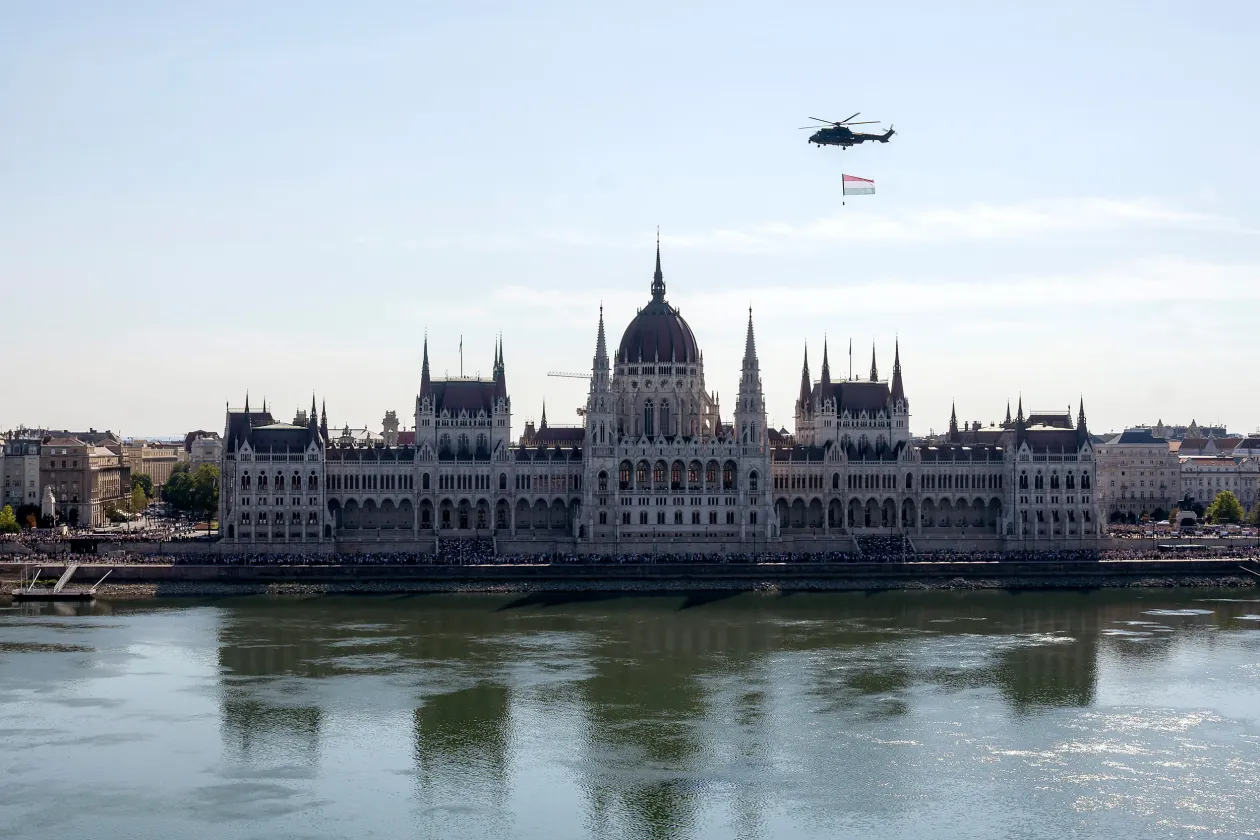
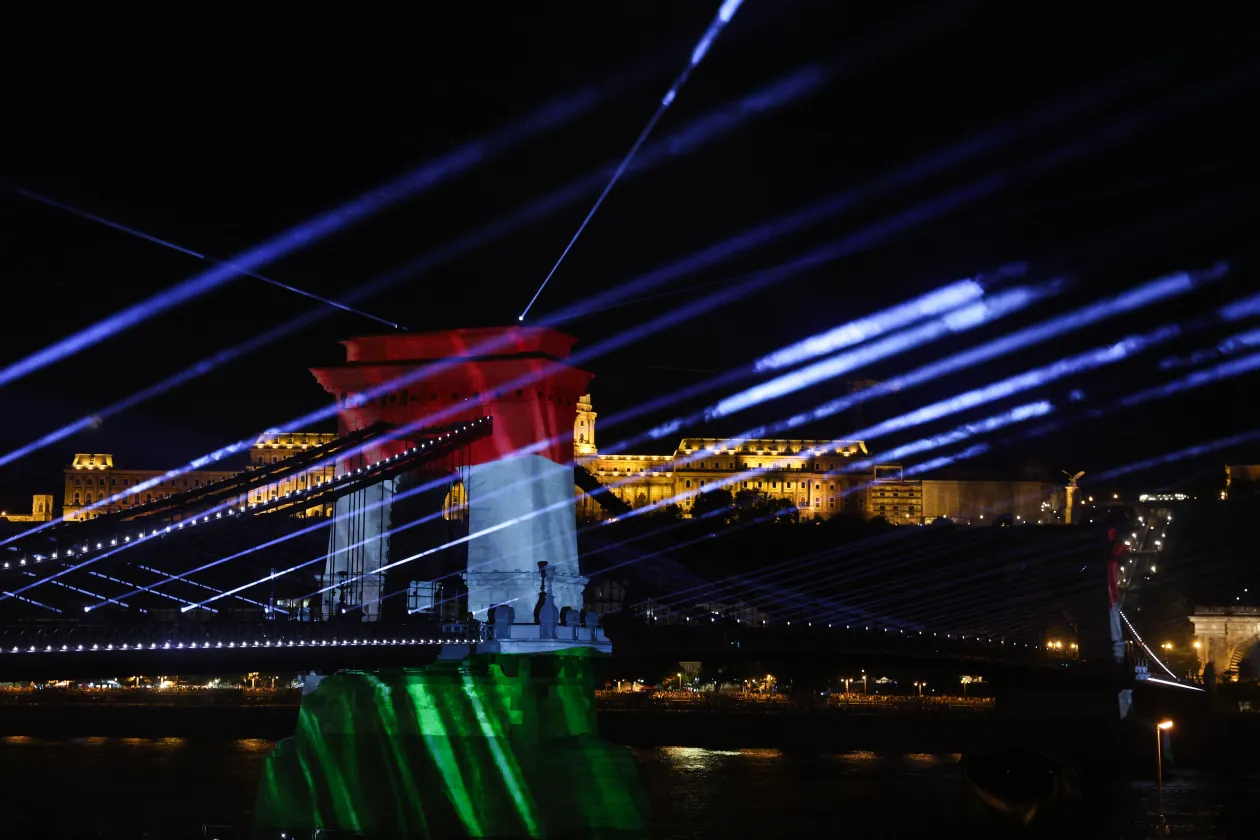
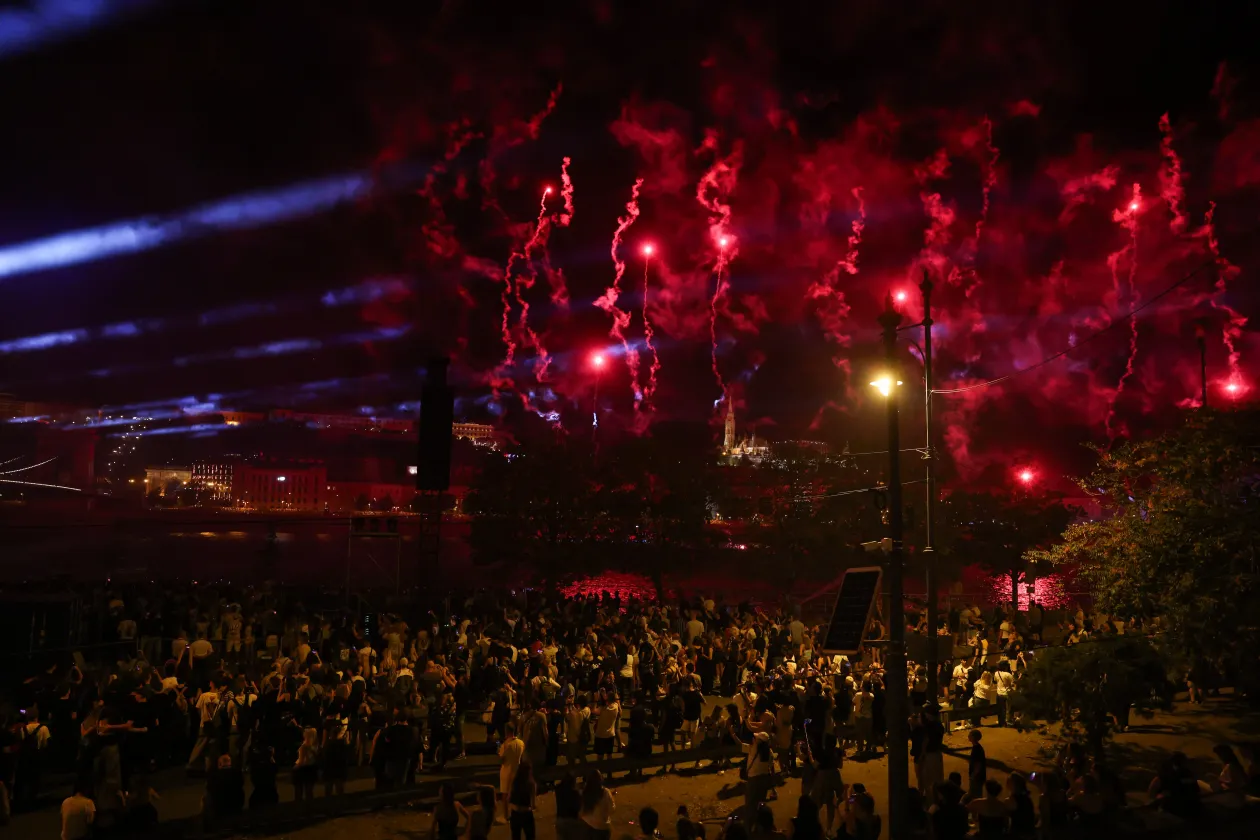
The latter group had it easy: the flag-raising ceremony, the swearing-in of military officers, the presentation of state awards, the procession with the Holy Right Hand of St Stephen and the flower carnival were all held just as they had been in previous years. And although the street vendors no longer offered beer at the heavily subsidised price of 350 forints as in the last few years of the Orbán regime, the Gripen jets still flew over Budapest, and the fireworks—which cost only a fraction of the previous years’ displays—were no less spectacular than before.
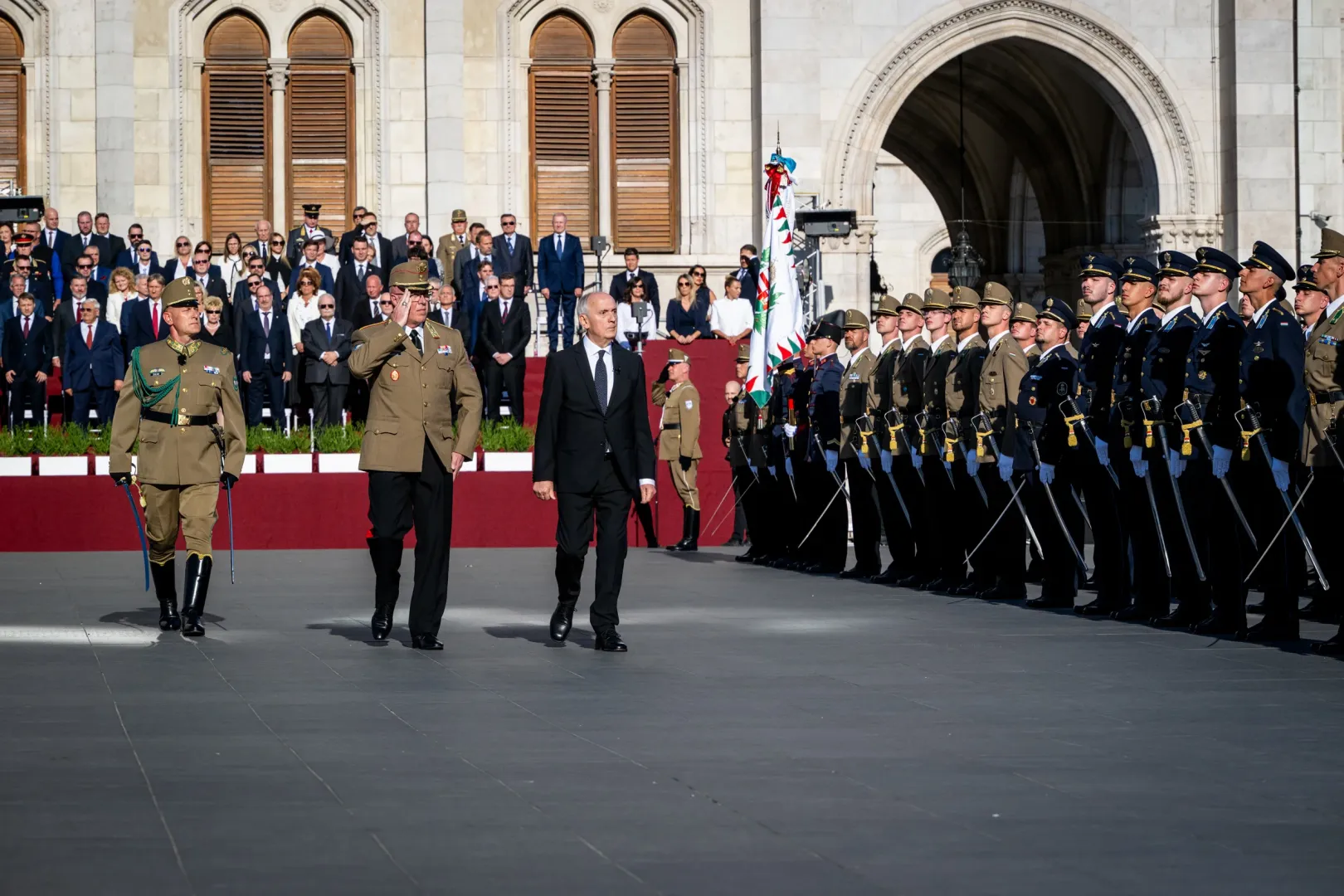
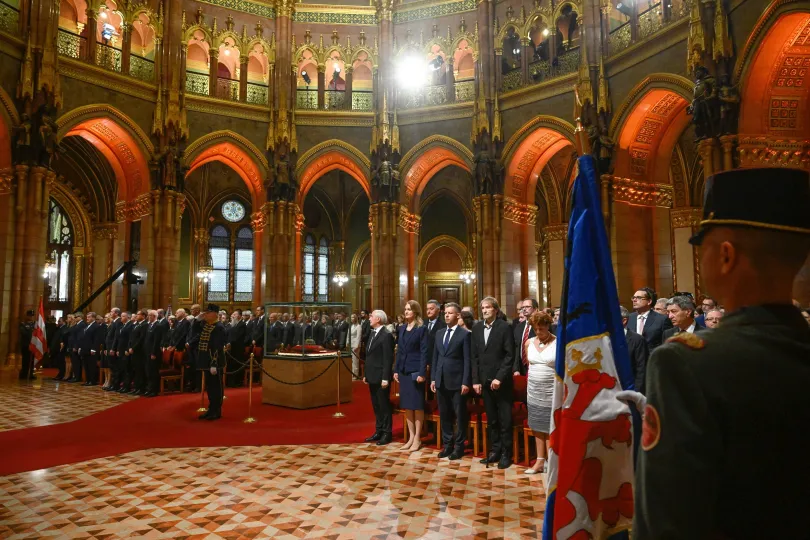
President András Baka at the raising of Hungary’s flag on Kossuth Square in Budapest during the celebration of the founding of the state and St Stephen's Day, on August 20, 2026,. Behind him is Colonel General Zsolt Sándor, Chief of the General Staff of the Hungarian Armed Forces – Photo: Dániel István Alföldi / Telex
Photo: Dániel István Alföldi / Telex
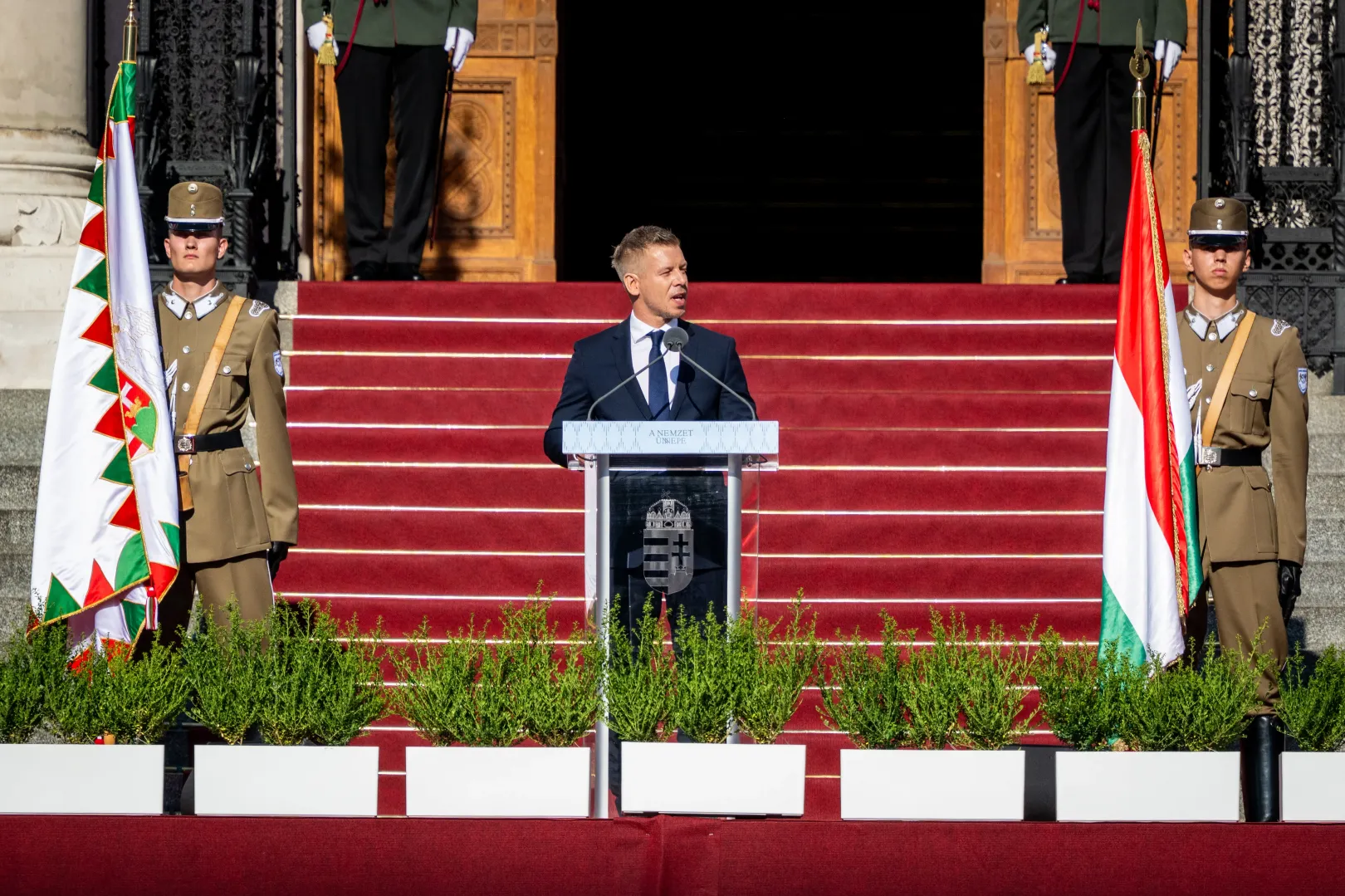
Prime Minister Péter Magyar delivered a speech after the Minister of Defense addressed the troops – Photo: Dániel István Alföldi / Telex
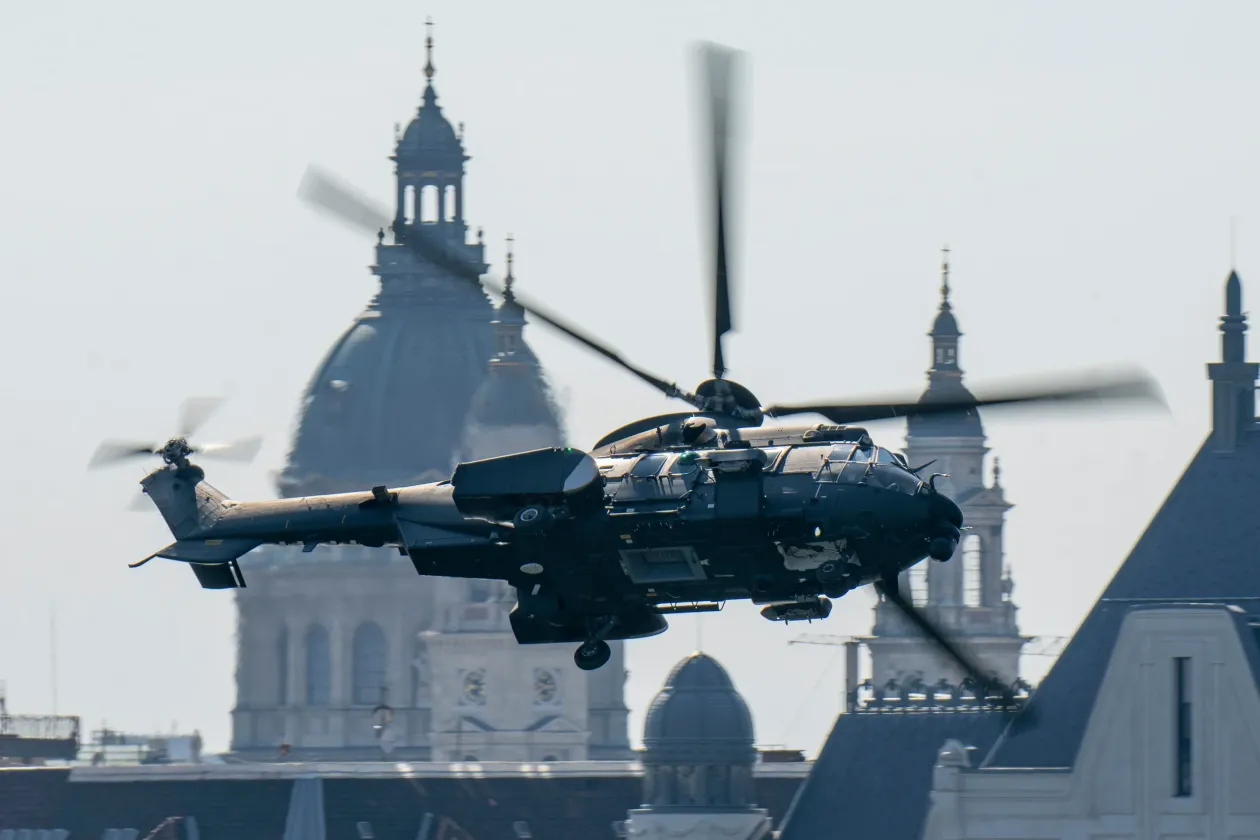
After the raising of the flag and the commissioning ceremony, three Gripen jets flew over Kossuth Square, marking the start of the air parade over the Danube – Photo: Dániel István Alföldi / Telex
Photo: Péter Lakatos / MTI
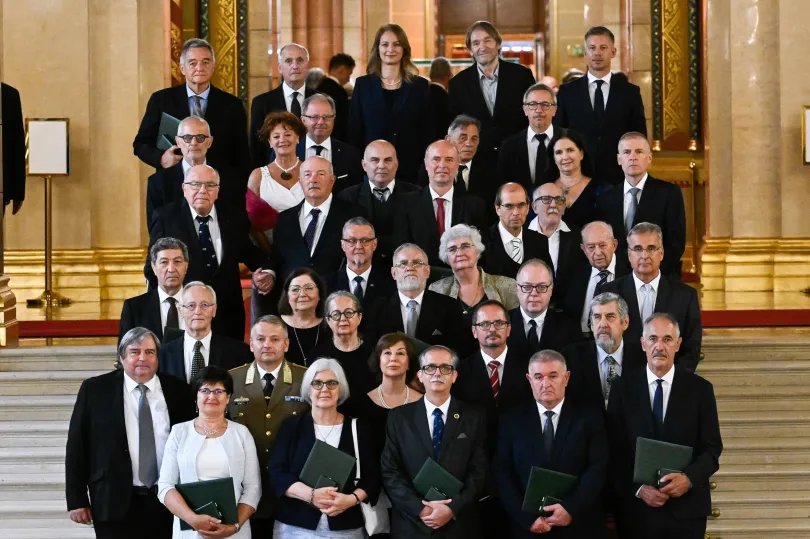
President András Baka, Prime Minister Péter Magyar, and Ágnes Forsthoffer, Speaker of the House presented state honors on the occasion of the holiday – Photo: Róbert Hegedüs / MTI
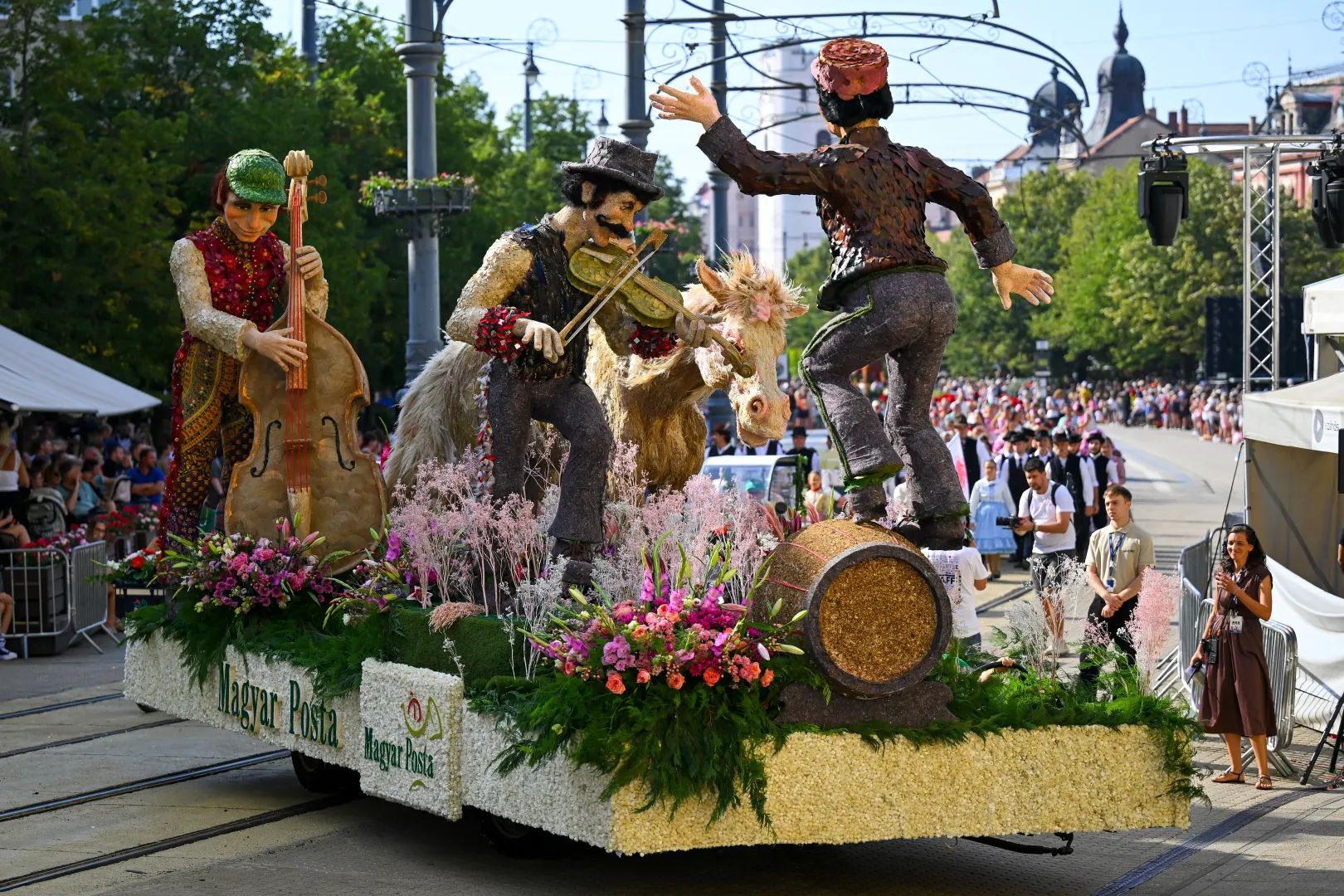
The display of the Hungarian Postal Service at the 57th Debrecen Flower Carnival on 20 August – Photo: Zsolt Czeglédi / MTI
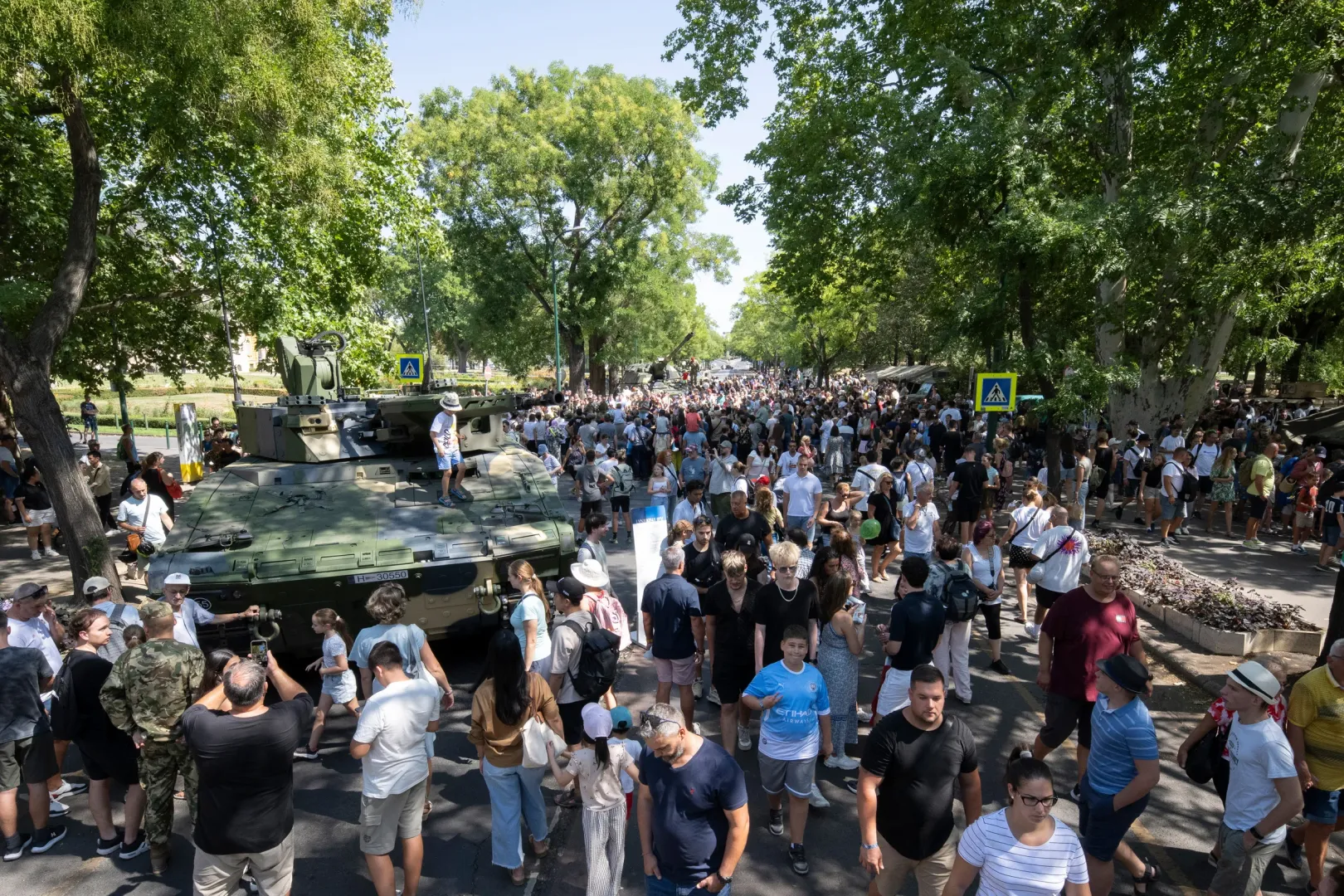
A Lynx KF41 infantry combat vehicle at the display of military equipment by the Hungarian Defense Forces in Városliget – Photo: Péter Lakatos / MTI
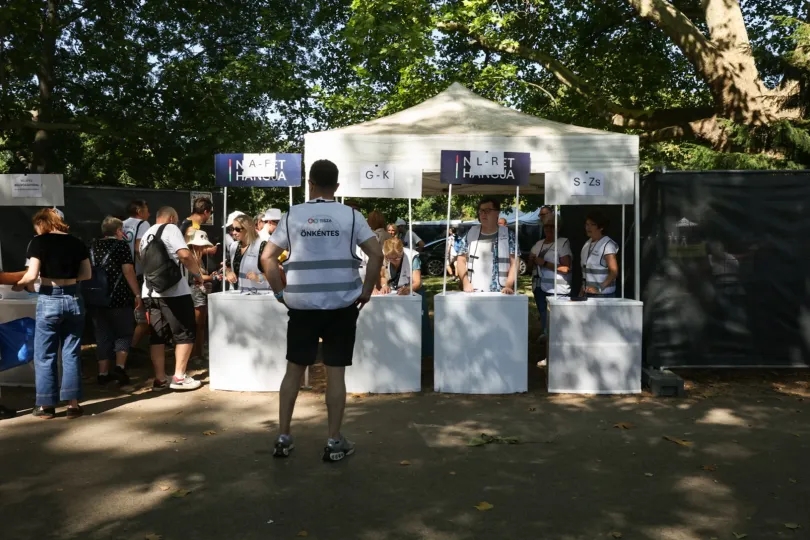
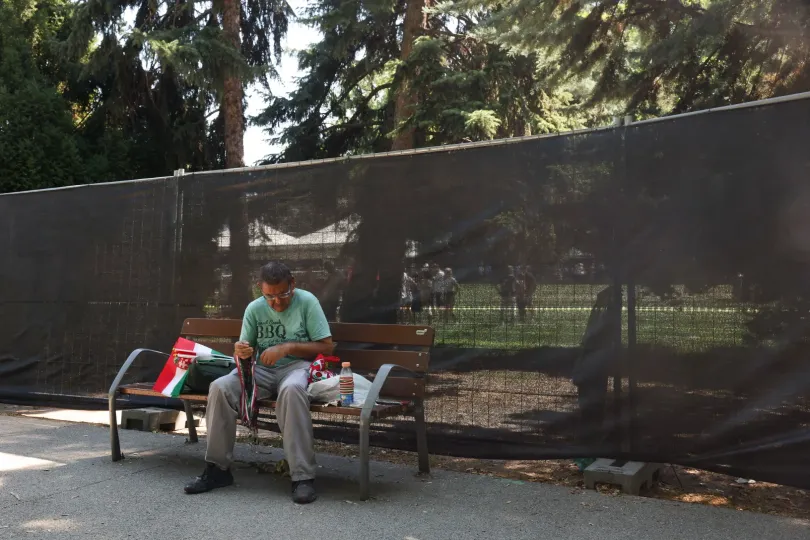
The most interesting political event of the day was the first national meeting of the Tisza Islands, attended by more than a thousand members of the Tisza Party's volunteers from across the country. As it turned out, most of them felt that since 12 April communication from the party leadership has become scarce, and that their role in the new situation remained unclear. Others, however, said that even in this “standby mode,” with things left to their own devices, they’ve managed to find their footing.
The national gathering of the Tisza Party's volunteers was held on Margaret Island in a cordoned-off area of Nagyrét, with the press kept out – Photo: Lujza Hevesi-Szabó / Telex
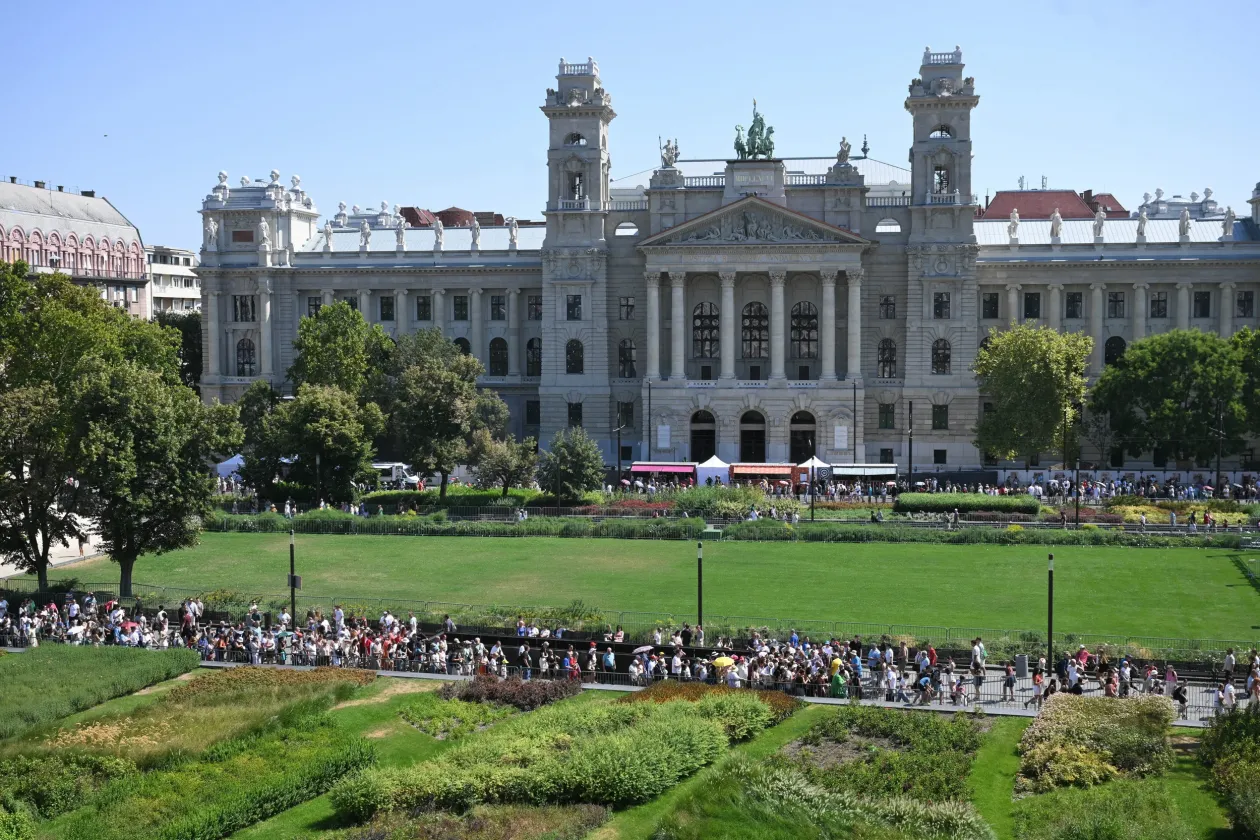
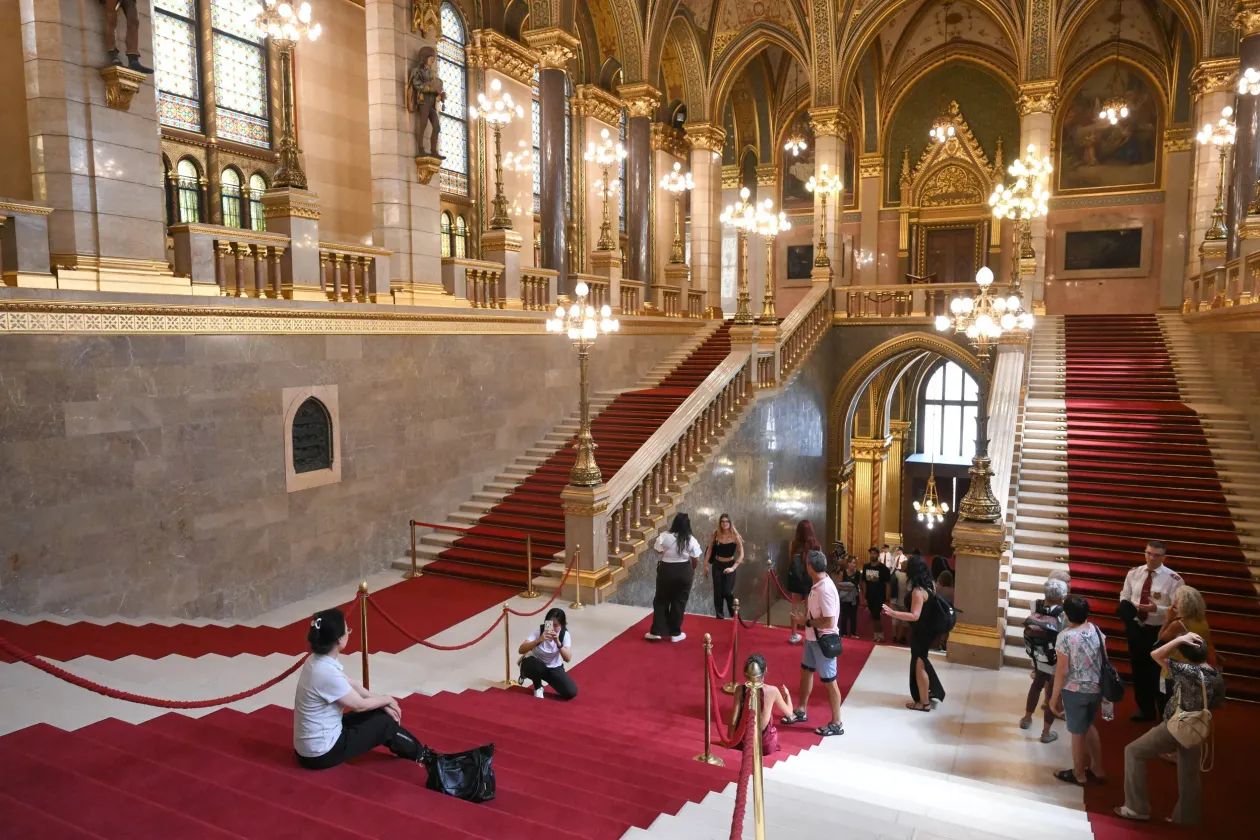
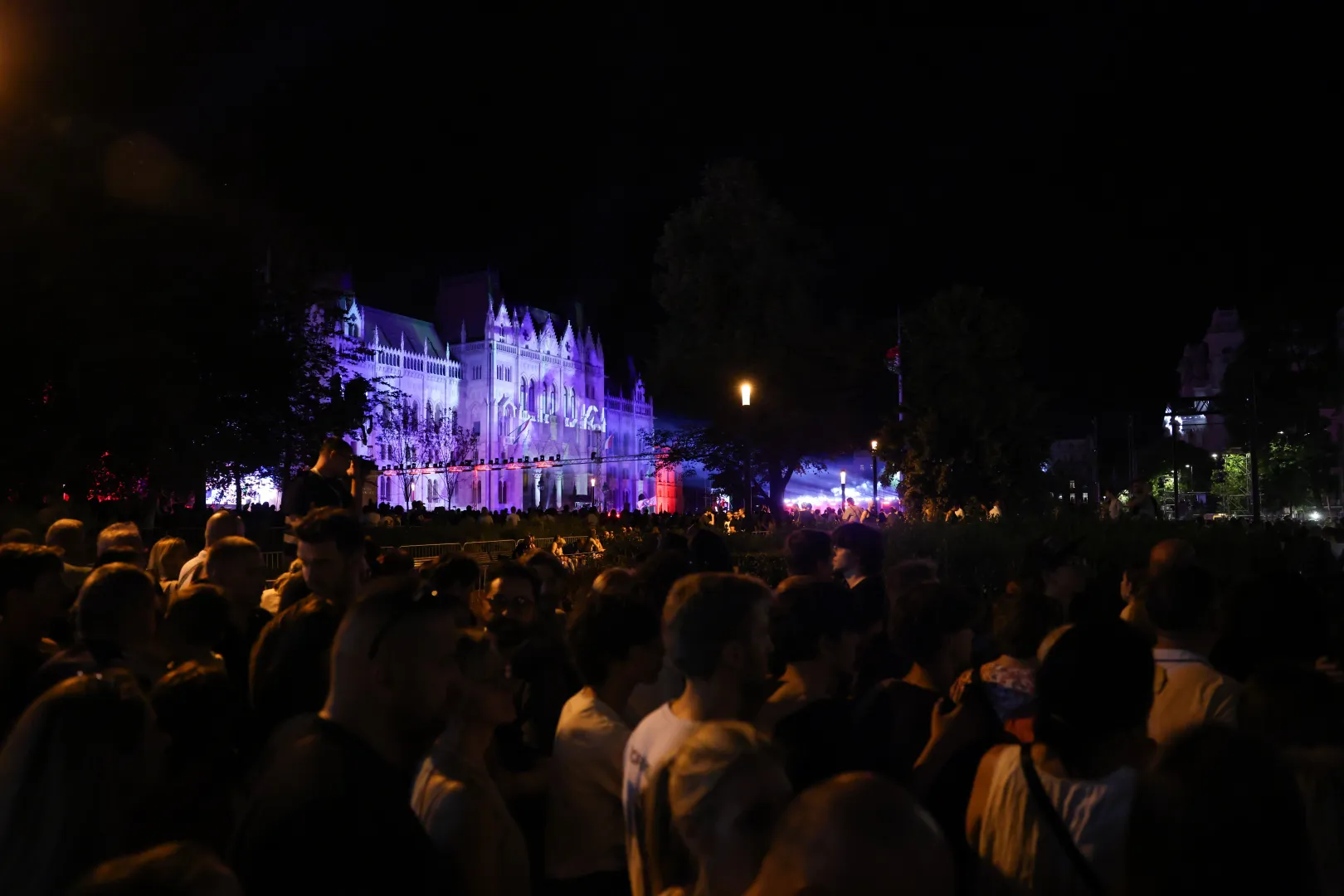
Visitors stand in line at Kossuth Square; visiting the Parliament Building was free to the public in honor of the holiday – Photo: Noémi Bruzák / MTI
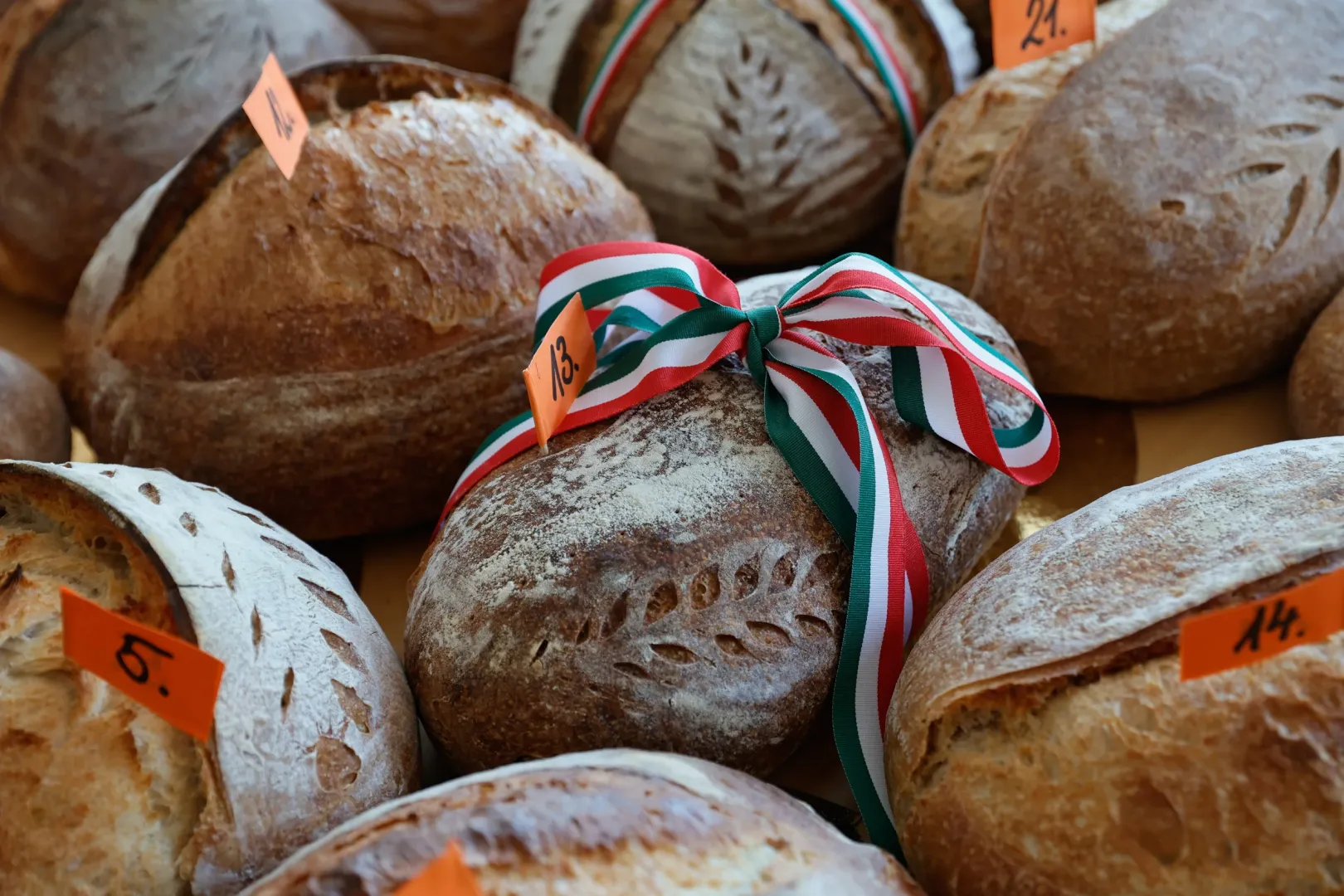
Fresh loaves of bread awaiting the judges at the Kenyérlelke Festival at the Open-Air Ethnographic Museum in Szentendre, which put on presentations featuring bakeries, mills, and farmers, as well as a craft fair for visitors – Photo: Zoltán Kocsis / MTI
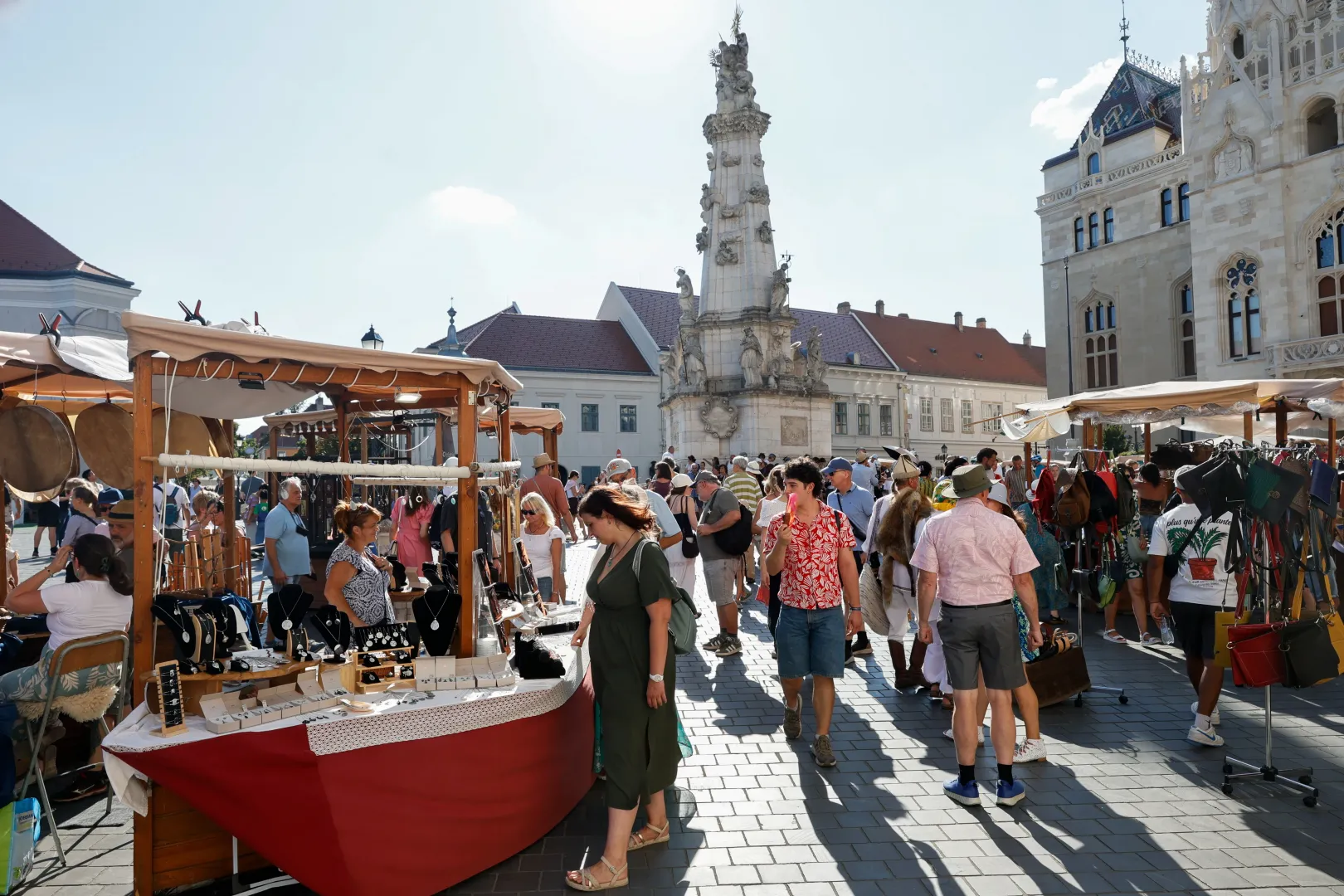
Handicrafts festival at Szentháromság Tér in Buda Castle – Photo: Zoltán Kocsis / MTI
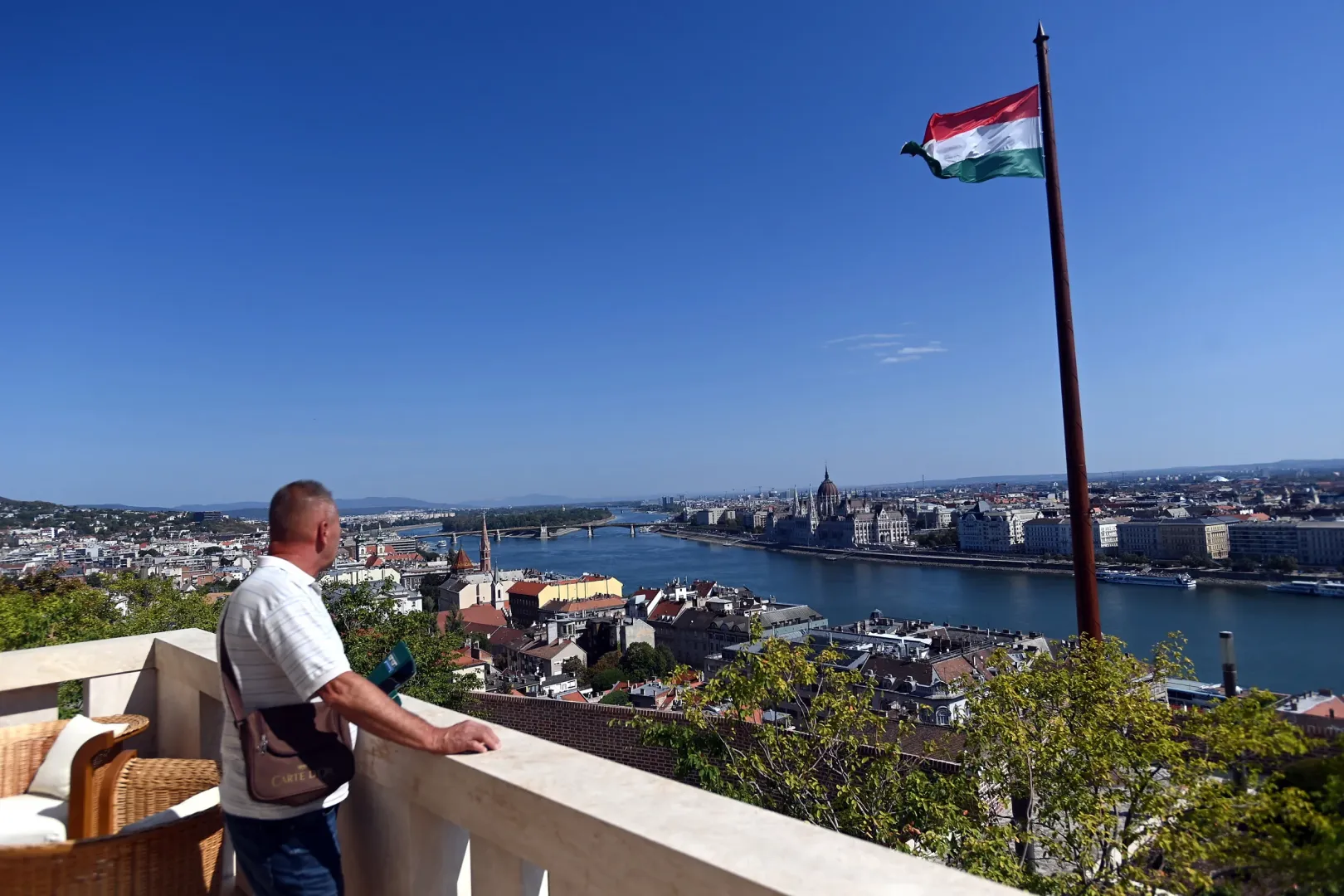
There was an open house at the former Carmelite Monastery, which housed the Prime Minister's offices in recent years. Now, anyone could check out the view from Viktor Orbán’s former office – Photo: Lajos Soós / MTI
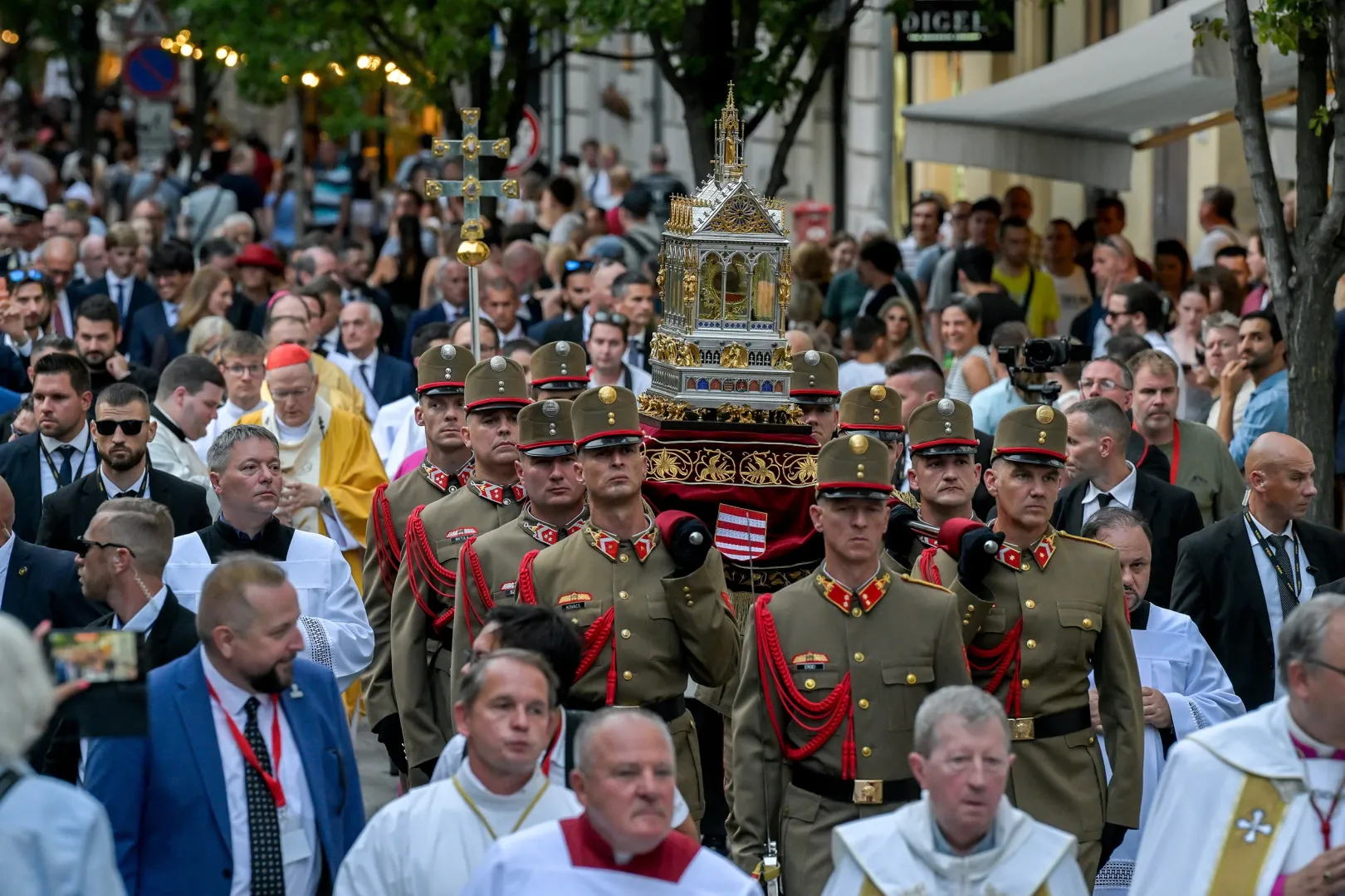
The Holy Right Hand of St Stephen was carried around during the procession held on the anniversary of the founding of the state and in honor of King Saint Stephen on October 6 Street – Photo: Zoltán Máthé / MTI
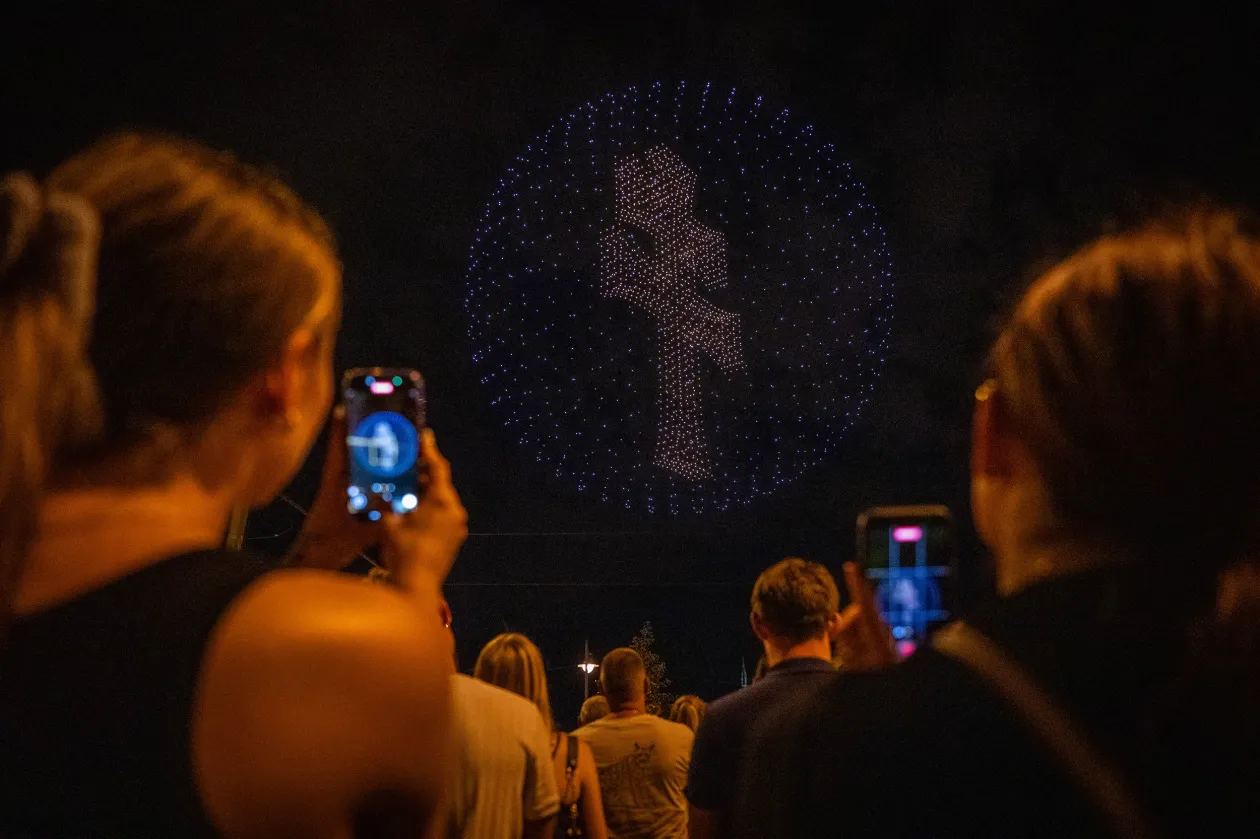
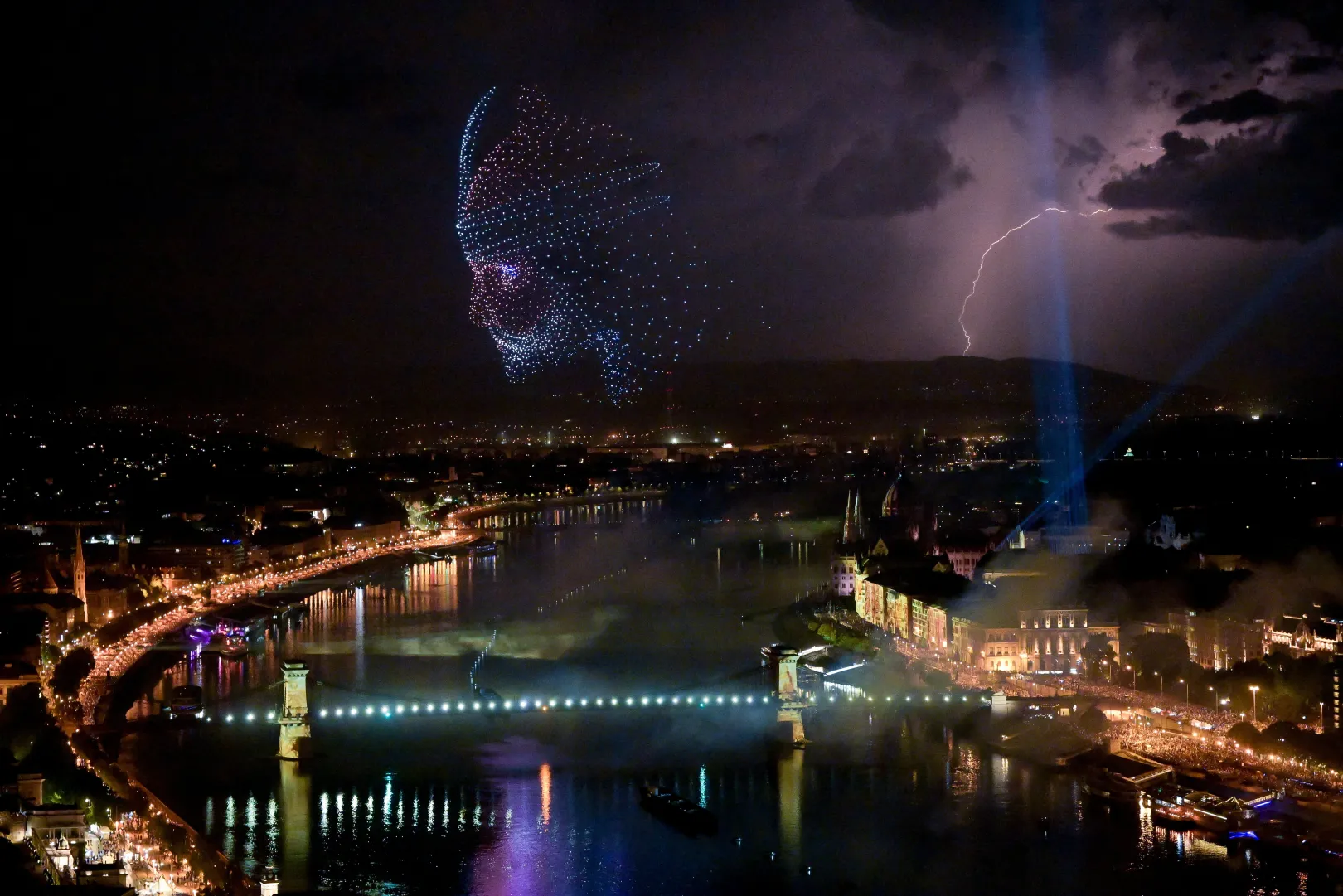
One of the big questions ahead of the festivities was whether the celebratory program and the Budapest fireworks display traditionally closing it out would go off without a hitch. The previous government had contracted Gyula Balásy’s companies -known for providing overpriced services for state events (enriching Balásy overnight)- for putting the event on. After the government change, a new organizer was brought in, who only had a few weeks and a much smaller budget than originally planned for organizing the show. In the end, the result did not disappoint.
Photo: Lujza Hevesi-Szabó, Dániel István Alföldi / Telex
Photo: Zoltán Balogh / MTI
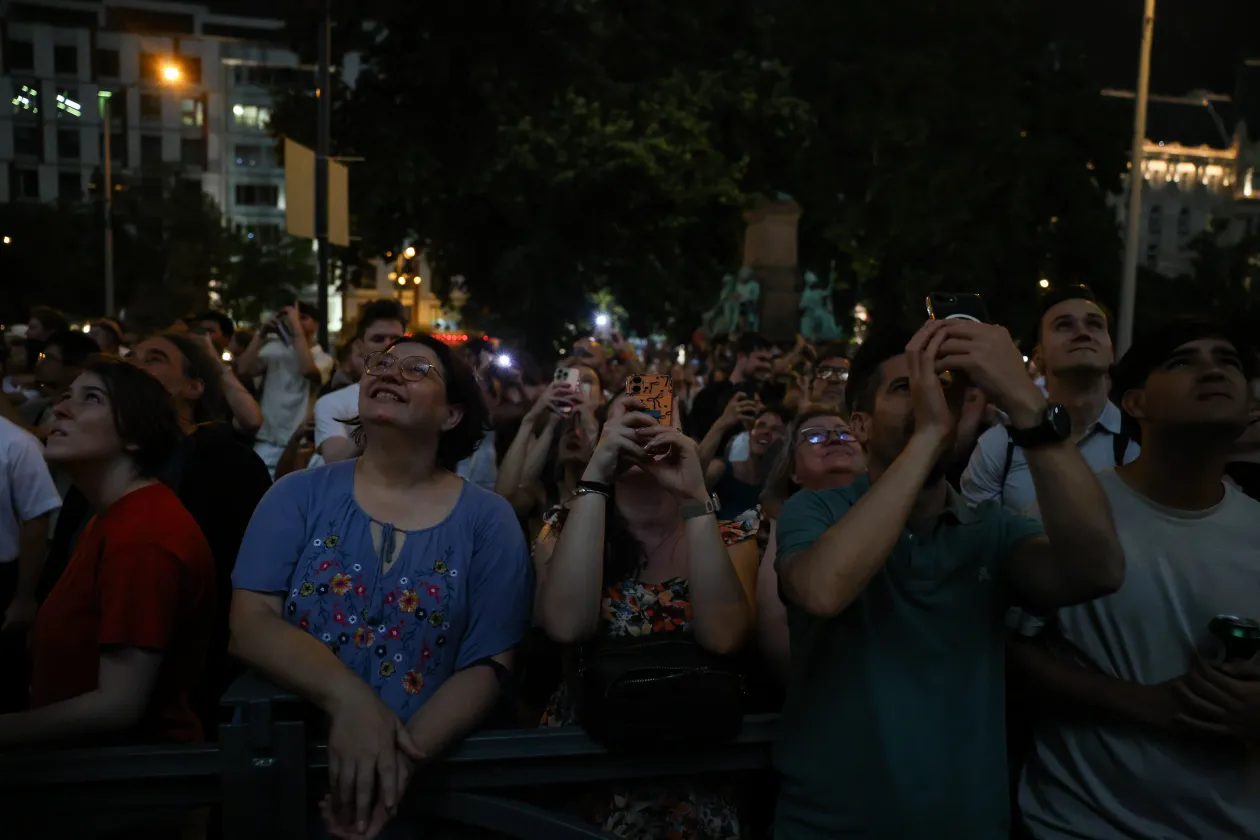
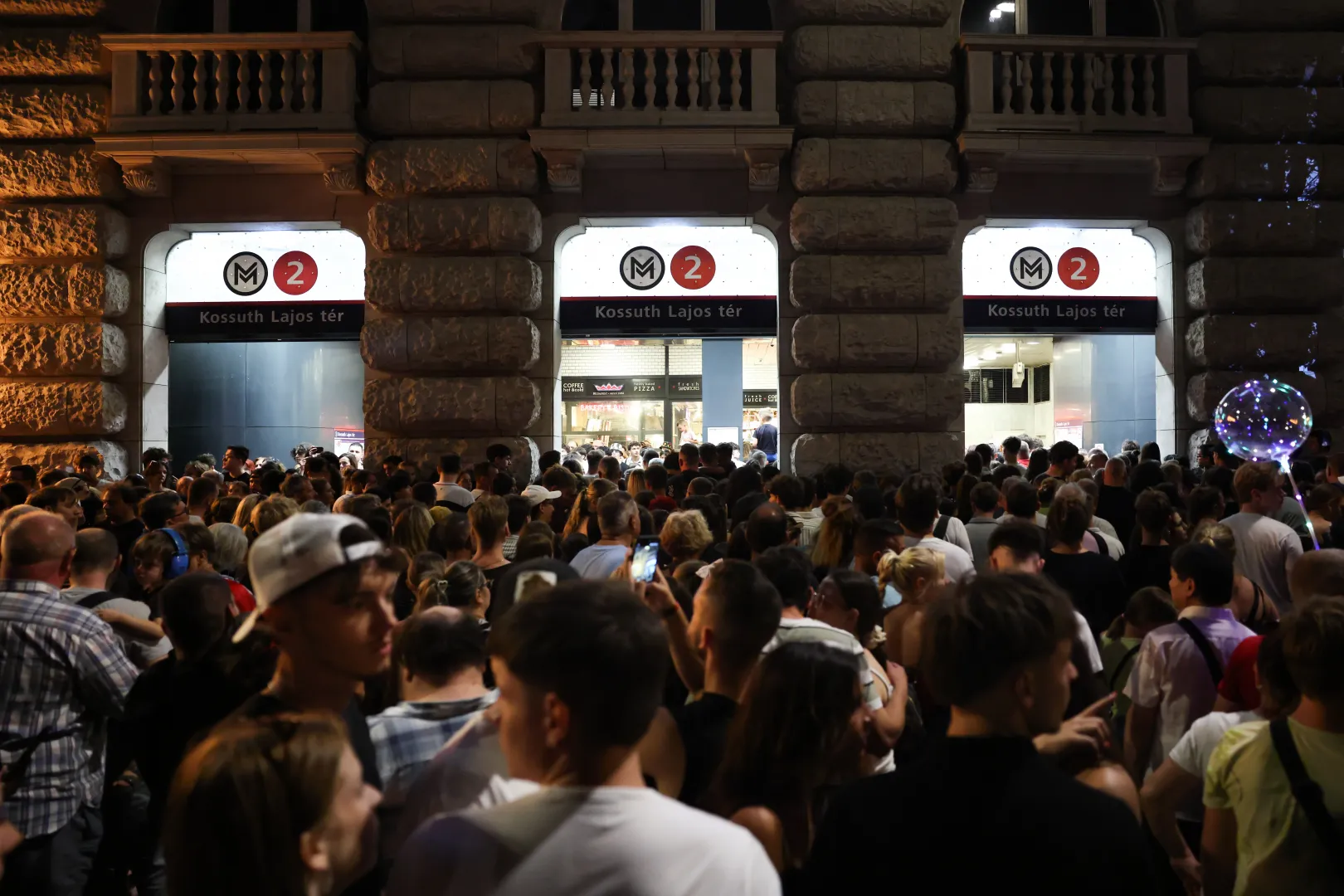
There were three different locations for those looking to party before and after the fireworks in the capital; one of them, Kossuth Square was completely packed—Photo: Lujza Hevesi-Szabó / Telex